The cinematic landscape of contemporary Hollywood is increasingly defined by the systematic mining, sanitization, and corporate restructuring of legacy intellectual property. Serving as a capstone to filmmaker Jane Schoenbrun’s exploration of pop-culture fandom, the fictional film Teenage Sex and Death at Camp Miasma offers a sharp, satirical dissection of this trend. By imagining a multimedia franchise in decline—tracing its roots from a schlocky 1980s summer camp slasher to a corporatized, prestige-adjacent property—Schoenbrun’s work mirrors real-world industry practices. This thematic exploration gains immediate relevance with the release of Peacock’s Friday the 13th prequel series, Crystal Lake, a project that actualizes the exact creative compromises and narrative sanitization that Schoenbrun’s fictional protagonist, Kris, is hired to navigate.
The Mechanics of Slasher Revivals and the Corporate Urge to Sanitize
To understand the tension at the heart of modern horror revivals, one must examine the foundational era of the genre. The late 1970s and early 1980s established a rigid set of tropes for the slasher subgenre, tethering iconic villains to complex, often problematic socio-cultural subtexts. When contemporary studios attempt to resurrect these franchises, filmmakers are tasked with a difficult balancing act: they must honor the nostalgic expectations of legacy fans while simultaneously cleansing the source material of offensive tropes, outdated politics, and accidental bigotry.
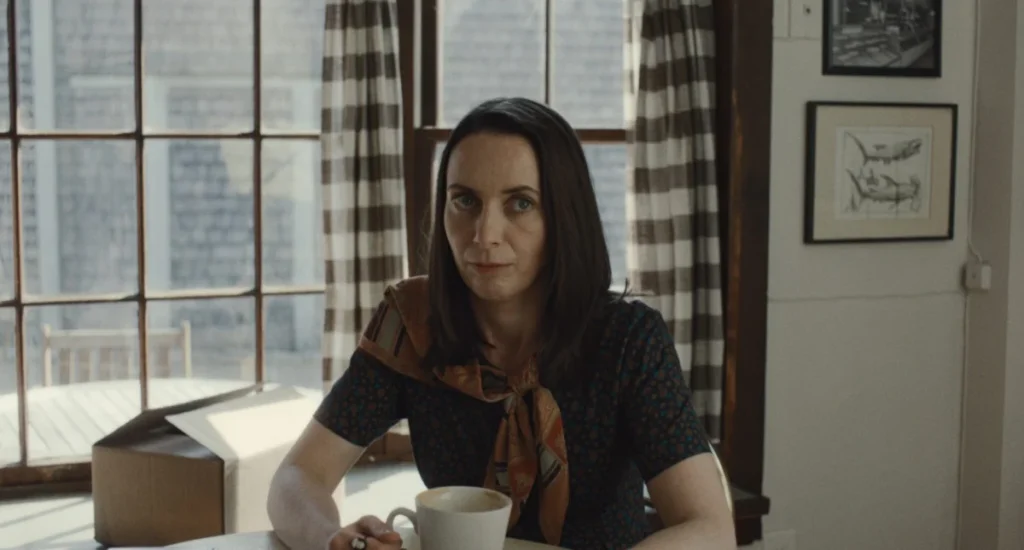
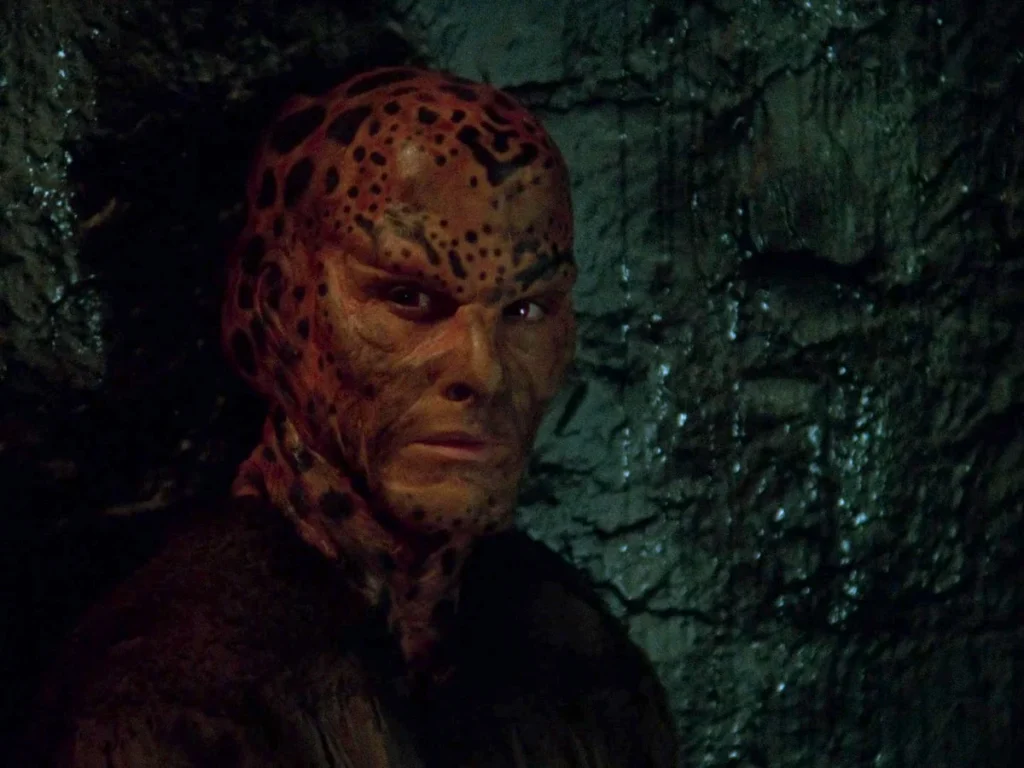
In Teenage Sex and Death at Camp Miasma, this dynamic is manifested through Kris, a queer indie filmmaker recruited by a major Hollywood studio to reboot a stagnant franchise. Kris earned the studio’s attention through a critically acclaimed, albeit pretentious, debut feature that reinterpreted classic psychological horror through a subversive lens. Her mandate for the Camp Miasma reboot is clear: retain the brand recognition and base-level thrills while smoothing over the transphobic origins of the franchise’s original killer, "Little Death," who—much like the twist in the foundational 1980s slasher Sleepaway Camp—harbored a tragic, identity-based origin story that modern audiences would find deeply objectionable.

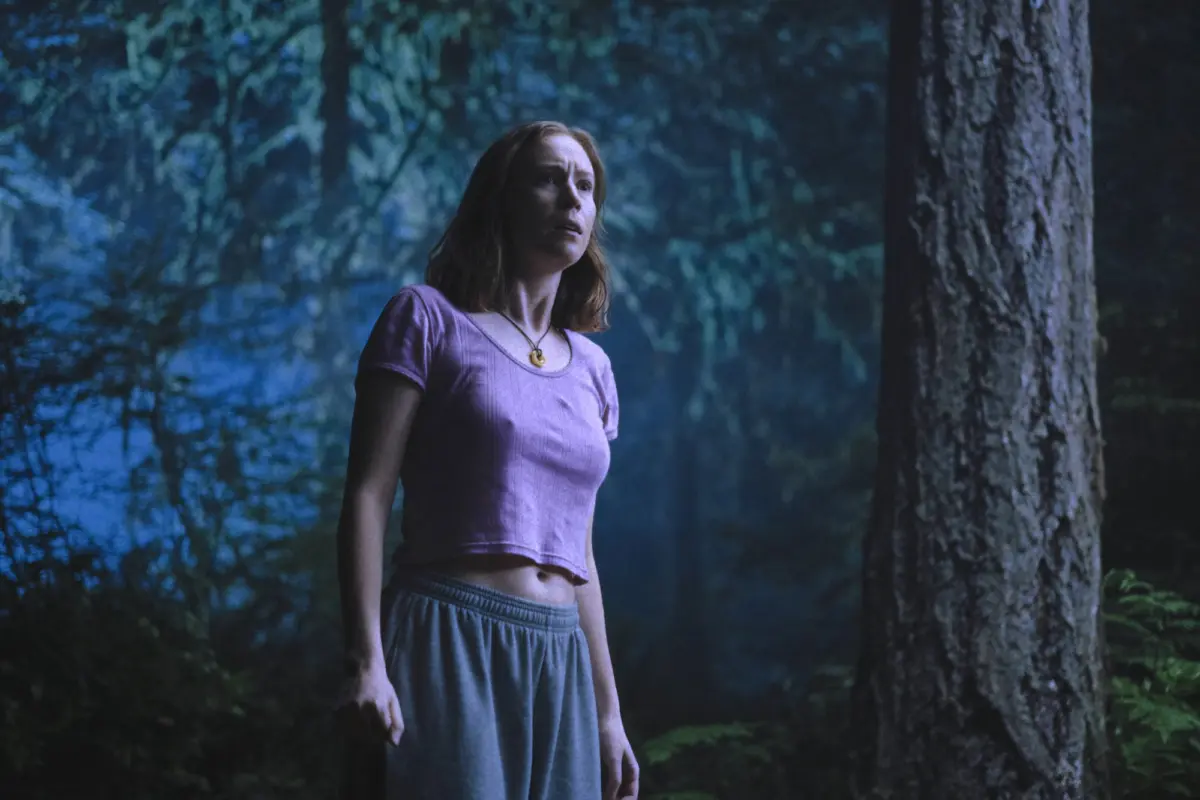
This narrative friction is mirrored precisely in the development of Peacock’s Crystal Lake. Developed as a prequel to Paramount’s seminal Friday the 13th series, showrunner Brad Caleb Kane faced the formidable task of expanding upon the one-note mythology of Pamela Voorhees and her son, Jason. In the original 1980 film, Pamela Voorhees was portrayed as a grieving mother enacting vengeance for the drowning of her son—a characterization that drew heavily on the tropes of "hagsploitation" cinema. Subsequent sequels transformed Jason into a nonverbal, masked juggernaut whose physical deformity served as the shorthand explanation for his unrelenting bloodlust.
Adapting the Jason Voorhees mythology for modern television required confronting the inherent ableist subtext of a character whose villainy is explicitly linked to congenital conditions such as hydrocephalus. Rather than addressing this delicate issue head-on, Crystal Lake adopts a familiar corporate strategy: it elevates the mother to a sympathetic, glamorous antiheroine while leaving the future slasher icon as a blank slate.
The Anatomy of a Prequel: Balancing Nostalgia with Prestige TV
Across its eight-episode structure, Crystal Lake leans heavily into the prestige television playbook, incorporating elements of small-town crime drama, period-accurate 1970s social commentary, and high-concept science fiction. The series explores Pamela Voorhees’s backstory by transporting viewers to the late 1950s, establishing a narrative framework that mirrors the sterile, pastel-hued suburban paranoia of The Stepford Wives.
In this revisionist timeline, Pamela’s tragic trajectory is given a sci-fi justification. Flashbacks reveal that her pregnancy complications led her partner, Elias, to enroll her in a secret clinical trial funded by his employer, a Cold War-era chemical company. The experiments, ostensibly designed to engineer human resilience against nuclear radiation, result in pre-natal trauma that explains Jason’s hydrocephalus and quasi-supernatural endurance. By grounding the supernatural elements of the Friday the 13th franchise in corporate malfeasance and Cold War paranoia, the series attempts to intellectualize a text that was originally driven by pure, exploitation-style mechanics.

This narrative pivot aligns closely with the creative goals criticized in Schoenbrun’s fictional universe. In both instances, corporate stakeholders prioritize a clean, accessible origin story that neatly packages generational trauma into digestible narrative arcs. This approach capitalizes on the industry-wide trend established by recent horror revivals—such as David Gordon Green’s 2018 Halloween trilogy—where marketing campaigns heavily emphasized terms like "trauma" and "PTSD" to grant popcorn slashers a veneer of social relevance.
The Creative Conflict Between Indie Sensibilities and Studio Mandates
Jane Schoenbrun’s own experiences within the studio system provide essential context for the themes present in their trilogy. Following the success of their breakout indie feature We’re All Going to the World’s Fair, Schoenbrun was approached to direct a potential revival of the Leprechaun horror-comedy franchise. Ultimately declining the offer due to creative control limitations, Schoenbrun recognized that working within established intellectual property frameworks often requires compromising the specific, idiosyncratic visions that define independent cinema.
This real-world friction directly informs the arc of Kris in Camp Miasma. Throughout the fictional film, Kris struggles to reconcile her sincere, albeit messy, affection for the original movies with the studio’s demand for a polished, commercially viable product. When she attempts to cast the original film’s reclusive star—an aging, unknown actress reminiscent of the industry’s discarded talent—her studio handlers dismiss the idea, opting instead for marketable youth appeal and safe nostalgia bait.
The structural similarities between Teenage Sex and Death at Camp Miasma and Crystal Lake highlight a broader industry phenomenon: when acclaimed independent and mid-tier directors are hired to helm legacy IP, the resulting product is frequently mediated by committee notes, risk aversion, and brand protection. Whether it is Lee Cronin’s work on Evil Dead Rise or Arkasha Stevenson’s direction on The First Omen, modern studio horror revivals consistently walk a fine line between honoring fan expectations and delivering formulaic satisfaction.

Broader Implications for the Future of Horror Franchises
The convergence of Jane Schoenbrun’s fictional critique and Peacock’s high-profile streaming release underscores a growing self-awareness within the horror community. Audiences and creators alike are increasingly vocal about the industrial mechanisms that govern franchise longevity.
For major studios, the financial incentives of mining familiar IP remain unmatched. Established brands provide built-in audiences, mitigating the financial risks associated with original screenplays. However, as Crystal Lake demonstrates, this approach often flattens the chaotic, transgressive energy that made the original slasher films culturally significant in the first place. By substituting narrative ambiguity with clinical explanations—such as corporate conspiracies and medical experiments—these revivals risk neutralizing the raw, primal appeal of their titular monsters.
Conversely, works like Schoenbrun’s trilogy suggest an alternative artistic path: one that embraces the imperfect, contradictory nature of pop-culture fandom rather than attempting to smooth over its rough edges. As Hollywood continues to adapt foundational horror properties for contemporary streaming platforms and theatrical slates, the tension between corporate sanitization and authentic artistic expression will undoubtedly remain a defining characteristic of the genre.