The Genesis of the Sunday Ticket Dispute
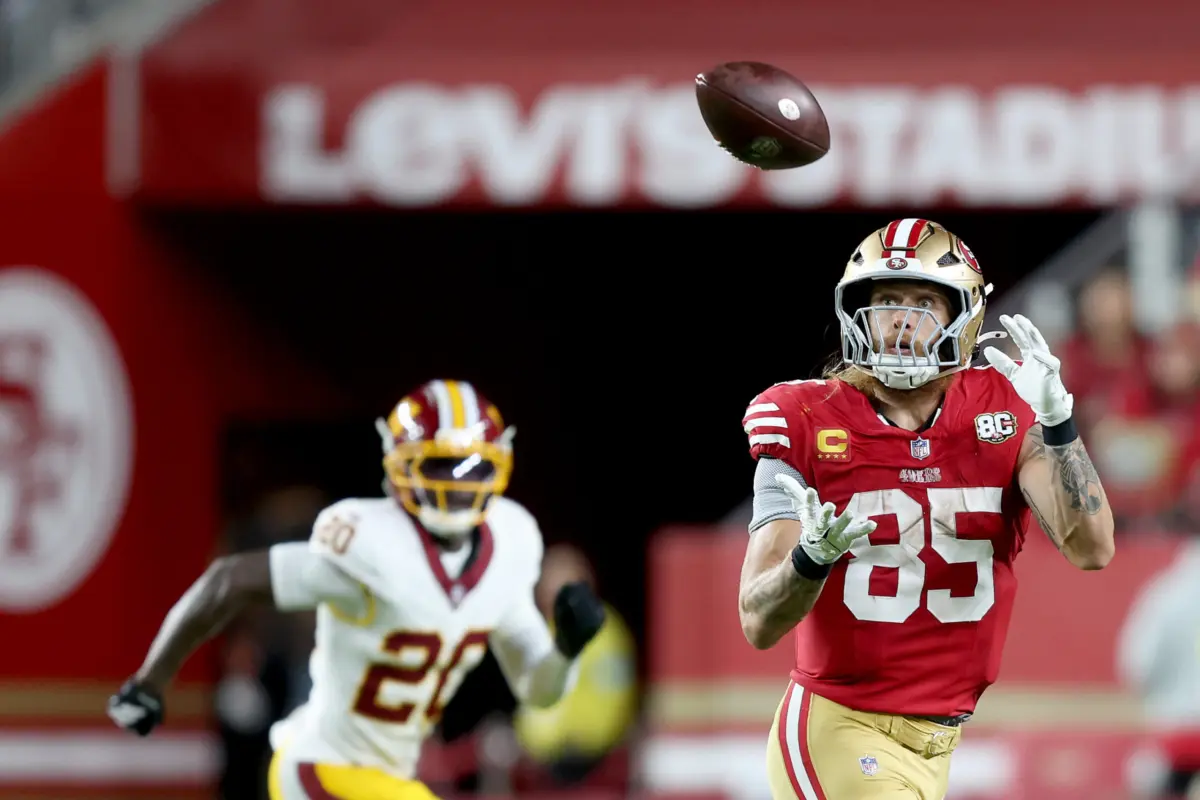
The litigation, which has simmered for years, centers on the NFL’s highly controlled broadcasting ecosystem. For decades, the league has operated under a model that restricts the broadcast of out-of-market games. Consumers who wished to view games featuring teams outside of their local television markets were essentially funneled toward the Sunday Ticket subscription service, historically distributed via satellite provider DirecTV before shifting to YouTube TV.
Plaintiffs in the class action—representing millions of residential subscribers and commercial establishments like bars and restaurants—alleged that the NFL conspired with its member teams to suppress competition. They argued that if the league allowed individual teams or regional networks to sell their own out-of-market broadcasting rights, the resulting competition would have driven prices down and offered viewers greater flexibility. The plaintiffs contended that the NFL’s collective negotiation of broadcast rights, paired with the restrictive nature of Sunday Ticket, constituted a violation of the Sherman Antitrust Act.
Chronology of the Legal Conflict
The trajectory of this case highlights the complexities of modern sports media rights and antitrust law:
- 2015: Initial lawsuits are filed by commercial establishments, later expanded to include residential subscribers, challenging the exclusivity of the NFL’s out-of-market broadcast deals.
- 2023: After years of procedural battles, Judge Philip Gutierrez denies the NFL’s request for summary judgment, clearing the path for a jury trial.
- June 2024: Following a high-profile trial, a jury finds in favor of the plaintiffs, determining that the NFL’s distribution model harmed consumers and awarding $4.7 billion in damages.
- August 2024: Judge Gutierrez overturns the jury’s verdict, ruling that the testimony provided by the plaintiffs’ economic expert, Dr. Daniel Rascher, was based on speculative methodologies that should not have been presented to the jury.
- November 2024: The Ninth Circuit Court of Appeals issues its decision, vacating the judge’s order to throw out the verdict and ruling that the exclusion of the expert testimony was an abuse of discretion.
The Role of Expert Testimony and Judicial Gatekeeping
At the heart of the appeals court’s decision was the debate over the admissibility of economic models. During the trial, Dr. Daniel Rascher utilized a comparative analysis, looking at the broadcast rights structure of college football as a hypothetical benchmark for how an unrestricted NFL market might function. He testified that without the league’s central control over out-of-market rights, individual teams would likely have marketed their own games, leading to a competitive pricing environment.
Judge Gutierrez had dismissed this testimony as too speculative, arguing that the college football market and the professional NFL market are not sufficiently analogous to draw such conclusions. However, the Ninth Circuit panel took a starkly different view. The judges emphasized that the role of a trial judge is not to serve as an arbiter of which economic theory is objectively "correct," but rather to ensure that evidence is relevant and based on sound methodology.
"Opinions are neither unfounded nor unreliable merely because they are impeachable," the panel wrote in its unanimous decision. The court clarified that the responsibility for weighing the credibility of competing economic theories lies with the jury, not the bench. By excluding Dr. Rascher’s testimony, the lower court effectively denied the jury the opportunity to consider the plaintiffs’ primary theory of liability.
Economic Implications and the Damages Dilemma
While the appellate court sided with the plaintiffs on the issue of liability, it did not uphold the $4.7 billion damages award. The panel noted that the jury’s calculation was fundamentally flawed, as it did not properly account for the complexities of the broadcast market or the specific metrics required to isolate the harm caused by the alleged antitrust violations.
For the plaintiffs, the challenge in the upcoming proceedings will be to present a more robust and granular calculation of damages that can withstand judicial scrutiny. For the NFL, the ruling forces a return to the courtroom, where the potential for a massive financial judgment remains a lingering threat. The league has historically faced antitrust scrutiny—most notably in the American Needle case—but this current dispute touches the very core of its multi-billion-dollar media revenue engine.
Official Responses and League Strategy
In the wake of the appellate decision, the NFL issued a statement maintaining its position that its broadcast model remains the most "fan-friendly" in the sports industry. The league pointed to the availability of games on free, over-the-air television within local markets and the broad distribution of high-profile games as evidence of its commitment to accessibility.
A spokesperson for the league indicated that they are currently "considering options for further appellate review," suggesting that the NFL may attempt to challenge the Ninth Circuit’s decision at the Supreme Court level or seek a rehearing en banc.
Conversely, legal analysts following the case suggest that the league’s strategy has long been to rely on the "single-entity" defense—arguing that the NFL acts as a unified business rather than a collection of independent competitors. The appellate court’s ruling suggests that the courts are increasingly skeptical of this defense when it comes to the restriction of consumer choice in the digital age.
Broader Impact on Sports Media Rights
The implications of this ruling extend far beyond the NFL. The sports media landscape is currently undergoing a massive transformation, with traditional cable models being challenged by direct-to-consumer streaming services and fragmented rights deals.
- Increased Scrutiny of Bundling: If the courts eventually solidify a ruling against the NFL’s exclusive arrangements, it could force other major leagues—such as the NBA, MLB, and NHL—to re-evaluate their own out-of-market subscription models.
- Pressure on Rights Agreements: Any shift toward allowing individual teams to sell their own out-of-market rights would fundamentally disrupt the revenue-sharing model that currently keeps the NFL’s competitive balance in check.
- Consumer Empowerment: Should the plaintiffs ultimately prevail in a new trial, the precedent could lead to a wave of litigation across various industries where "exclusive" packages have been the standard for access.
As the case returns to the district court, the focus will shift from the high-level legal arguments to the forensic accounting of the NFL’s media rights value. For now, the NFL faces the prospect of a prolonged legal entanglement that threatens not just its bottom line, but the structural foundations of its multi-decade media strategy. The Ninth Circuit has essentially told the league that it cannot hide behind judicial gatekeeping to avoid the consequences of its market power, leaving the ultimate fate of the Sunday Ticket model to the unpredictable nature of a future jury trial.