Acclaimed American filmmaker Sofia Coppola recently sat down to address a wide-ranging series of inquiries from fans, offering unprecedented insight into her distinct creative process, the challenges of guerrilla filmmaking, and the formative experiences that shaped her iconic filmography. Known for capturing the nuanced internal lives of young women and the isolating architecture of transient spaces, Coppola has cemented her status as a towering figure in contemporary auteur cinema. Her career spans decades of critical acclaim, originating from early ventures on avant-garde sets to helming multi-million-dollar historical dramas and minimalist indie masterpieces.
Main Facts and Creative Influences
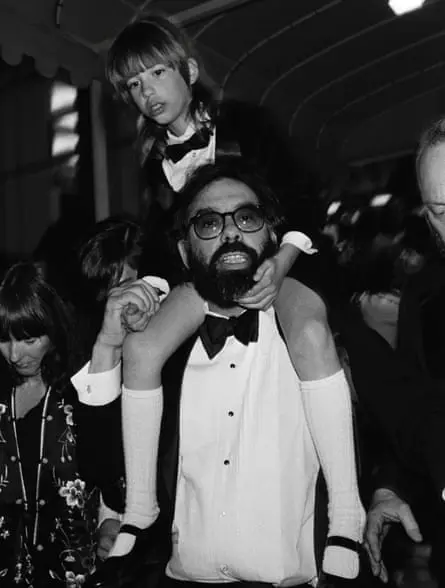
Central to Coppola’s distinct aesthetic is a deeply ingrained appreciation for observational detail, a trait she attributes directly to her mother. While public discourse surrounding the Coppola family often highlights famous male lineage, such as her father, Francis Ford Coppola, the director emphasizes that the women in her family provided a vital foundation for her artistic sensibilities. Her mother’s penchant for noticing the overlooked, eccentric nuances of everyday life directly informed the atmospheric framing found in films like Lost in Translation and The Virgin Suicides.

This commitment to authentic perspective extends to her approach to character study. Coppola’s cinematic worlds frequently focus on the liminal spaces of hotel rooms and foreign cities, functioning as physical manifestations of psychological displacement. When prompted about preserving cherished moments versus erasing painful ones in the face of such profound stillness, Coppola points to a recent anniversary celebration for Marie Antoinette at the Palace of Versailles, where the band New Order performed. For the director, this memory encapsulates artistic fulfillment, while she maintains that even difficult experiences remain integral to personal and creative evolution.
Chronology of Career Milestones
Coppola’s journey within the film industry began long before her feature directorial debut. In 1984, at the age of twelve, she contributed to Tim Burton’s early black-and-white short film Frankenweenie. Working with Burton during his formative post-film school years left a lasting impression, contrasting with the expansive studio sets of her father’s productions. This early exposure fostered a lifelong reverence for practical filmmaking and movie magic, a perspective that has kept her creatively grounded across decades of studio and independent projects.
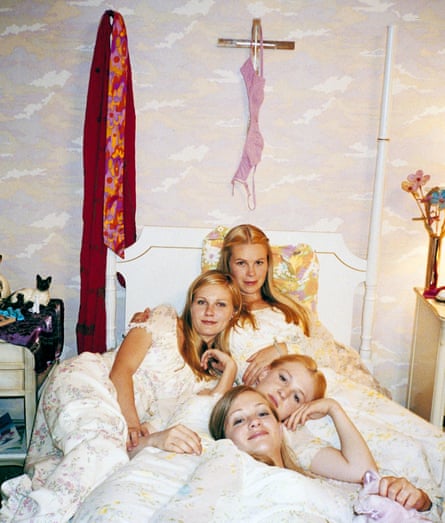
In 1999, Coppola made her feature-length directorial debut with The Virgin Suicides, adapted from Jeffrey Eugenides’ novel. The production relied heavily on immersive rehearsal techniques, including shared domestic activities like cooking, which successfully cultivated a genuine, complex dynamic among the ensemble cast of young actors.
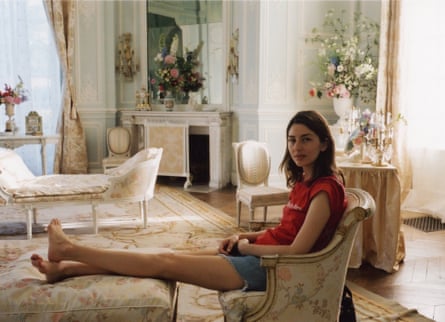
Following this critical breakthrough, Coppola achieved global recognition with 2003’s Lost in Translation, starring Scarlett Johansson and Bill Murray. The film, shot on a modest budget, captured the alienating grandeur of Tokyo while introducing innovative production methods. Her subsequent 2006 historical drama, Marie Antoinette, pushed narrative boundaries further by juxtaposing 18th-century opulence with a post-punk and new romantic soundtrack featuring artists like Bow Wow Wow and Adam Ant. Though initially polarizing to traditionalists, the audacious pairing aimed to humanize historical figures by acknowledging their genuine youth—Marie Antoinette was only fourteen upon arriving at Versailles.
Guerrilla Filmmaking and Production Logistics
The production of Lost in Translation remains a notable case study in independent filmmaking resourcefulness. Operating under tight budget constraints and limited shooting schedules in Tokyo, Coppola and her crew frequently relied on guerrilla filmmaking techniques. While the majority of the production secured appropriate permissions, pivotal sequences—such as Johansson navigating crowded subway systems and the sweeping overhead shots captured from a Shibuya Starbucks—were executed without prior official authorization.
The strategy carried substantial legal and operational risks, including potential deportation or confiscation of equipment. However, these calculated gambles enabled Coppola to capture genuine urban spontaneity, avoiding the sanitized aesthetic common to tourist-heavy cinematic depictions. The resulting visual authenticity became a cornerstone of the film’s enduring cultural resonance.
Beyond feature films, Coppola’s commercial and music video work has achieved similar acclaim. Her 2003 music video for the White Stripes’ cover of I Just Don’t Know What to Do With Myself, featuring supermodel Kate Moss in a minimalist pole-dancing sequence, was subsequently lauded by cultural critics as one of the most striking visual collaborations of the era. The concept materialized through spontaneous creative alignment between the director, the band, and Moss, bypassing conventional industry hurdles.
Archival Insights and Production Documentation
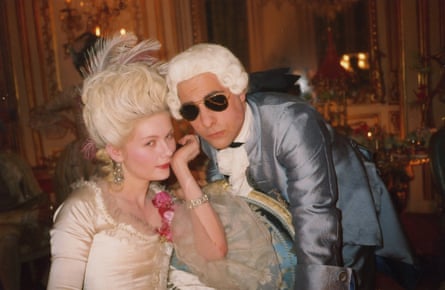
A unique dimension of Coppola’s cinematic output involves the extensive documentation gathered during her projects. During the arduous shoot of Marie Antoinette, Coppola’s mother captured over eighty hours of behind-the-scenes footage. Initially viewed simply as a grounding familial presence amidst the high-pressure environment of a major historical production, her mother cataloged intricate details regarding period-accurate costume design, culinary preparation, and floral arrangements.
Years later, the rediscovery of this vast archival material provided Coppola with a rare, candid home-movie perspective on a landmark project in her filmography. The footage highlights the collaborative, highly detail-oriented environment that characterized the set, contrasting the polished final product with the meticulous, behind-the-scenes reality of period filmmaking.
Cultural Implications and Legacy
As contemporary audiences continue to re-evaluate cinema through intersectional and aesthetic lenses, Coppola’s body of work has experienced a significant resurgence in digital spaces. Often cited as a defining influence for modern digital creators and online film communities, her filmography is frequently examined for its distinct visual exploration of female adolescence, melancholy, and alienation.
While acknowledging that she remains largely unfamiliar with contemporary internet subcultures, Coppola has expressed appreciation for the enduring cross-generational appeal of her work. Decades after their initial releases, films like The Virgin Suicides and Lost in Translation continue to inform contemporary conversations surrounding authorship, visual style, and the representation of internal emotional landscapes in cinema.
Regarding lingering mysteries from her filmography—most notably the whispered parting words exchanged between Bob and Charlotte in the closing moments of Lost in Translation—Coppola maintains the collaborative stance established by her cast. Aligning with Bill Murray’s philosophy, the director affirms that the ambiguity remains an intimate secret strictly belonging to the characters, resisting any impulse to demystify the narrative conclusion for public consumption.