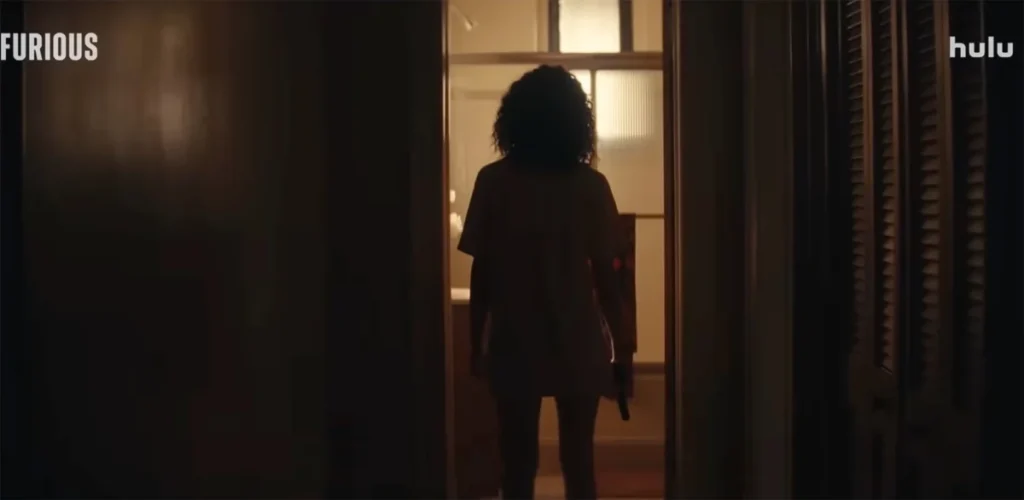
The cinematic landscape is once again bracing for the distinctive creative vision of acclaimed Spanish auteur Pedro Almodóvar. Sony Pictures Classics has officially released the final United States trailer for Bitter Christmas, translated from its original Spanish title, Amarga Navidad. The release of the promotional footage sets the stage for the film’s upcoming American theatrical rollout in November 2026, bringing one of Europe’s most anticipated and polarizing recent art-house releases to North American audiences.
The film, which marks yet another ambitious entry in Almodóvar’s illustrious career, explores complex themes of grief, professional burnout, and the porous boundaries between lived reality and artistic creation. Boasting a star-studded ensemble cast typical of the director’s productions, Bitter Christmas blends psychological drama with a self-reflective meta-narrative, offering a deeply personal window into the creative processes that govern storytelling.
Plot Summary and Narrative Structure
At the narrative center of Bitter Christmas is Elsa, portrayed by acclaimed Spanish actress Bárbara Lennie. Elsa works as a high-powered advertising director whose life is upended by the sudden death of her mother during the bleak days of December. Refusing to process her grief through traditional emotional avenues, Elsa retreats into her profession, throwing herself headfirst into a relentless schedule as a psychological defense mechanism against her loss.

Her meticulously constructed coping mechanism shatters when she experiences a severe panic attack, a physical and psychological manifestation of her unaddressed trauma that forces her to abruptly halt her professional obligations. Seeking distance from her reality, Elsa travels to the scenic island of Lanzarote accompanied by her friend Patricia, while her romantic partner, Bonifacio—played by Leonardo Sbaraglia—remains behind in Madrid.
Adding a layer of narrative complexity, the film employs a meta-fictional framing device set in the present day. A filmmaker, attempting to process and document Elsa’s tumultuous period, transforms her harrowing story into a cinematic script. This creative endeavor begins to blur the lines between objective reality, fictional embellishment, and the complex interpersonal dynamics of the individuals closest to the director. The result is a labyrinthine exploration of how art imitates life, and how creators appropriate the suffering of others—and themselves—to produce works of fiction.
The Cast and Production Pedigree
True to form, Pedro Almodóvar has assembled an impressive roster of prominent Iberian acting talent for Bitter Christmas. Alongside Bárbara Lennie and Leonardo Sbaraglia, the film features performances from Aitana Sánchez-Gijón, Victoria Luengo—who is also featured prominently in the 2026 release The Beloved alongside Javier Bardem—Patrick Criado, Milena Smit, Quim Gutiérrez, and frequent Almodóvar collaborators Rossy de Palma, Carmen Machi, and Gloria Muñoz.
Behind the camera, the film is produced by Agustín Almodóvar, the director’s longtime brother and creative partner, under their banner El Deseo. The production reflects the trademark visual and atmospheric styling associated with the Almodóvar brand, characterized by rich color palettes, emotionally charged interiors, and stark juxtapositions between urban confinement and sun-drenched natural landscapes, such as the volcanic terrain of Lanzarote.

Chronology and Festival Circuit Reception
The trajectory of Bitter Christmas from conception to its impending American release has been a topic of significant discussion within European film circles. The production began generating industry buzz as Almodóvar transitioned away from his recent English-language ventures, including his acclaimed short film Strange Way of Life and his English-language feature debut, The Room Next Door, starring Tilda Swinton and Julianne Moore.
The film’s international rollout commenced in March 2026, when Warner Bros. distributed Amarga Navidad to cinemas across Spain. Following its domestic run, the film secured a high-profile spot in the selection of the 2026 Cannes Film Festival, where it competed among the year’s premier cinematic offerings.
However, the critical reception both in Spain and along the French Riviera has been notably divided. Unlike the near-universal acclaim that greeted earlier masterpieces like All About My Mother and Volver, or the introspective praise for Pain & Glory, Bitter Christmas was met with mixed reviews from critics. While performances, particularly that of Bárbara Lennie, received widespread commendation, some reviewers expressed reservations regarding the film’s self-indulgent meta-narrative structure and its dense, sometimes confounding tonal shifts. Despite the polarized critical climate, the film has maintained a high profile, driven primarily by the enduring global prestige of its director.
Broader Implications for Almodóvar’s Filmography

The release of Bitter Christmas arrives at a fascinating juncture in Pedro Almodóvar’s storied career. Spanning over four decades, his filmography has consistently evolved, shifting from the audacious, postmodern counter-cultural comedies of La Movida Madrileña in the 1980s—such as Dark Habits and Matador—to the deeply resonant melodramas of his middle period, and finally toward the contemplative, aging-artist reflections of his recent works.
By engaging in a meta-fictional exercise about a filmmaker writing a script based on real-life trauma, Bitter Christmas invites comparisons to Pain & Glory, in which Antonio Banderas famously portrayed a filmmaker grappling with physical decline and memories of the past. Yet, where Pain & Glory offered a tender, elegiac reconciliation with history, Bitter Christmas appears structurally riskier, operating as an analytical deconstruction of the writing process itself. The dialogue from the newly released trailer—“I cannot concentrate. I can only write what’s in front of me”—serves as a thematic thesis statement for a director who has frequently used his art to interrogate his own compulsions as a storyteller.
For Sony Pictures Classics, which has shepherded numerous Almodóvar titles to American audiences over the decades, Bitter Christmas represents a prestige acquisition aimed squarely at specialty box offices, art-house cinephiles, and awards-season discussions. While the mixed European reception may temper mainstream commercial expectations, the dedicated fan base that follows the director’s output ensures strong interest in major metropolitan markets.
As the film prepares for its official United States release on November 13, 2026, audiences and critics alike will have the opportunity to evaluate whether Almodóvar’s latest cinematic puzzle box stands alongside his finest achievements or remains a fascinating, albeit flawed, experiment in self-reflexive storytelling.