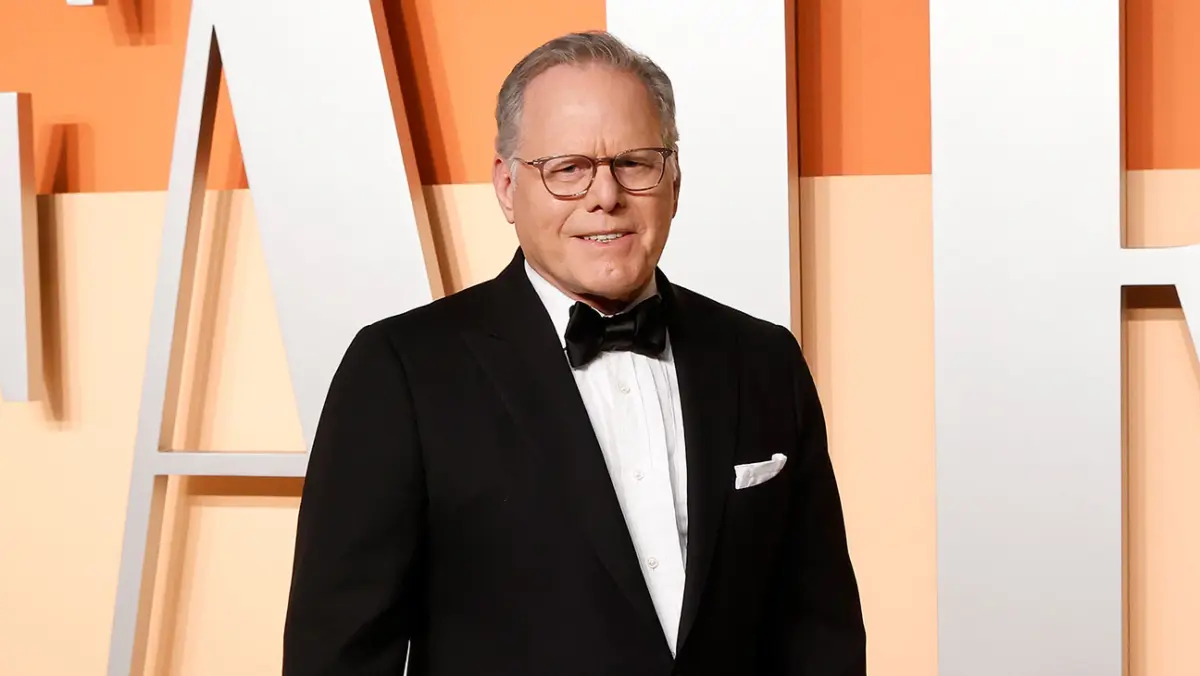
The corporate landscape of the global media industry underwent a seismic shift on Tuesday, October 6, as the $111 billion acquisition of Warner Bros. Discovery (WBD) by Paramount—under the strategic stewardship of Skydance—officially reached completion. In the wake of this historic consolidation, regulatory filings have illuminated the substantial financial gains realized by the outgoing executive leadership. Former Warner Bros. Discovery CEO David Zaslav has emerged as a primary beneficiary of the transaction, securing a payout exceeding $600 million.
The disclosure, formalized in a Form 4 filing submitted to the Securities and Exchange Commission (SEC) on Thursday, provides a granular breakdown of the equity and options liquidation that occurred as part of the merger agreement. Under the terms of the deal, shareholders received $31 per share, supplemented by a “ticking fee” designed to compensate for the duration of the acquisition process. For Zaslav, the culmination of his tenure at WBD has resulted in a transition package that ranks among the most significant individual payouts in recent media history.
Financial Breakdown of the Transaction
The SEC documentation confirms that Zaslav’s total windfall is comprised of two distinct primary components. First, the direct sale of his equity holdings in Warner Bros. Discovery resulted in a cash infusion of approximately $224 million. Second, the exercise of in-the-money stock options—a standard component of executive compensation packages—yielded an additional $381 million.
This combined $605 million figure represents the core of his departure compensation, yet it is not exhaustive. Industry analysts have noted that the total value of his severance package remains fluid, as it incorporates various deferred benefits. Among these is a highly scrutinized tax reimbursement provision, a contractual perk that has drawn attention from corporate governance experts. Furthermore, the severance agreement includes provisions for ongoing health insurance coverage and a specified cash component, the precise details of which remain subject to the confidentiality clauses of his executive contract.
Chronology of the Acquisition
The path to this multibillion-dollar consolidation was characterized by months of intense negotiation and regulatory scrutiny. The narrative began in earnest when Skydance, backed by the Ellison family’s financial resources, initiated its pursuit of Paramount, ultimately leading to the absorption of WBD assets to create a media conglomerate of unprecedented scale.
- Initial Discussions (Q1 2024): Preliminary reports emerged regarding Skydance’s interest in integrating WBD’s expansive library and distribution infrastructure.
- Definitive Agreement (Mid-2024): Following weeks of due diligence, both parties signed the merger agreement, setting the $31-per-share valuation.
- Regulatory Review: The deal faced intense oversight from the Federal Trade Commission (FTC) and international competition regulators, focusing on the potential for market monopolization in the streaming and theatrical exhibition sectors.
- Closing Date (October 6, 2024): The merger officially closed, triggering the immediate payout to executives and shareholders.
Executive Payouts and Employee Equity
While the focus has centered on David Zaslav, the scope of the payout extends deep into the upper echelons of the former WBD hierarchy. SEC filings released post-closing indicate that several other high-ranking executives received compensation packages reaching into the nine-figure range. This distribution of wealth highlights the concentration of equity-based compensation common in large-cap media entities.
However, advocates for corporate transparency point to Zaslav’s stated priority during his tenure: the expansion of equity participation among the broader workforce. According to internal reports from his time at the helm, the number of employees holding equity stakes in the company more than doubled. Zaslav frequently argued that aligning the interests of the staff with the performance of the stock would foster a more cohesive corporate culture. Consequently, while the C-suite payouts dominate headlines, a significant portion of the merger’s total liquidity has flowed to mid-level management and long-term employees who participated in the company’s equity incentive plans.
The New Corporate Order: Personnel Shifts
The completion of the merger marks the end of Warner Bros. Discovery as a standalone entity, signaling a period of significant personnel restructuring. The integration into the Skydance ecosystem has necessitated a clear divide between those moving into the new organizational structure and those departing.
Key deputies who were central to the WBD strategy, including Casey Bloys, JB Perrette, and Channing Dungey, have been confirmed to transition into roles within the new company. Their inclusion is widely viewed as a strategic move to maintain continuity in content production and international operations. Conversely, other members of the executive team, including Gunnar Weidenfels, Mike De Luca, and Pamela Abdy, have confirmed their exits. These departures are expected to coincide with a broader streamlining of operations as the new entity seeks to achieve the cost synergies promised to investors during the merger announcement.
Implications for the Media Sector
The $111 billion merger stands as a testament to the ongoing consolidation trend within the entertainment industry. As traditional media companies struggle to compete with technology giants in the streaming space, the necessity for scale has become the dominant driver of corporate strategy.
For the industry, the implications of this deal are twofold. First, it establishes a new benchmark for executive compensation in the event of a merger. The scrutiny surrounding Zaslav’s “unusual” perks may lead to future shareholder activism regarding how severance agreements are structured. Second, the move signals an aggressive attempt to secure intellectual property rights and distribution channels in an increasingly fragmented digital market.
Financial analysts remain divided on the long-term prospects of the new entity. Some suggest that the combined scale will allow for greater leverage in negotiating carriage agreements and ad-tech partnerships. Others, however, warn that the sheer size of the debt obligations assumed during the acquisition—combined with the volatility of the linear television market—will require the new leadership team to exercise extreme fiscal discipline.
Governance and Future Scrutiny
The scale of these payouts, while contractually mandated, is likely to reignite debates regarding executive pay parity. During periods of significant corporate transition, where thousands of employees may face redundancy as part of restructuring efforts, the optics of massive severance packages often draw fire from labor unions and institutional investors alike.
The Securities and Exchange Commission is expected to continue its trend of increased transparency requirements for executive compensation. As the dust settles on the WBD-Paramount merger, the public disclosure of these figures serves as a critical data point for the ongoing discourse on executive incentive structures.
As of October 2024, the focus for the market will shift from the payout phase to the operational integration phase. With the executive exits finalized and the equity distributed, the responsibility now falls to the incoming Skydance management team to justify the high cost of acquisition. Whether the consolidation of these media assets will result in a more efficient, profitable, and sustainable entity remains the central question for the industry in the coming fiscal quarters. The departure of David Zaslav marks the definitive end of an era for Warner Bros. Discovery, closing a chapter that has been as financially lucrative for its leadership as it has been transformative for the broader global media landscape.