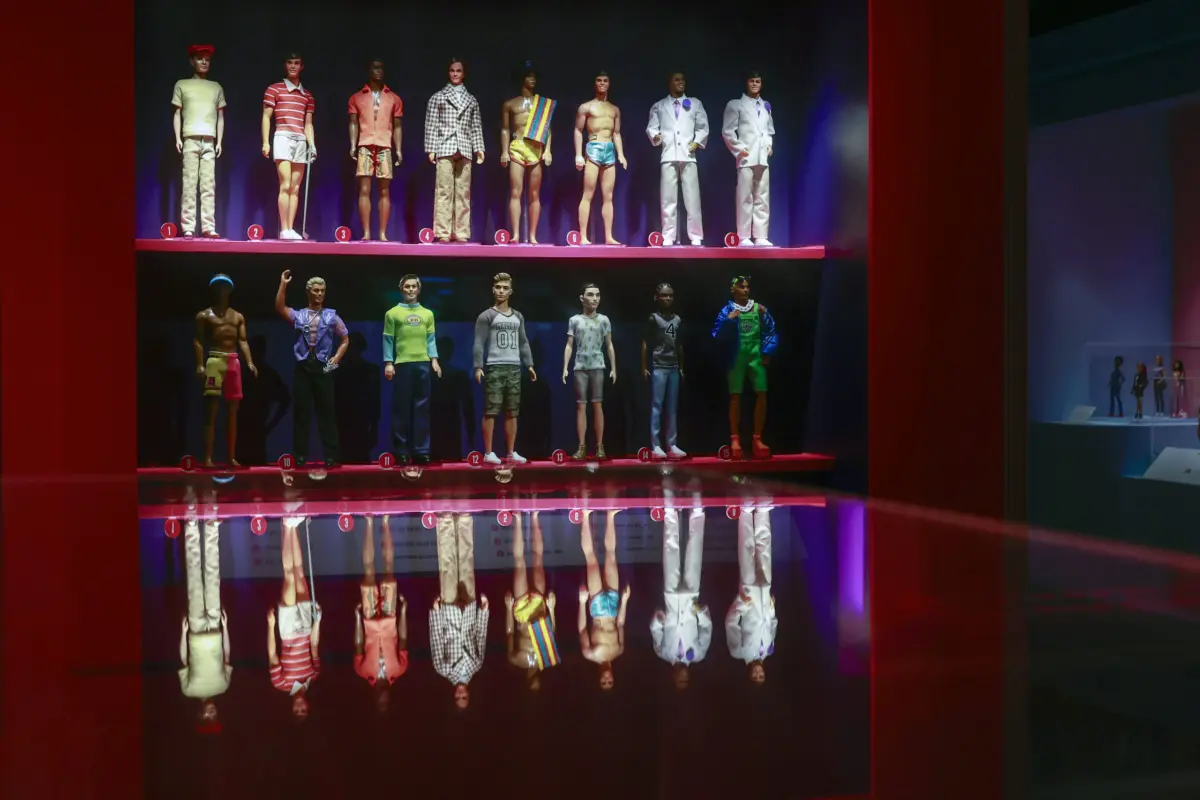
Mattel has officially appointed Catherine Wood, a high-ranking executive formerly of Warner Bros. Discovery, to serve as the company’s new General Manager and global head of dolls. This strategic hire places Wood in charge of overseeing the long-term vision, global strategy, and commercial operations for some of the toy industry’s most recognizable intellectual properties, including Barbie, American Girl, Monster High, and Polly Pocket. The move marks a significant pivot for the El Segundo-based toy giant, which is increasingly looking to synthesize traditional toy manufacturing with the high-level franchise management techniques common in the entertainment and film industries.
Wood’s transition from Warner Bros. Discovery—the very studio that partnered with Mattel to produce the record-breaking 2023 Barbie feature film—signifies a deeper integration between Hollywood storytelling and physical retail products. In her previous capacity, Wood was instrumental in orchestrating global franchise strategies for massive entertainment pillars, including the Harry Potter Wizarding World, Game of Thrones, and The Lord of the Rings. By bringing this level of expertise in-house, Mattel is signaling a shift toward treating its doll portfolio less as individual product lines and more as expansive, cross-media entertainment franchises.
A Chronology of Strategic Realignment
The appointment of Catherine Wood follows a period of intense organizational flux for both Mattel and its strategic partners in the entertainment sector. Since the resurgence of the Barbie brand, which culminated in a global box office gross exceeding $1.4 billion for the 2023 film, Mattel has faced the challenge of maintaining that cultural momentum.
In early 2024, Mattel began evaluating its internal structure to better leverage the "halo effect" created by its cinematic successes. The hiring of Wood is the culmination of a months-long search for a leader who understands both the granular nature of toy design and the macro-level requirements of global intellectual property management.
Concurrently, the broader media landscape has seen significant shifts involving key stakeholders. Notably, Ynon Kreiz, who served as a transformative CEO for Mattel, recently transitioned into a new leadership role as co-CEO of Skydance. This coincidence of executive movement highlights the tightening nexus between major media production houses and the consumer product companies that sustain them.
Leveraging Franchise Management for Physical Play
Wood’s mandate at Mattel is multifaceted. She is tasked with sharpening the executive strategy for the company’s entire doll portfolio, working across various internal divisions including Mattel Studios, product design, marketing, and commercial retail operations. The objective is to ensure that the heritage of brands like American Girl—which relies heavily on narrative-driven history—is preserved while simultaneously innovating for a younger generation that consumes media in non-linear, digital-first formats.
Industry analysts suggest that Wood’s background in "franchise perspective" is the key to this transition. Unlike traditional toy development, where products are often designed to meet seasonal retail cycles, franchise management focuses on the long-term lifecycle of a character or story world. This involves coordinating the release of content—such as digital series, films, or interactive games—with the release of physical goods to ensure a cohesive experience for the consumer.
Data-Driven Growth and Market Positioning
Mattel’s doll segment remains a cornerstone of the company’s financial performance. According to recent fiscal disclosures, the doll category consistently represents a significant portion of Mattel’s gross billings. During the post-pandemic recovery, the segment saw robust growth, driven largely by the "Barbie effect," but also by the successful relaunch of Monster High, which capitalized on the growing trend of Gen Z nostalgia.
However, the company faces stiff competition. Hasbro, MGA Entertainment, and various private-label competitors have intensified their efforts to capture market share in the fashion doll category. Data from market research firms, such as Circana (formerly NPD Group), indicate that while the global toy market has faced headwinds due to inflationary pressures and fluctuating consumer spending, high-value, story-driven brands remain resilient. Wood will need to navigate these macroeconomic pressures by optimizing supply chain efficiencies and enhancing the digital footprint of the doll portfolio.
Official Statements and Internal Vision
In a formal announcement, Wood emphasized the symbiotic relationship between storytelling and physical play. "Dolls have a unique ability to bring brands and stories to life through play, imagination, and self-expression," Wood stated. "What drew me to Mattel is the opportunity to bring a franchise perspective to an extraordinary portfolio of brands, each with its own heritage, audience, and potential."
This sentiment reflects the evolving mandate of toy companies in the 21st century. The focus is no longer merely on unit volume, but on "fan engagement." By building on the distinctive attributes of brands like Polly Pocket—which has seen a resurgence in popularity among collectors—Wood aims to create new avenues for growth that transcend traditional retail channels.
Internal sources at Mattel have expressed optimism regarding the hire, noting that Wood’s experience with Warner Bros. Discovery provides her with a "insider’s view" of how studios approach brand licensing and expansion. Her ability to navigate the complex ecosystem of entertainment partners will likely be tested as Mattel continues to develop its pipeline of film and television projects based on its toy brands.
Implications for the Toy Industry
The appointment of an entertainment-sector executive to a high-level product leadership role serves as a bellwether for the toy industry at large. Historically, toy companies were led by individuals with backgrounds in retail, logistics, or manufacturing. Today, the "toy" is often the final piece of a much larger intellectual property puzzle.
- Integrated Content Pipelines: Wood’s arrival suggests that Mattel will likely prioritize projects that allow for "total integration"—where the product design team is involved in the earliest stages of script development to ensure that physical play patterns are baked into the narrative.
- Global Strategy vs. Local Adaptation: With her experience managing international properties like Harry Potter, Wood is expected to push for more tailored regional strategies. While a brand like Barbie is global, the way it is consumed in Asian, European, and North American markets differs significantly, requiring a more nuanced approach to marketing and product customization.
- Talent Acquisition Trends: This move is expected to trigger a broader trend of cross-pollination between Hollywood and the toy industry. As toy companies seek to become "entertainment-first" entities, they will likely continue to recruit from major media conglomerates, potentially creating a talent war for executives who can bridge the gap between creative storytelling and consumer goods.
The Road Ahead
As Wood settles into her new office at Mattel’s headquarters, the immediate focus will be on the 2025 product roadmap. With the holiday season representing the most critical window for the toy industry, her ability to align marketing campaigns with product availability will be closely watched by investors and analysts alike.
The integration of her expertise into the existing Mattel infrastructure is expected to be a gradual process. However, the move represents a clear commitment from Mattel leadership to double down on the strategy that saved the Barbie brand: treating every toy as an essential part of a broader, character-driven universe.
By prioritizing the "franchise" over the "commodity," Mattel is positioning itself to withstand the cyclical nature of the retail market. As the lines between media consumption and physical play continue to blur, Wood’s leadership will likely define the next chapter of Mattel’s evolution. Whether she can successfully replicate the scale of the Wizarding World or the cultural reach of Game of Thrones within the doll aisle remains to be seen, but her appointment is, at minimum, a testament to the fact that the toy business is no longer just about toys—it is about the power of the brand itself.