The landscape of global entertainment and technology is currently navigating a period of profound transition, characterized by a fundamental shift in how cultural cachet—often referred to as "cool"—is cultivated and maintained. This evolution is most visible in the recent strategic decisions made by legacy filmmakers and modern independent studios, who are increasingly aligning themselves with artificial intelligence (AI) initiatives. From Martin Scorsese’s endorsement of AI storyboarding tools to A24’s multimillion-dollar partnership with Google DeepMind, the intersection of creative prestige and algorithmic technology has become a focal point for industry analysis and public discourse. This report examines the erosion of brand equity in the age of AI, the historical context of tech-driven cultural influence, and the broader implications for the future of creative industries.
The A24 and Google DeepMind Partnership: A Strategic Inflection Point
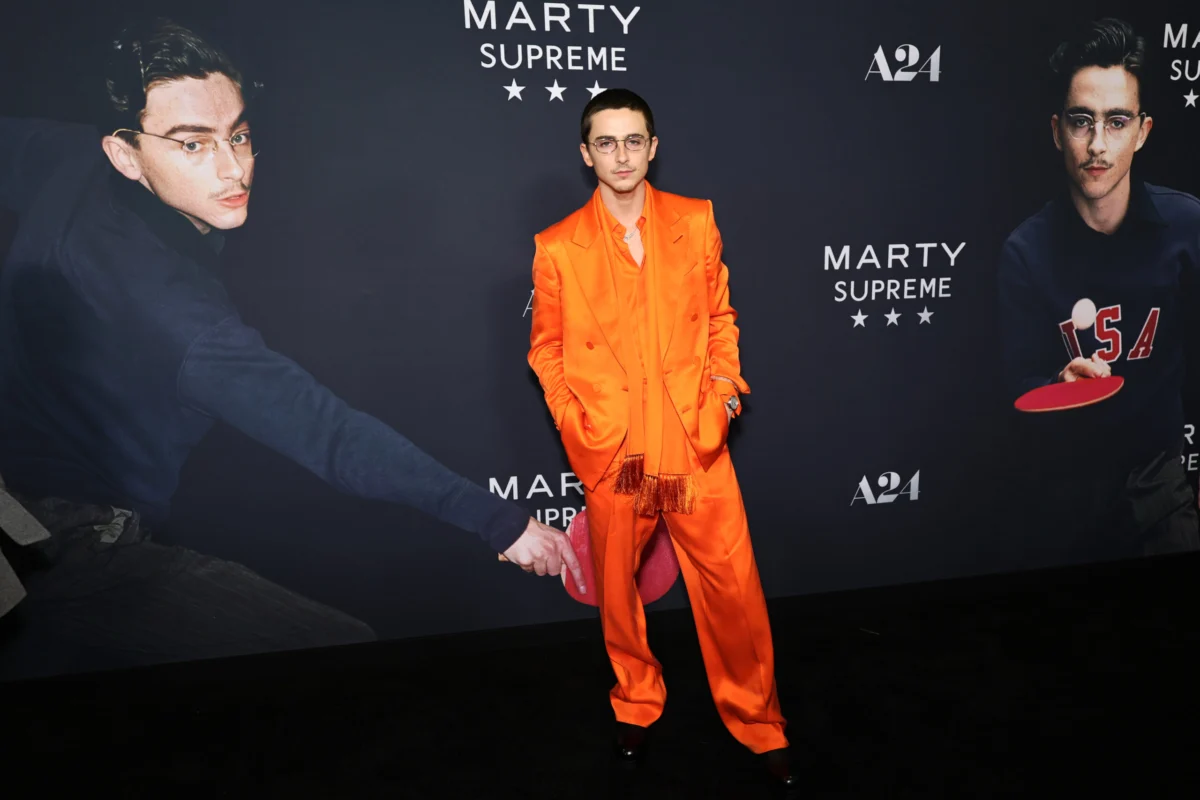
On Monday, the independent film studio A24, widely regarded as the premier purveyor of contemporary counterculture cinema, announced a partnership with Google DeepMind. The deal, reportedly valued at $75 million, involves the exploration of AI-driven tools within the filmmaking process. While the specific technical applications remain undisclosed, the move has triggered a significant backlash from the studio’s core demographic.
A24 has built its brand on a foundation of "human-centric" storytelling and auteur-driven projects. Its portfolio, which includes Academy Award-winning films such as Everything Everywhere All At Once and Moonlight, has allowed it to command a level of brand loyalty rarely seen in modern corporate filmmaking. However, the announcement of the Google partnership was met with immediate criticism on social media platforms. Critics have characterized the deal as a departure from the studio’s "indie" roots, labeling the move as a capitulation to "Big Tech" interests.
The timing of this backlash coincided with the release of a trailer for A Real Pain, a non-AI-related film directed by Jesse Eisenberg. Despite the film’s traditional production methods, the studio’s promotional channels were flooded with comments criticizing the Google partnership. This phenomenon illustrates the volatility of brand prestige; for a company like A24, whose revenue is inextricably linked to its reputation as an alternative to the Hollywood "factory" model, the perception of "selling out" to AI monoliths represents a significant strategic risk.
The Evolution of Martin Scorsese’s Cultural Stature
The shift in cultural perception is not limited to studios; it extends to individual legends of the craft. For decades, Martin Scorsese has been the archetype of the prestigious, uncompromising filmmaker. However, his recent engagement with the AI sector has prompted a reevaluation of his contemporary influence.
Scorsese recently announced a partnership with an AI startup, expressing enthusiasm for the technology’s potential in the storyboarding phase of production. While Scorsese framed this as a tool for efficiency and creative visualization, the move has been perceived by some as a dilution of his "legend" status. This development follows a period in which Scorsese’s work has transitioned from the high-energy, contemporary relevance of The Wolf of Wall Street to a series of meticulously crafted, traditional period dramas. By lending his credibility to an AI firm, Scorsese has entered a debate that pits the "old guard" of cinema against a new, tech-driven reality that many younger creatives view with skepticism.
Chronology of the Tech ‘Vibe Shift’: From Hardware to Algorithms
To understand the current hostility toward AI in the creative arts, one must examine the historical trajectory of technology’s relationship with "cool." For several decades, technology was viewed as an aspirational, liberating force.
- The Hardware Era (1982–2010): This period was defined by tangible innovation. The release of Tron in 1982 introduced the public to the cinematic potential of computer-generated imagery. This was followed by the era of Steve Jobs and the Apple "Renaissance." Products like the iPod and iPhone were not just tools; they were cultural artifacts. The technology was something "held in the hand," associated with personal empowerment and the "garage startup" mythos.
- The Social Media and Data Era (2010–2021): The focus shifted toward connectivity and platforms. While the "cool" factor began to wane as concerns over privacy and mental health grew, tech giants like Facebook and Twitter remained central to the cultural conversation.
- The AI Inflection Point (2022–Present): The release of OpenAI’s ChatGPT in late 2022 initially sparked a sense of novelty and excitement. However, this rapidly evolved into a sense of existential threat. The transition from "hardware we use" to "the ghost in the machine" has fundamentally changed the public’s relationship with tech companies. AI is increasingly viewed as an intangible force used by billionaires to automate human labor and consolidate control over creative output.
The Decline of OpenAI’s Public Prestige
OpenAI, once the vanguard of the new tech era, has experienced a notable decline in its public-facing brand equity. This erosion can be traced back to several key events:
- The November 2023 Boardroom Coup: A significant turning point occurred when CEO Sam Altman was briefly ousted by board members concerned about safety and the pace of commercialization. The subsequent reinstatement of Altman, and the departure of safety-minded executives—including Tasha McCauley and Helen Toner—signaled a definitive shift from a non-profit-minded research lab to a profit-driven corporate entity.
- Political Alignments: Public perception was further impacted by the attendance of major tech leaders, including Altman, Jeff Bezos, and Tim Cook, at events associated with high-level political figures. For a demographic that associates "cool" with counterculture and independence, these associations with the traditional power structure have proved detrimental to the brand image of Silicon Valley "disruptors."
- The Labor Threat: The explicit goal of many AI entrepreneurs to automate tasks traditionally performed by humans has alienated the creative class. This tension was a primary driver of the 2023 SAG-AFTRA and WGA strikes, which sought to establish guardrails against the use of generative AI in Hollywood.
Amazon, Luca Guadagnino, and the Suppression of Narrative
The complex relationship between tech giants and the film industry was recently highlighted by Amazon’s decision to drop Artificial, a planned film directed by Luca Guadagnino. The project was set to chronicle the 2023 boardroom coup at OpenAI. Amazon’s decision to abandon the film, and the subsequent lack of interest from other major distributors (including A24), has been interpreted as a sign of the toxic effects of corporate consolidation.
Industry analysts suggest that when a tech giant like Amazon—which seeks to sell cloud services to companies like OpenAI—also owns a major film studio, the incentive to produce content critical of the tech industry vanishes. This mirrors previous instances of content suppression, such as the difficulty Bryan Fogel faced in finding a distributor for The Dissident, a documentary regarding the murder of Jamal Khashoggi, due to potential conflicts with international business interests.
Broader Impact and the Hegelian Synthesis of AI Art
Despite the current backlash, the integration of AI into the creative process appears inevitable. The industry is currently in a state of polarization:
- The Resistance: Figures like Guillermo del Toro and Vince Gilligan have earned significant cultural capital by vocally eschewing AI in favor of traditional, human-led craftsmanship.
- The Early Adopters: Directors like James Cameron and Martin Scorsese represent a faction that views AI as a natural evolution of the filmmaker’s toolkit.
The future of AI in cinema likely lies in a "Hegelian synthesis." While "studio slop"—low-effort, AI-generated content—is expected to proliferate, a new generation of "AI-native" artists is beginning to emerge. These creators use the technology not as a cost-cutting measure, but as a new medium to produce works that were previously impossible to finance or execute.
Matt Stone, co-creator of South Park, has noted that the first truly "cool" application of AI will likely come from an iconoclastic creator who uses the tool to make something "scary" or "funny" in a way that feels native to the technology. When the novelty of the tech fades and the fear of the "corporate monolith" is balanced by genuine artistic innovation, the industry may reach a new equilibrium.
Conclusion: The Fragility of Cultural Capital
The current predicament of A24 serves as a cautionary tale for the modern era. Building a brand based on "cool" and counterculture takes years of consistent, high-quality output and community engagement. However, as evidenced by the reaction to the Google DeepMind deal, that prestige can be compromised by a single strategic maneuver that prioritizes corporate scaling over brand identity.
For Silicon Valley, the loss of "cool" signifies a shift from being a source of inspiration to being viewed as a utility or a threat. For Hollywood, the challenge remains to integrate technological advancement without sacrificing the human element that defines its value. As the lines between these two industries continue to blur, the ability to maintain brand equity will depend on navigating the tension between the efficiency of the machine and the idiosyncrasy of the artist.