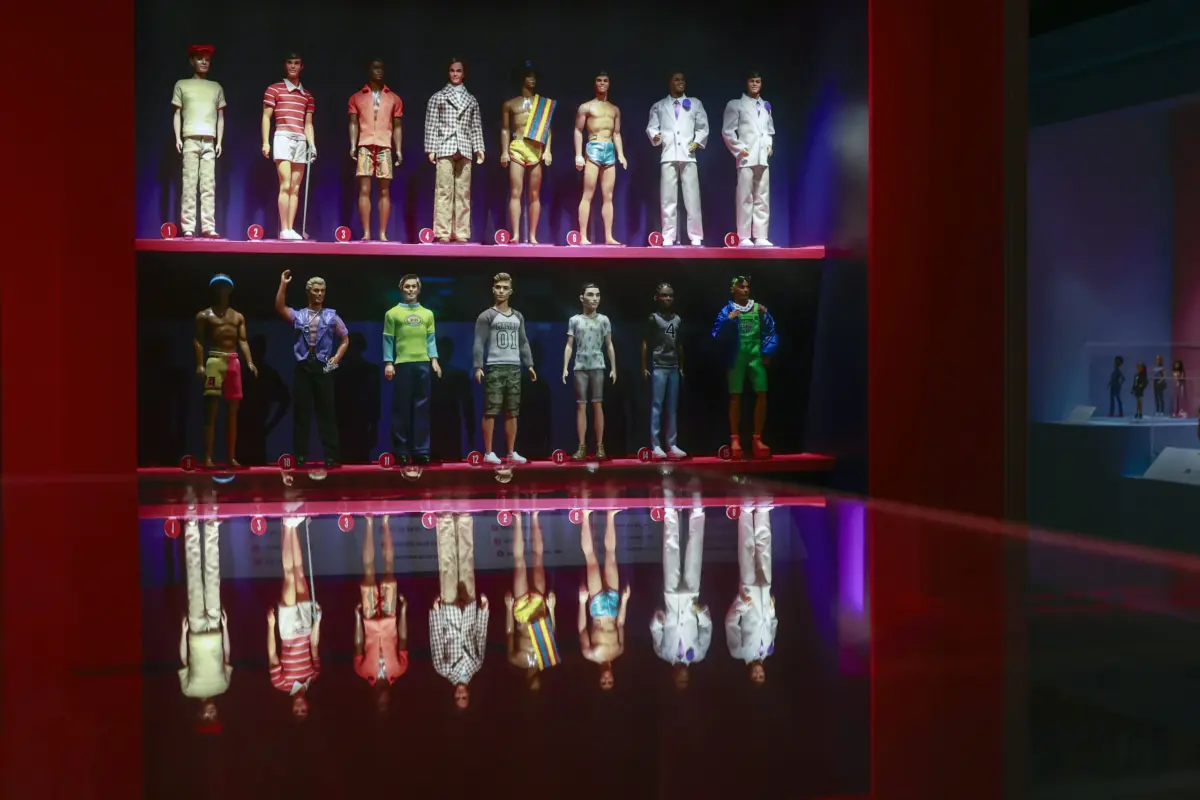
In a significant corporate realignment that bridges the gap between Hollywood’s major intellectual property houses and the world of physical play, Mattel announced on Friday that it has appointed Catherine Wood as its new General Manager and global head of dolls. Wood, a veteran of Warner Bros. Discovery who previously steered global franchise strategy for some of the most lucrative entertainment properties in cinematic history, will now oversee the long-term vision, global strategy, and commercial execution for Mattel’s expansive doll portfolio. This collection includes the iconic Barbie brand, as well as American Girl, Monster High, and Polly Pocket.
The transition of Wood from a top-tier media conglomerate to a legacy toy manufacturer signals a strategic pivot for Mattel. As the company seeks to leverage the massive success of the 2023 Barbie feature film, it is clearly looking to integrate the "franchise-first" mentality that dominates the modern entertainment industry into its core product development and marketing cycles.
A Proven Track Record in Franchise Management
During her tenure at Warner Bros. Discovery, Catherine Wood was instrumental in managing the growth and reach of massive, multi-generational entertainment properties. Her portfolio included oversight of the Harry Potter Wizarding World, the Game of Thrones universe, and the J.R.R. Tolkien-inspired Lord of the Rings franchise. These properties require a delicate balance of content creation, retail consumer products, and global experiential marketing—a trifecta of skills that Mattel is banking on to revitalize and sustain its own doll brands in an increasingly digital-first marketplace.
Wood’s appointment follows a period of immense transformation for Mattel. Under the leadership of outgoing executive influences and the company’s recent strategic refocus, the manufacturer has moved beyond simply selling plastic figures. It has evolved into an "IP-led" company, where the narrative and cinematic universe surrounding a toy are just as critical as the product itself. Wood’s background in high-level franchise strategy suggests that Mattel intends to deepen the narrative engagement of its doll portfolio, ensuring that toys are not just objects of play, but gateways to broader digital and cinematic ecosystems.
Chronology of Strategic Realignment
The relationship between Mattel and Warner Bros. has been tightening for years, culminating in the cultural phenomenon that was the Barbie movie. The following timeline outlines the evolution of this professional crossover:
- 2018: Mattel appoints Ynon Kreiz as CEO. Kreiz begins the process of shifting Mattel’s focus toward becoming an IP-centric company, initiating several film development deals.
- 2023: The Barbie movie, produced in partnership with Warner Bros., becomes a global sensation, grossing over $1.4 billion at the worldwide box office. This success validates Mattel’s strategy of utilizing high-end entertainment to drive core product sales.
- Late 2023 – Early 2024: Mattel continues to expand its "Mattel Studios" division, signaling a long-term commitment to film and television content.
- September 2024: Industry reports emerge regarding executive restructuring across the entertainment and toy manufacturing sectors.
- October 2024: Mattel officially announces the hiring of Catherine Wood as General Manager and global head of dolls.
- October 2024: Simultaneously, former Mattel leadership transitions into new roles, including the appointment of former CEO Ynon Kreiz as co-CEO of Skydance, further weaving the network of executives between the two sectors.
The Data Behind the Decision
The dolls category remains the bedrock of Mattel’s financial performance. According to the company’s 2023 full-year earnings report, the dolls segment—driven largely by Barbie—remained a primary revenue driver despite headwinds in the broader toy market. In the third quarter of 2023, Barbie gross billings rose 16 percent, a clear "Barbie effect" attributed to the movie’s marketing blitz.
However, the toy industry is currently facing a period of maturation. According to data from Circana, a consumer behavior analytics firm, the global toy market has seen a correction following the record-breaking growth experienced during the COVID-19 pandemic. In this environment, legacy brands must fight for shelf space and consumer attention against digital gaming, short-form video, and subscription-based entertainment.
By bringing in an executive with Wood’s background, Mattel is attempting to mitigate this market saturation. The goal is to move from a "product-release" cycle to a "franchise-management" cycle, where the brand remains top-of-mind for consumers through a constant stream of content, collaborations, and localized consumer experiences.
Official Statements and Vision
In a statement released alongside the appointment, Wood emphasized the synergy between storytelling and play. "Dolls have a unique ability to bring brands and stories to life through play, imagination, and self-expression," Wood stated. She noted that her attraction to Mattel was rooted in the company’s "extraordinary portfolio of brands," each of which possesses a distinct heritage that can be amplified through a rigorous franchise perspective.
"I’m excited to work with the teams across Mattel to build on what makes these brands distinctive and create new ways for them to grow, evolve, and connect with fans around the world," Wood added. Her focus, according to internal sources, will be on cross-functional collaboration. She is expected to serve as a bridge between Mattel Studios—the content creation arm—and the product design, marketing, and commercial teams, ensuring that a cohesive narrative exists from the moment a consumer sees a film trailer to the moment they hold the doll on a store shelf.
Broader Implications for the Toy Industry
The hiring of Catherine Wood is representative of a larger industry trend: the "Hollywoodization" of toy manufacturing. As traditional advertising channels like television commercials become less effective for younger demographics (Gen Alpha), toy companies are pivoting toward influencer marketing, branded social media content, and high-budget film production.
Competitors such as Hasbro and Spin Master are similarly exploring ways to turn their physical assets into entertainment powerhouses. However, Mattel currently leads the charge in this regard. By hiring a franchise strategist who has managed the likes of the Wizarding World, Mattel is signaling to investors that it is not content with being a seasonal retail player. It intends to manage its dolls as evergreen entertainment properties.
Furthermore, the simultaneous movement of high-level executives between Mattel, Warner Bros., and new entities like Skydance highlights how interconnected the toy and entertainment industries have become. The barrier between "content creator" and "product maker" has effectively dissolved. When a film property like Barbie or Monster High drives a 20 percent increase in doll sales, the content is no longer just a marketing cost—it is a profit-generating engine.
Future Outlook
As Wood settles into her new role, industry analysts will be watching to see how she manages the delicate balance between brand heritage and modern innovation. While Barbie has successfully navigated numerous cultural shifts, other brands in the portfolio, such as American Girl or Polly Pocket, may require more radical reinvention to resonate with contemporary audiences.
Wood’s background suggests a strategy that will prioritize consistency across all touchpoints. This means that if a Monster High movie or streaming series is released, the product design, digital experience, and retail display will likely be unified under a single, overarching franchise vision.
For Mattel, the challenge will be to ensure that this high-level strategy does not alienate the core consumer base—parents and children who value the tactile, open-ended nature of traditional play. If Wood can successfully merge the structured, narrative-heavy world of Hollywood franchises with the spontaneous, imaginative world of doll play, she may well define the next decade of success for one of the world’s oldest and most recognizable toy manufacturers.
The move is ultimately a gamble on the power of narrative. In a world where digital distractions compete for every second of a child’s attention, Mattel is betting that a compelling story, backed by a global franchise strategy, is the only way to keep the humble doll relevant in the 21st century. As the company transitions under this new leadership, the industry will be watching closely to see if the "franchise-first" model can deliver sustainable growth in a volatile global market.