The Production and Narrative Framework
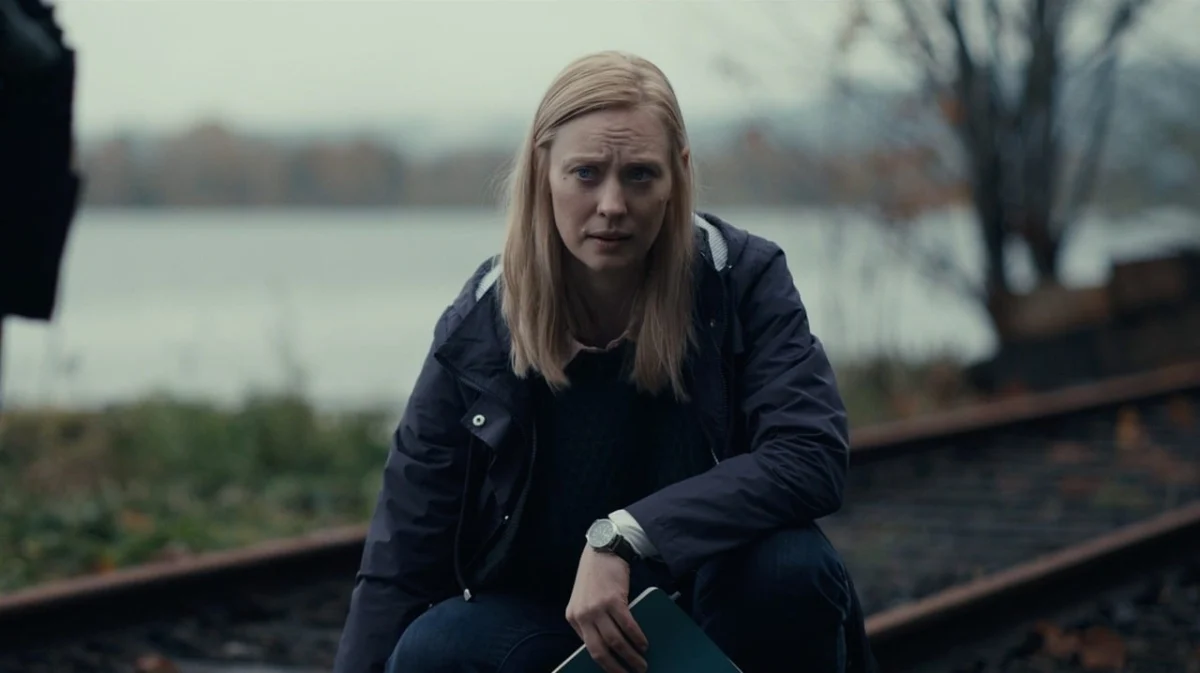
The film follows Dr. Meg Garland, a specialist in taphonomy—the study of decaying organisms—who operates a facility known as The Body Farm. The narrative catalyst occurs when Garland is alerted to the discovery of her estranged father’s remains near a localized crime scene. The central conflict arises from the fact that her father had been missing for 34 years, having abandoned his family when Garland was four.
The investigation, which expands to include local law enforcement officials played by Jeffrey Donovan and Will Hochman, serves as the structural foundation of the first act. While the premise is grounded in the procedural tropes of forensic science, the film pivots mid-narrative into speculative horror. The production utilized the coastal landscapes of the Pacific Northwest to establish a visual identity defined by high-contrast blues, greys, and atmospheric fog, a deliberate choice by cinematographer Kevin Stewart to evoke a sense of professional isolation and environmental decay.
Technical Achievement and Practical Effects
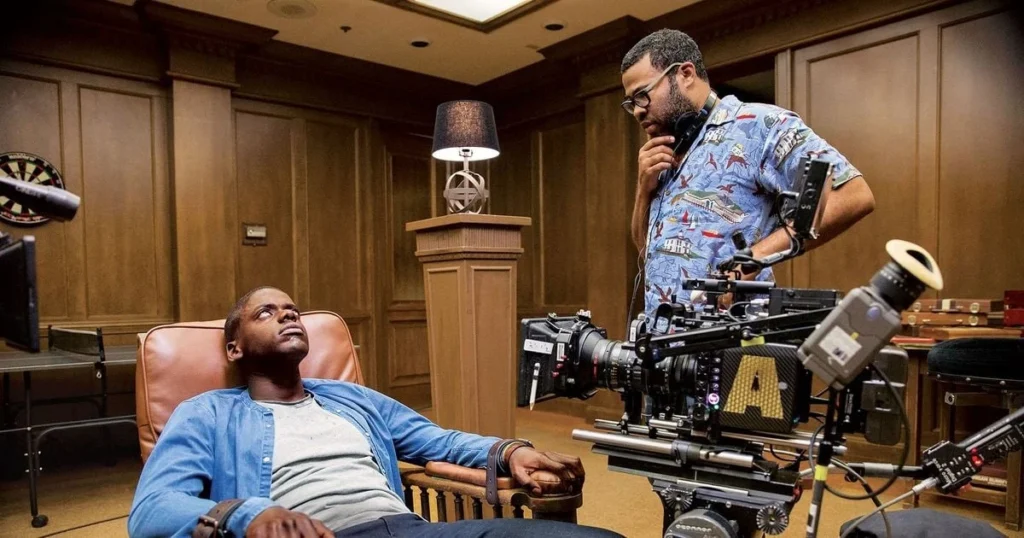
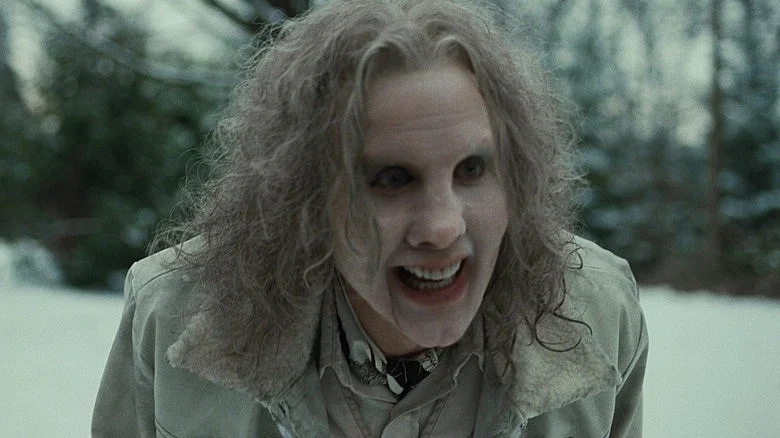
A primary pillar of the film’s critical reception is the work of special effects artist Patrick Magee. In an era dominated by digital visual effects (VFX), the production team prioritized practical, tactile effects to ground the film’s more extreme imagery. This approach aligns with a growing industry trend of "high-craft" practical horror, which has seen renewed interest from production companies seeking to differentiate their projects in a crowded streaming market.
The decision to avoid digital compositing for the film’s major physical transformations allows for a heightened sense of realism in the film’s third act. By maintaining a clear, well-lit presentation of these effects rather than relying on rapid-fire editing or shadow-obscured sequences, the production team has effectively positioned the film as a callback to the practical horror aesthetics of the 1980s.
The Role of Fantastic Fest in Distribution
The choice of Fantastic Fest for the world premiere is strategically significant. Founded in 2005 in Austin, Texas, the festival has become a primary launchpad for genre-defying films that balance artistic merit with commercial potential. By debuting at this venue, the production team aimed to establish "prestige horror" credibility before seeking wider theatrical or digital distribution.
The festival atmosphere serves as a barometer for audience reception, particularly for films that rely on structural subversion. Data from previous festival seasons indicates that films which successfully transition between genres—such as thrillers that evolve into horror—often see a higher rate of social media engagement and word-of-mouth growth compared to strictly formulaic horror entries.
![‘The Cycle’ Review: Rewrites True Crime for Diehard Horror Fans! [Fantastic Fest]](https://www.dreadcentral.com/wp-content/uploads/2026/09/CYCLE_Still-scaled-1.jpg)
Character Development and Forensic Realism
Deborah Ann Woll’s portrayal of Dr. Meg Garland is central to the film’s attempt to modernize the forensic thriller subgenre. Rather than utilizing the archetype of the "hardened investigator" or the "vulnerable victim," the screenplay emphasizes professional competence and technical expertise. The character’s internal arc is defined by the tension between her academic detachment—necessary for her work as an anthropologist—and the emotional volatility of her father’s re-emergence.
This professional portrayal is supported by the film’s commitment to the vocabulary and methodology of forensic science. By centering the story on The Body Farm, the film taps into the public’s ongoing fascination with forensic anthropology and cold-case resolution. This grounding in realistic scientific procedures provides a stable contrast to the film’s eventual descent into supernatural or biological anomalies, thereby increasing the audience’s investment in the protagonist’s survival.
Market Implications and Genre Evolution
The release of The Cycle highlights a broader shift in the horror market toward "intelligent genre" films. Following the commercial success of independent horror titles over the past decade, studios are increasingly funding projects that combine high-concept narratives with established actors. The inclusion of recognizable talent like Jeffrey Donovan alongside lead actress Deborah Ann Woll suggests a shift in how genre films are packaged for both theatrical and streaming platforms.
The film’s success also underscores the viability of the mid-budget horror model. By focusing on practical effects, the production can maintain a controlled budget while delivering a product that feels visually distinct from the standard CGI-heavy tentpoles. This efficiency is critical in the current economic climate, where streaming services and distributors are scrutinizing the return on investment for mid-tier feature films.
Chronology of the Production
- Pre-Production (2024): Development of the script, focusing on balancing the true crime procedural structure with a secondary, more extreme horror narrative.
- Principal Photography (2025): The production moved to coastal locations to capture the specific atmospheric requirements of the script. Practical effects work was performed in real-time on set to minimize post-production needs.
- Post-Production (Early 2026): Final sound mixing and color grading to emphasize the "damp, melancholic" aesthetic requested by the director.
- World Premiere (September 2026): The film officially debuted at Fantastic Fest, where it received praise for its narrative pivot and technical proficiency.
Future Outlook
As of the post-festival period, The Cycle is positioned as a notable entry in the 2026 horror landscape. The film’s ability to bypass traditional genre constraints suggests a potential path forward for director Jordan Downey, who has demonstrated a consistent interest in the intersection of physical horror and character-driven storytelling.
The long-term impact of the film will depend on its ability to reach a mainstream audience beyond the initial festival circuit. With a critical focus on the "unspoiled" nature of the film’s central mystery, marketing efforts will likely pivot toward the element of surprise, a tactic that has proven effective for genre-bending films in recent years. If the film sustains its current momentum, it may serve as a case study for how high-quality practical effects can provide a competitive advantage in a market saturated with digital content.
Ultimately, the film stands as a testament to the importance of narrative misdirection. By lulling the viewer into the familiar comfort of a true crime procedural before introducing its more radical elements, the film forces the audience to reevaluate the protagonist’s entire professional history, adding layers of subtext that elevate it above typical genre fare. Whether it achieves lasting status as a cult classic or a mainstream success, The Cycle represents a disciplined, well-executed effort in modern independent filmmaking.