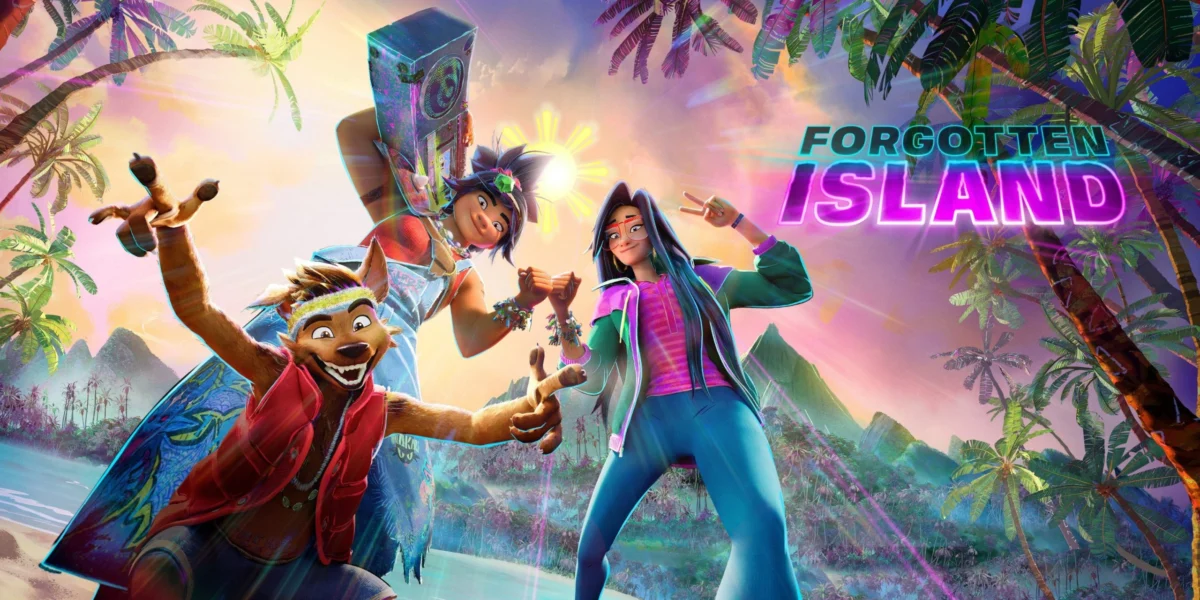
The intersection of rich cultural folklore, innovative animation techniques, and commercial performance has become a focal point of recent cinematic discourse, highlighted by the latest main episode of the Next Best Picture Podcast. In a comprehensive, spoiler-filled review, podcast host Matt Neglia is joined by critic Josh Parham to dissect Forgotten Island, the ambitious new animated feature directed by Academy Award nominees Joel Crawford and Januel Mercado. The film, which follows the critically lauded success of Crawford and Mercado’s previous directorial venture Puss in Boots: The Last Wish, has drawn widespread praise from critics for its distinctive visual style, resonant storytelling, standout voice performances, and intricate musical score. Yet, despite this critical momentum, the movie has encountered significant hurdles at the domestic and international box office, prompting industry-wide discussions regarding the viability of original, mythology-driven animated projects in a marketplace heavily dominated by established intellectual properties and familiar studio franchises.
Background Context and Creative Vision
Forgotten Island represents a notable departure from standard Hollywood animation tropes by deeply immersing viewers in the rich tapestry of Philippine mythology. The project’s creative team, spearheaded by Crawford and Mercado, sought to bring lesser-known cultural narratives to a global audience, employing a visually arresting animation style that pushes the boundaries of contemporary digital artistry. The production boasts a star-studded and culturally diverse voice cast, featuring Grammy Award-winning artist H.E.R., Liza Soberano, Dave Franco, Jenny Slate, Manny Jacinto, Dolly de Leon, Jo Koy, Ronny Chieng, Kevin McCann, and Broadway legend Lea Salonga.
The integration of authentic cultural touchstones into a mainstream animated feature has been heralded by cultural analysts as a significant step forward for representation in media. Philippine mythology, traditionally underrepresented in Western commercial cinema, provides a robust foundation for the film’s narrative themes, which explore identity, heritage, and community resilience. The musical composition and vocal performances—particularly those anchored by Salonga and H.E.R.—have been singled out by reviewers as emotional linchpines that elevate the material beyond standard family fare. However, the unique subject matter and original IP status have also presented distinct marketing and distribution challenges, factors that Neglia and Parham explore at length in their podcast breakdown.
Box Office Realities and Audience Engagement
The commercial trajectory of Forgotten Island underscores a persistent challenge within the contemporary theatrical landscape: the struggle of original animated features to attract broad audiences against high-profile studio sequels and pre-branded franchises. Industry tracking data indicates that while word-of-mouth among early ticket buyers and critics has been overwhelmingly positive, initial theater attendance has fallen short of studio projections. Analysts point to several contributing factors, including saturated release calendars, shifting family viewing habits toward streaming platforms, and difficulties in conveying the unique aesthetic and thematic depth of an unfamiliar property to general audiences through traditional marketing channels.

During their discussion, Neglia and Parham delve into the socioeconomic and cultural factors influencing why contemporary audiences are slow to turn out for original theatrical animation. They analyze how marketing campaigns position these films and whether promotional strategies adequately communicate the scale and emotional resonance of the project. Despite the sluggish box office returns, the film’s sustained critical momentum has kept it firmly in the conversation for end-of-year accolades, particularly in technical and artistic categories.
The Academy Awards Outlook for Best Animated Feature
As the cinematic awards season approaches, industry prognosticators are carefully evaluating the eligibility and potential trajectory of Forgotten Island within the race for the Academy Award for Best Animated Feature Film. The category has historically favored a mix of major studio releases and boundary-pushing independent or international projects. The pedigree of directors Joel Crawford and Januel Mercado—whose previous collaboration on Puss in Boots: The Last Wish earned critical acclaim and an Oscar nomination—provides Forgotten Island with immediate institutional credibility among voting members of the Academy of Motion Picture Arts and Sciences.
The podcast review addresses whether the film’s artistic achievements can overcome its commercial underperformance to secure a coveted nomination. Historically, the Academy’s Animation Branch has occasionally rewarded critically lauded films that struggled financially, provided the artistic merit and storytelling innovation are viewed as substantial enough to warrant recognition. Voters frequently look for distinct visual signatures and cultural authenticity, both of which Forgotten Island possesses in abundance. The extensive voice cast, featuring acclaimed performers capable of driving awards-season visibility, further bolsters the film’s campaign potential as guilds and critics’ associations begin announcing their seasonal honors.
Podcast Production and Distribution Context
The detailed analysis of Forgotten Island is part of the ongoing programming provided by the Next Best Picture Podcast, a recognized platform within the film journalism community. Operating as a proud member of the Evergreen Podcasts Network, the platform offers regular deep dives into upcoming releases, awards season forecasts, and retrospective film analysis. Listeners can access the episode through multiple audio streaming platforms, as well as via an embedded video player on the official Next Best Picture website, ensuring accessibility for diverse audiences across video and audio formats.
The podcast continues to sustain its operations through community support mechanisms, including listener contributions via Patreon, which offer subscribers ad-free access to specialized content and exclusive reviews. Through detailed discussions like the Forgotten Island review, the platform maintains its commitment to offering nuanced, critical evaluations of contemporary cinema, bridging the gap between mainstream box office realities and high-art animation achievements. As Forgotten Island completes its theatrical run and transitions toward home entertainment and awards consideration, discussions regarding its long-term legacy—both as a milestone for Philippine representation in animation and as a case study in box office dynamics for original IPs—will undoubtedly continue to resonate within the film community.