The film’s narrative centers on Ryo Honda, a 32-year-old commercial erotic manga artist grappling with professional dissatisfaction and a profound lack of romantic experience, and Ami Enomoto, a 28-year-old illustrator and Boys’ Love manga enthusiast whose aspirations for a professional manga career have been abandoned, leading to a cynical view of men. Both characters, approaching their thirties, share the common thread of never having experienced a romantic or sexual relationship, a reality that forms the emotional core of the film.
A Groundbreaking Production and Artistic Vision
"CHERRY AND VIRGIN" stands out not only for its compelling story but also for its audacious technical execution. Director Masanao Kawajiri employs a multi-faceted animation approach that challenges conventional genre boundaries. The rotoscoping technique, which involves tracing over live-action footage frame by frame, imbues the animated characters with a unique realism in their movements and expressions, a stark contrast to traditional hand-drawn or CGI animation. This meticulous process, based on performances by voice actors Takashi Okado and Yaeko Kiyose for the protagonists, adds an intimate layer to the characters’ portrayal, allowing their nuanced emotions to translate directly into their animated forms.
Beyond rotoscoping, the film seamlessly integrates live-action elements, static manga panels, and a diverse range of illustration styles, creating a visual tapestry that is both experimental and highly effective. This stylistic hybridity serves a dual purpose: it visually reflects the protagonists’ identities as artists immersed in different facets of the manga world, and it allows Kawajiri to make meta-commentary on the anime and manga industries themselves. Character designs for Ryo Honda were crafted by Katsuya Takayanagi, while Ami Enomoto’s visual identity was developed by Ryo Nakaharu. Mick Maeda was responsible for the film’s evocative image boards and intricate color design, contributing significantly to the film’s distinct aesthetic.
A striking example of the film’s visual innovation is the deliberate stylistic difference between the two main characters. Ryo is often presented in a monochromatic, pencil-sketch aesthetic, embodying a raw, perhaps unfinished quality that mirrors his internal struggles. Ami, conversely, appears in vibrant colors, resembling a more conventional anime character, hinting at her outward persona or internal vibrancy. This visual dichotomy is not merely an artistic flourish but becomes an integral part of the narrative, evolving as the characters grow closer and occasionally even blurring or exchanging styles, a testament to the film’s intellectual depth.
Chronology of Development and Public Engagement
The journey of "CHERRY AND VIRGIN" from concept to screen involved significant public engagement. In 2021, a crowdfunding campaign spearheaded by the Toei Video publicity team successfully raised ¥2,740,730 (approximately $18,000 USD at current exchange rates) from 171 supporters. This financial backing was crucial for various aspects of the film’s promotion, including festival submissions and the ambitious theatrical release planned for 2027 in Japan. The success of this campaign underscored a significant public interest and belief in Kawajiri’s vision, particularly given the independent nature of such an artistically experimental project within the often-conservative anime industry.
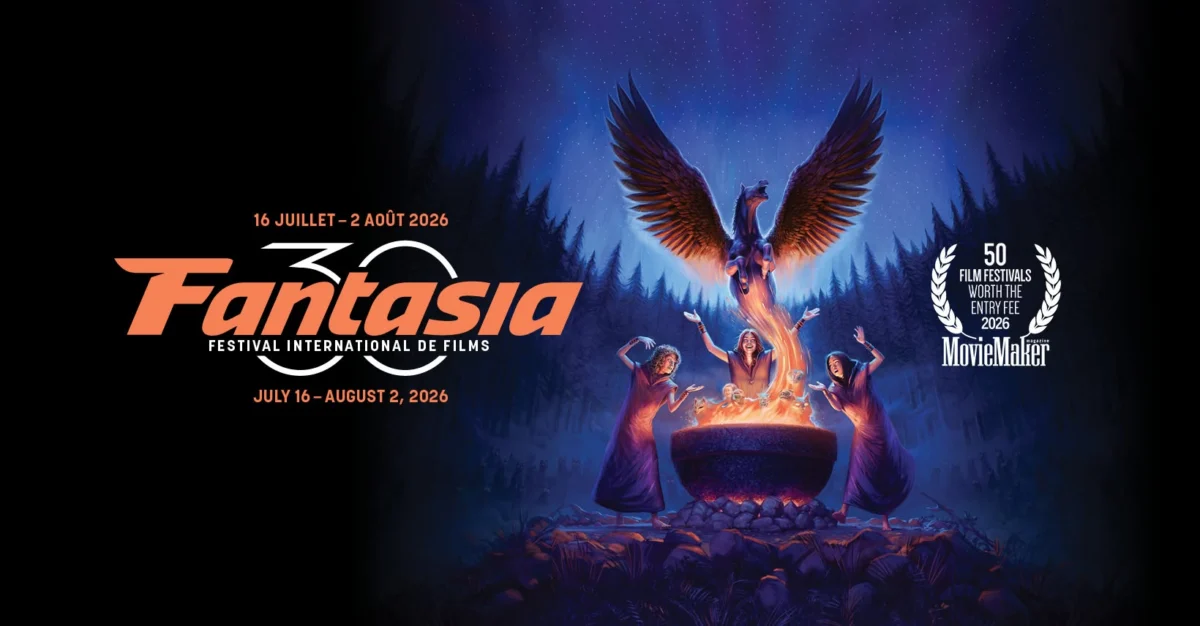
The film’s world premiere at the Fantasia International Film Festival on July 18, 2026, marked a pivotal moment. Fantasia, known for its focus on genre cinema and animation, provided an ideal platform for "CHERRY AND VIRGIN" to introduce its unique blend of romance, drama, and artistic innovation to an international audience. The presence of director Kawajiri and lead actor Okado at the presentation further highlighted the film’s significance and its creators’ commitment to engaging with global audiences. Following its international debut, the film is slated for a theatrical release in Japan in 2027, allowing domestic audiences to experience its groundbreaking approach.
The Director’s Pedigree and Preceding Accolades
Masanao Kawajiri’s feature directorial debut with "CHERRY AND VIRGIN" is built upon a foundation of critical success in short animation. His earlier work, "A Japanese Boy Who Draws," garnered significant recognition, signaling his emergence as a formidable talent in the animation world. This short film was awarded the runner-up prize at the 40th Pia Film Festival, received the Excellence Award in the Animation Division of the 23rd Japan Media Arts Festival, and notably earned the Noburo Ofuji Award at the 74th Mainichi Film Awards. The Noburo Ofuji Award, in particular, is one of Japan’s most prestigious accolades for animated films, celebrating works that push artistic boundaries and demonstrate innovative techniques. These prior achievements established Kawajiri’s reputation for artistic integrity and technical prowess, setting high expectations for his first feature-length project. The critical anticipation surrounding "CHERRY AND VIRGIN" was thus largely fueled by the director’s proven track record of producing thoughtful and visually compelling animation.
Thematic Exploration: Navigating Adulthood and Relationships in Modern Japan
"CHERRY AND VIRGIN" delves into themes rarely explored with such candor and depth in mainstream anime: adult relationships, sexual intimacy, and the profound awkwardness of self-discovery in one’s thirties. The premise – two creative individuals who find themselves unfulfilled professionally and uninitiated romantically – serves as a potent vehicle for examining contemporary societal anxieties.
The film meticulously portrays the challenges Ryo and Ami face as they attempt to forge their first romantic connection, often characterized by nervousness, oversharing, self-criticism, and a fundamental misunderstanding of relational dynamics. Their shared struggles as artists, however, become a bridge, fostering a gradual closeness that transcends their initial discomfort. Kawajiri masterfully navigates their journey towards intimacy, including their first sexual experience, presenting it with a rare blend of sensitivity, realism, and humor. The film’s ability to maintain suspense regarding whether they will ultimately become a couple is a testament to the strength of its writing and direction, keeping audiences engaged from beginning to end.
Beyond the personal narrative, "CHERRY AND VIRGIN" offers incisive commentary on various facets of Japanese society. It provides a nuanced look into the operational realities of the manga industry, subtly critiquing the treatment and societal perception of artists specializing in erotic manga. The scenes set at conventions, for instance, illuminate the often-overlooked subcultures and economic structures within this specific creative sector.
Furthermore, the film tackles the broader difficulties many individuals in Japan face in forming meaningful relationships. In a society grappling with phenomena like "herbivore men" (sōshoku danshi) – young men who show little interest in marriage or romantic relationships – and a general societal reluctance to openly express emotions, the film’s portrayal of Ryo and Ami’s struggles resonates deeply. It highlights the impact of digital dating platforms and social media on connection, contrasting it with the inherent human need for genuine, face-to-face interaction. The dialogue and internal monologues of the characters are particularly effective in conveying these internal conflicts and societal pressures, enriching the film’s psychological realism. The narrative also thoughtfully explores the idea that sustaining a relationship can be even more challenging than initiating one, adding another layer of complexity to its exploration of modern romance.
Implications for the Anime Industry and Beyond
The success and unique approach of "CHERRY AND VIRGIN" carry significant implications for the broader anime industry. In a landscape often dominated by productions aimed at younger audiences, featuring fantasy, science fiction, or slapstick comedy, films that cater to predominantly adult sensibilities and explore mature themes with realism are rare exceptions. "CHERRY AND VIRGIN" bravely steps into this niche, demonstrating that there is a viable audience and critical appetite for such narratives.
Its innovative use of mixed media and rotoscoping could inspire other animators to experiment with diverse visual storytelling techniques, pushing the boundaries of what is conventionally expected from animated features. The film’s willingness to engage with topics like sexuality and relationship struggles in a non-exploitative, emotionally intelligent manner could pave the way for more nuanced and adult-oriented anime productions.
Moreover, Kawajiri’s ability to secure crowdfunding for promotion and distribution highlights the growing importance of direct fan support in bringing unique projects to fruition, especially for independent filmmakers seeking to challenge established norms. This model offers a pathway for artistic endeavors that might otherwise struggle to find traditional studio backing due to their unconventional themes or styles.
Critical Reception and Future Outlook
Early critical reception for "CHERRY AND VIRGIN" has been overwhelmingly positive, with many reviewers hailing it as one of the standout films of the year, transcending the usual distinctions between anime and live-action cinema. Its intelligent script, compelling character development, and groundbreaking visual artistry have been consistently praised. The film’s ability to blend humor with genuine emotional drama, particularly in its depiction of the awkward yet tender moments leading to intimacy, has resonated deeply with audiences and critics alike.
"CHERRY AND VIRGIN" is more than just an animated film; it is a profound artistic statement that challenges genre conventions, explores the complexities of modern human connection, and showcases the limitless potential of animation as a medium for mature storytelling. As it moves towards its wider theatrical release in Japan in 2027, the film is poised to solidify Masanao Kawajiri’s position as a significant and innovative voice in global animation. Its success could indeed inspire a new wave of animated features that embrace diverse narratives and push the boundaries of visual expression, enriching the landscape of cinematic storytelling for years to come.