The release of Netflix’s latest true-crime anthology entry, Monster: The Lizzie Borden Story, has once again thrust one of American history’s most enduring legal mysteries into the global spotlight. Created by the prolific producing duo Ryan Murphy and Ian Brennan, the eight-episode limited series attempts to deconstruct the infamous 1892 double homicide in Fall River, Massachusetts. Starring Ella Beatty as the eponymous Lizzie Borden, alongside a high-profile ensemble cast that includes Vicky Krieps, Charlie Hunnam, Rebecca Hall, and Sarah Paulson, the production leans heavily into stylized melodrama rather than historical accuracy. Despite committed lead performances and high-end production values, the series has drawn substantial critique for its heavy reliance on fabrication, sensationalism, and over-the-counter stylistic choices that overshadow the historical gravity of the underlying events.
Background Context of the 1892 Fall River Murders
To understand the creative liberties taken by the creators of Monster: The Lizzie Borden Story, it is necessary to examine the historical record of the events that transpired on August 4, 1892. Andrew and Abby Borden, a wealthy couple residing in Fall River, Massachusetts, were found brutally murdered in their family home, having been struck multiple times with a hatchet-like instrument. Their daughter, Lizzie Borden, swiftly emerged as the primary suspect due to circumstantial evidence, strained family dynamics regarding her father’s real estate holdings, and inconsistent statements given to local law enforcement.
Historically, Lizzie was thirty-two years old at the time of the killings—an age that paints a stark contrast to the youthful, isolated ingénue portrayal delivered in the Netflix series. Far from being a shut-in or a prisoner in her own home, Lizzie was an active member of the local community, a Sunday school teacher, and a traveler who had experienced European excursions. Her trial in June 1893 captured national headlines, becoming one of the earliest examples of sensationalized American tabloid journalism. Despite the intense public scrutiny and circumstantial suspicion, a jury ultimately acquitted Lizzie Borden of the murders, leaving the case officially unsolved and cementing her place in folklore, immortalized by the grim playground rhyme that persists more than a century later.
Chronology and Narrative Structure of the Netflix Series
Monster: The Lizzie Borden Story structures its eight-episode arc by opening in media res with an inaccurate depiction of the murders, showing Lizzie striking her father and stepmother in the entryway. In historical reality, Andrew Borden was discovered dead on a downstairs sofa, not in the threshold while interrupting an attack on his wife.
Following this opening sequence, the narrative backtracks several months to explore the purported lead-up to the tragedy. The series introduces a fictionalized, romanticized relationship between Lizzie and the family’s new Irish housemaid, Bridget, portrayed by Vicky Krieps. While historical records indicate that Bridget Sullivan was indeed present in the home during the murders and testified during the trial, there is no historical evidence supporting a romantic entanglement between the two women.
Furthermore, the series incorporates an unusual narrative pivot midway through its run, introducing Aileen Wuornos, portrayed by Sarah Paulson, starting in the fourth episode. This cross-historical thematic pairing attempts to draw a broader sociological line between victimized women pushed to the brink and a society that fails to hold abusive men accountable. However, the integration of Wuornos’s separate, twentieth-century trajectory disrupts the pacing and focus of the Fall River narrative, creating a fragmented viewing experience.

Cast Performances and Production Analysis
The performances within Monster: The Lizzie Borden Story remain a focal point of discussion among critics and audiences alike. Ella Beatty navigates a heavily stylized script, anchoring Lizzie with a sense of internal conflict and self-preservation. Vicky Krieps brings intensity to the role of Bridget, though her interpretation occasionally evokes a contemporary urban aesthetic rather than that of a late-nineteenth-century domestic worker in Massachusetts.
Rebecca Hall portrays the stepmother, Abby Borden, adopting an antagonistic and theatrical demeanor, while Charlie Hunnam embodies Andrew Borden with a campy, commercially focused detachment. Sarah Paulson’s portrayal of Aileen Wuornos delivers a grounded technical performance, though critics note that the character study would have benefited from an independent format rather than a cross-genre crossover.
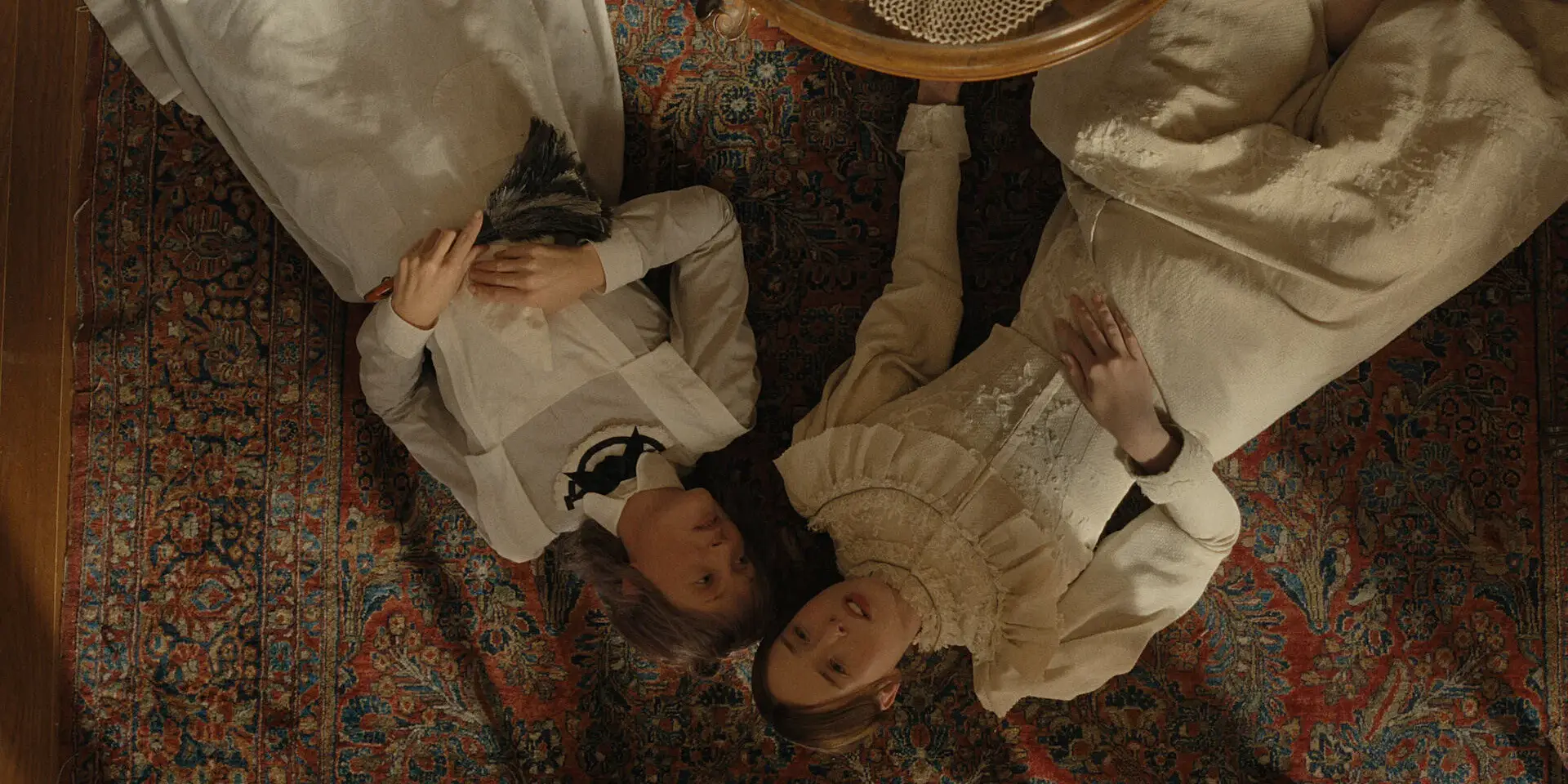
From a technical standpoint, the production utilizes the signature aesthetic associated with Ryan Murphy’s television portfolio: high-contrast lighting, saturated color palettes, prominent center-framed cinematography, and anachronistic musical choices, such as the inclusion of modern punk tracks during dramatic sequences. These artistic decisions prioritize immediate visual impact and binge-viewing engagement over period-accurate restraint.
Broader Impact and Implications for the True-Crime Genre
The release of Monster: The Lizzie Borden Story highlights ongoing debates regarding the ethical responsibilities of creators adapting real-life tragedies for entertainment platforms. As true-crime programming continues to dominate streaming metrics, production companies frequently balance historical fidelity against narrative sensationalism to capture audience retention in a crowded media landscape.
Critics and cultural historians argue that framing historical figures through a lens of exploitation risks distorting public understanding of actual criminal investigations and the lives of those involved. Conversely, proponents of contemporary anthologies contend that dramatizations serve as allegorical vehicles to explore modern themes of gender dynamics, institutional neglect, and systemic violence against women.
Regardless of these critical perspectives, the series demonstrates the enduring commercial viability of true-crime narratives. As streaming services commission increasingly stylized adaptations of historical events, the tension between historical documentation and dramatic license remains a central challenge for modern television creators.