The annual New York Comic Con has officially commenced at the Jacob K. Javits Convention Center in Manhattan, drawing tens of thousands of pop culture enthusiasts, industry professionals, and cosplayers from around the globe. As one of the premier events on the international convention calendar, this year’s gathering highlights the massive economic and cultural footprint of the entertainment industry, while simultaneously drawing attention to the practical realities of large-scale public gatherings. Organizers and public health advocates frequently issue guidance regarding mass-event hygiene, colloquially known in fandom circles as avoiding "con crud"—a generalized term for the upper respiratory bugs frequently transmitted in crowded indoor spaces. Industry veterans and veteran attendees routinely emphasize basic preventative measures, such as thorough handwashing and avoiding direct contact between unwashed hands and consumable food items, to mitigate the spread of seasonal viruses during the multi-day event.
While New York City plays host to the sprawling convention center floor, regional cinema lineups present a varied landscape for audiences preferring local screenings or home viewing. Specialized theatrical engagements this week include a limited 20th-anniversary re-release of Guillermo del Toro’s critically acclaimed dark fantasy masterpiece, Pan’s Labyrinth. Originally released in 2006 by Warner Bros. Pictures, the film continues to be celebrated by critics for its intricate blend of historical drama and fantastical elements set against the backdrop of post-Civil War Spain. Alongside repertory screenings, current box office options feature psychological thrillers such as Other Mommy, starring Jessica Chastain. However, many consumers and culture writers are finding distinct cultural milestones outside the traditional multiplexes, notably within the publishing and streaming sectors.
A Landmark Publishing Milestone: Tove Jansson’s The Hobbit
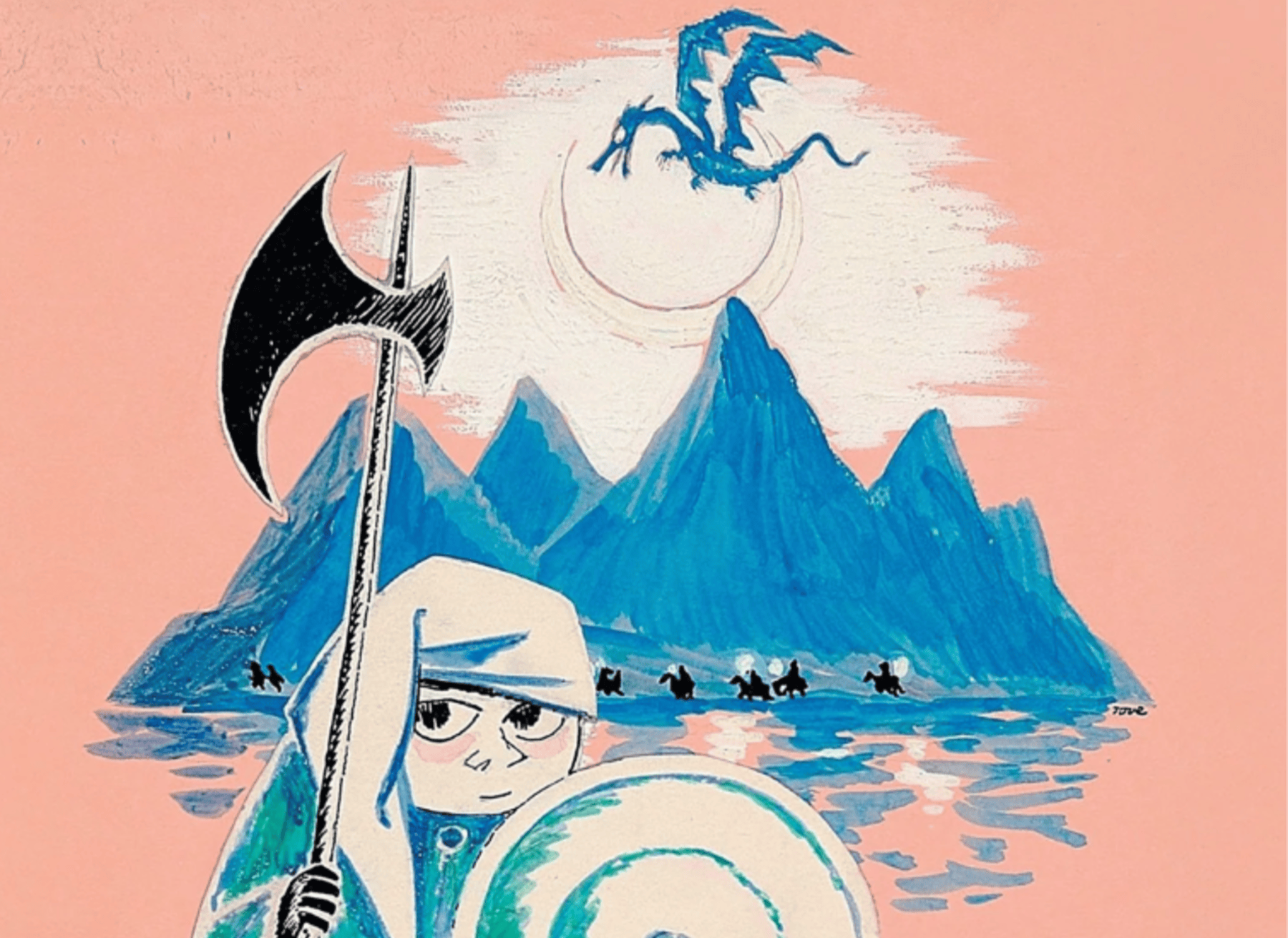
Chief among literary releases this season is the long-awaited United States publication of The Hobbit: Illustrated by Tove Jansson, released this week by William Morrow, an imprint of HarperCollins. While readers in Finland and Sweden have enjoyed access to Jansson’s distinct artistic interpretation of J.R.R. Tolkien’s foundational middle-earth narrative for decades, copyright and international publishing barriers historically kept the edition out of the American market.
Archival records provided by the official Tove Jansson estate outline a fascinating origin story for the project, rooted in correspondence with legendary Swedish author Astrid Lindgren. Writing in her capacity as a publishing professional, Lindgren approached Jansson to commission the artwork, demonstrating remarkable foresight regarding the enduring cultural resonance of Tolkien’s text. In historical letters preserved by literary historians, Lindgren famously predicted to Jansson that Tolkien’s work would become "the children’s book of the century, and will live long after we are dead and buried."
Jansson, internationally renowned as the creator and illustrator of the beloved Moomin franchise, brought a distinct, highly idiosyncratic visual style to Tolkien’s universe. Diverging sharply from the traditional, romanticized illustrations typically associated with high fantasy, Jansson’s renderings feature stark lines, expressive character work, and uniquely stylized interpretations of iconic creatures such as Smaug the dragon and Thorin’s company of dwarves. Literary analysts note that this cross-cultural collaboration between two Scandinavian literary titans represents a significant addition to Tolkien scholarship and collectible publishing.
Television Adaptations and the Resurgence of Maritime Drama
In the realm of serialized television, MGM+ is preparing for the upcoming premiere of its latest historical adventure series, Treasure Island, scheduled to debut on Sunday, October 11. Adapted from Robert Louis Stevenson’s classic 1883 pirate adventure novel, the new production boasts a high-profile cast featuring acclaimed actors David Oyelowo and Hayley Atwell. Despite the pedigree of its principal cast, industry observers have noted the relatively understated promotional campaign surrounding the series’ launch.
The release of MGM+’s Treasure Island arrives amidst a broader cultural reassessment of pirate-themed media and historical nautical dramas. Notably, the Starz television series Black Sails—which ran for four critically lauded seasons from 2014 to 2017 and served as a narrative prequel to Stevenson’s novel—has experienced a sustained second life via streaming platforms, maintaining a dedicated cult following despite arguably receiving less mainstream awards recognition than its production values warranted. The enduring popularity of Black Sails has prompted recurring critical discussions regarding the subsequent career trajectories of its ensemble cast, including performers such as Hannah New and Jessica Parker Kennedy, whose complex portrayals of maritime politics and frontier governance helped define the series’ mature tone.
Concurrent with historical epics, the streaming landscape continues to experiment with high-concept genre television. Netflix recently added Below, a sci-fi monster thriller set in the rugged coastal landscapes of Newfoundland, starring Josh Hartnett and Mackenzie Davis. The series, which features creature-feature elements and atmospheric dread, has drawn mixed to positive notices from major trade publications. Variety characterized the production as "exhilarating," while RogerEbert.com designated it among the year’s standout offerings. Despite minor tonal incongruities noted by critics—such as the casting choices within the family dynamic—the project demonstrates a continued subscriber appetite for atmospheric, serialized genre fiction.
Critical Theory and Speculative Futures: We Radiant Things
In the non-fiction and essay sector, poet and critic Franny Choi has expanded their literary footprint with the publication of We Radiant Things: Notes on Being Alien and Becoming Cyborg, published via Haymarket Books. Choi, whose 2019 poetry collection Soft Science established them as a prominent voice exploring the intersections of technology, marginalized identity, and speculative futures, offers a collection of essays that blend cultural criticism with personal narrative.
The opening chapter of We Radiant Things centers on an analytical and visceral deconstruction of Alex Garland’s 2014 science fiction film Ex Machina. Rather than offering a standard cinematic review, Choi uses the film as a springboard to examine broader societal constructs, including structural racism, the commodification of artificial intelligence, and the psychological mechanics of anger and beauty. Characterizing their critical methodology, Choi writes, "This is the only way I want to do what someone might call criticism: tenderly, from stabbing range." Subsequent chapters in the collection extend this analytical framework to foundational cyberpunk texts such as Ghost in the Shell, cementing Choi’s status as a vital contemporary voice in speculative cultural criticism.
Broader Industry Implications
The convergence of high-profile literary translations, anniversary theatrical runs, and high-budget streaming premieres underscores a dynamic shift in contemporary media consumption. As publishers cross international borders to release archival illustrations by figures like Tove Jansson, and as platforms like MGM+ and Netflix invest heavily in both historical adaptations and high-concept genre pieces, audiences are presented with an increasingly diverse array of choices. Whether consumers choose to navigate the crowded exhibition floors of major fan conventions or engage with critical theory and streaming narratives from home, the cultural marketplace continues to reflect a deep appetite for both nostalgic rediscovery and challenging, contemporary storytelling.