As audiences navigate their weekend leisure schedules, a diverse array of entertainment options continues to capture public interest, spanning open-world video game exploration, modern streaming cinema, fantasy literature revivals, digital archaeology, and high-profile horror television adaptations. Contemporary media consumers are increasingly balancing interactive digital pastimes with traditional storytelling mediums, reflecting shifting patterns in modern entertainment consumption.
The Phenomenon of Open-World Gaming and Digital Escapism
The trend of open-world gaming remains a dominant force in weekend leisure, exemplified by ongoing player engagement with Nintendo’s The Legend of Zelda: Tears of the Kingdom. Released initially to critical acclaim and record-breaking sales—surpassing 10 million copies in its first three days on the market—the title continues to sustain active player communities years after its launch. Industry analysts note that completionist gameplay mechanics, such as armor upgrading systems that require rare material farming like electric lizalfos tails, contribute to long-term player retention. Psychological studies on modern video game consumption suggest that repetitive, goal-oriented tasks within virtual environments often serve as a significant mechanism for stress reduction and decompression among adult demographics, balancing the demands of professional and personal responsibilities.
Contemporary Cinema: Jane Schoenbrun and MUBI
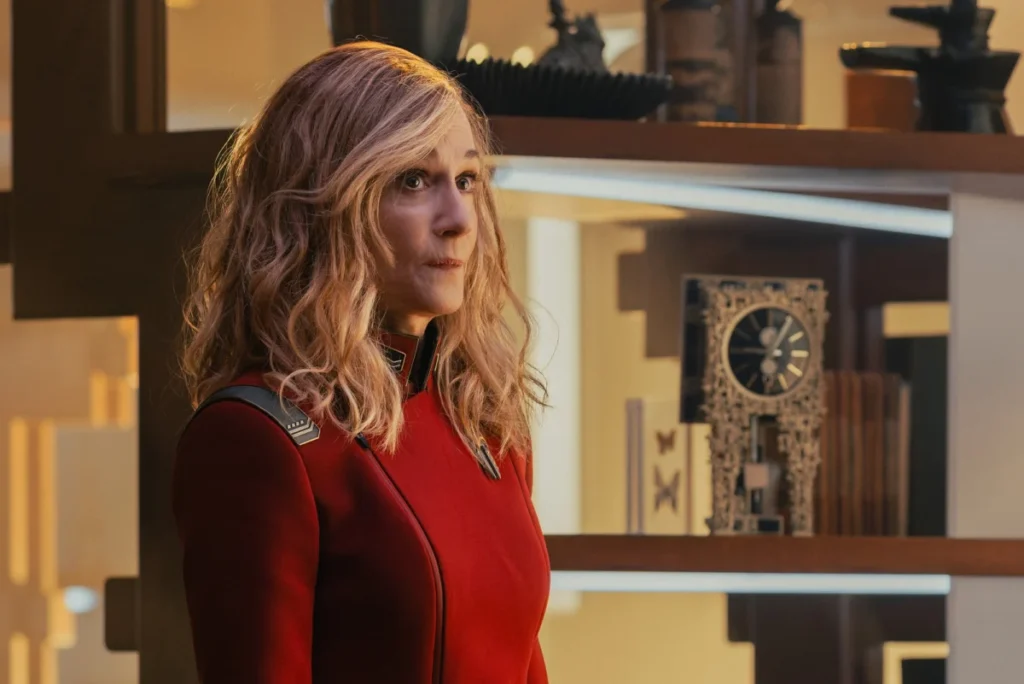
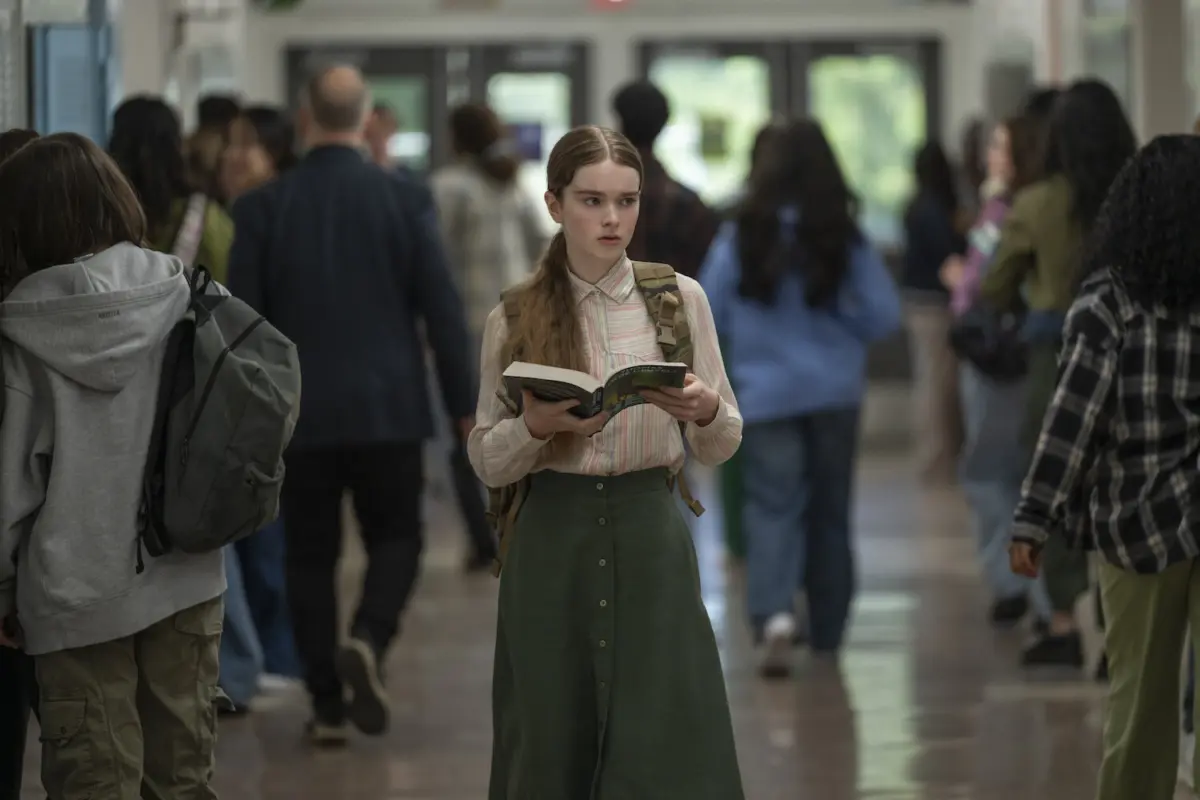
In the sphere of independent cinema, Jane Schoenbrun’s latest directorial work, Teenage Sex and Death at Camp Miasma, has officially arrived on the streaming platform MUBI, expanding accessibility for arthouse audiences. Featuring a notable ensemble cast that includes acclaimed actors such as Gillian Anderson and Jack Haven, the film has generated substantial pre-release discussion across social media and peer-to-peer networks.
The strategic release via MUBI underscores the growing viability of niche, prestige streaming platforms in distributing avant-garde and psychological drama content. Industry observers indicate that platform-exclusive rollouts allow specialized cinema to build sustained momentum through word-of-mouth recommendations, contrasting with the traditional wide theatrical distribution model. Early critical discourse surrounding Schoenbrun’s follow-up projects highlights a broader cultural appetite for challenging, atmospheric narratives that explore identity and memory.
Literary Reimagining: Gregory Maguire’s Expansion of the Oz Universe
The literary landscape continues to experience a resurgence of interest in revisionist fantasy, spearheaded by author Gregory Maguire. Following the 2023 publication of Elphie—a moody, contemplative novel that challenged prevailing skepticism regarding its timing alongside cinematic adaptations of the musical Wicked—Maguire has released Galinda. This companion volume shifts focus to the formative years of the future Good Witch, offering a literary counterpart to the iconic character development familiar to readers of his broader Oz series.
Publishing sector metrics indicate that literary expansions targeting adult crossover audiences remain highly lucrative, particularly when bridging the gap between classic print literature, stage productions, and blockbuster cinematic interpretations. Maguire’s persistent exploration of moral ambiguity in the Land of Oz continues to redefine established folklore for modern readership.
Nostalgia and Animation: The Enduring Legacy of Over the Garden Wall
Seasonal viewing traditions during the autumn months frequently elevate specific animated properties, most notably Patrick McHale’s critically acclaimed miniseries Over the Garden Wall. Originally broadcast on Cartoon Network in 2014, the Emmy Award-winning program has evolved into an annual cultural touchstone for Halloween enthusiasts and animation fans alike.
Media historians attribute the enduring popularity of the ten-episode series to its rich autumnal aesthetic, Americana-infused folk soundtrack, and nuanced blend of whimsical fantasy and subtle existential dread. The absence of direct commercial fatigue has allowed Over the Garden Wall to secure a permanent place alongside classic literary autumn works, such as Maurice Sendak’s 1981 illustrated masterpiece Outside, Over There, reinforcing the commercial and artistic viability of seasonally tailored prestige animation.
Digital Archaeology: The Revival of Usenet Archives
The preservation of early internet history has entered a new phase with the public deployment of digital archival tools such as Usenet-Rewind, a searchable database mapping decades of archived Usenet discussions. Founded as an indexed repository of early computer-mediated communication, the platform allows users to navigate millions of historical forum posts dating back to the foundational eras of the commercial internet.
Technology journalists and cultural historians have analyzed the implications of such archives, noting both the nostalgic appeal for early digital adopters and the complex privacy considerations surrounding permanent digital footprints. Usenet, which served as a primary decentralized discussion system prior to the proliferation of modern web forums and social media platforms, documented the genesis of online fandoms, technological debates, and early subcultural lexicons. The accessibility of these historical records provides researchers with invaluable data regarding the evolution of digital sociology and human communication patterns.
Television Adaptations: Mike Flanagan’s Approach to Carrie
In the television and streaming sector, upcoming adaptations of classic horror literature continue to generate intense scrutiny from industry analysts and fan communities alike. Amazon Prime Video’s upcoming episodic reimagining of Stephen King’s Carrie, helmed by renowned horror creator Mike Flanagan, represents a significant strategic investment in prestige horror television.
Flanagan, recognized for critically acclaimed genre works such as The Haunting of Hill House and Midnight Mass, faces the unique challenge of adapting a foundational text that has already spawned multiple cinematic iterations, most notably Brian De Palma’s 1976 feature film and subsequent adaptations. Industry discussions center on how contemporary adaptations will navigate themes of adolescent alienation, religious fundamentalism, and modern social dynamics, particularly the integration of digital communication and social media into the narrative framework. While ensemble casting announcements have generated substantial early anticipation, critics remain divided on whether continuous re-adaptations of established horror intellectual property overshadow original storytelling within the current television landscape.
Broader Industry Implications and Weekend Leisure Trends
The convergence of these diverse media forms highlights a broader transformation in how weekend leisure and cultural consumption are structured. Audiences increasingly operate within an ecosystem where interactive gaming, subscription streaming services, legacy print literature, digital historical research, and serialized television intersect. As studios, publishers, and digital platforms adapt to changing consumer habits, the valuation of nostalgic intellectual property alongside risk-taking original storytelling remains a central economic driver across the global entertainment industry.