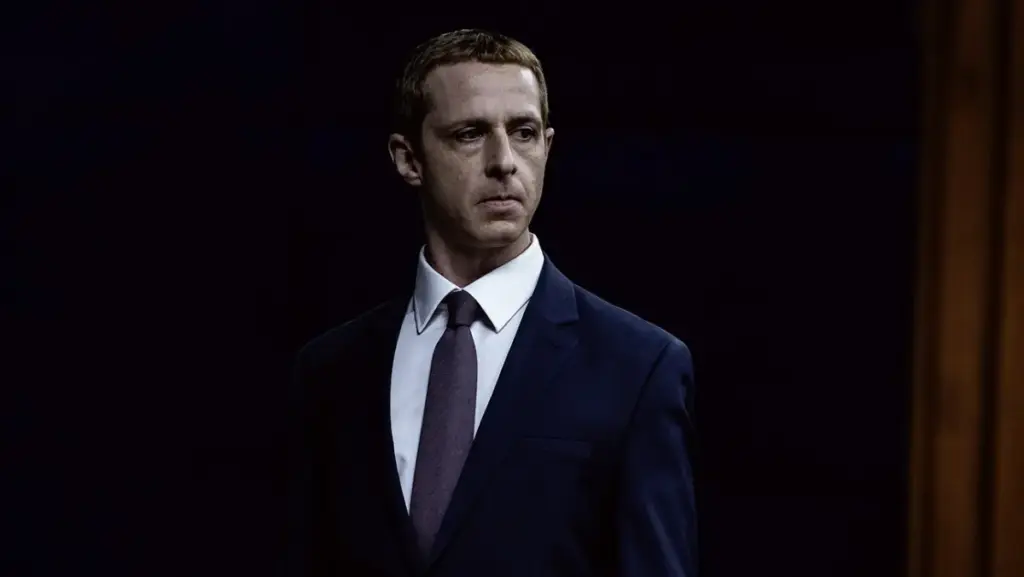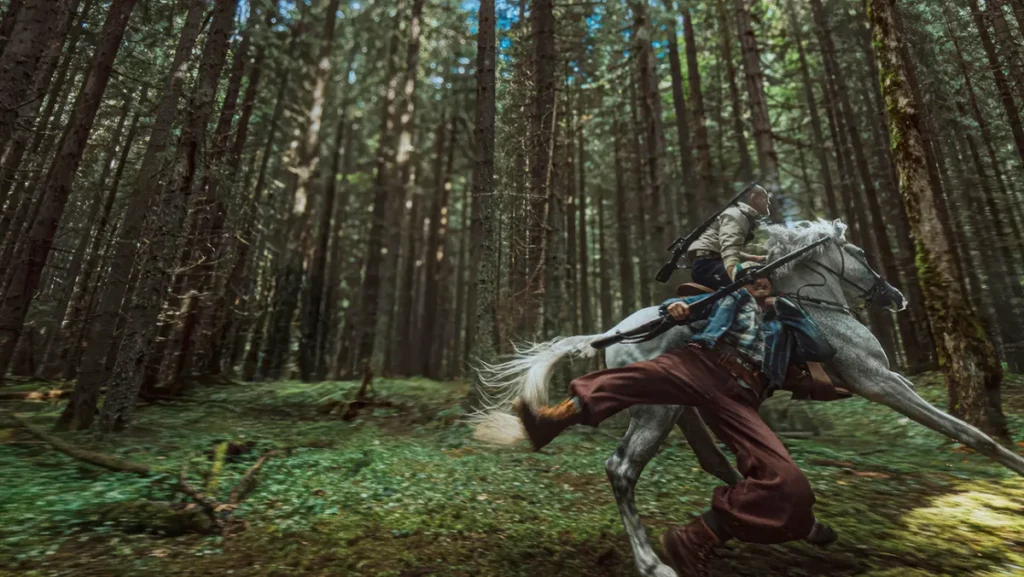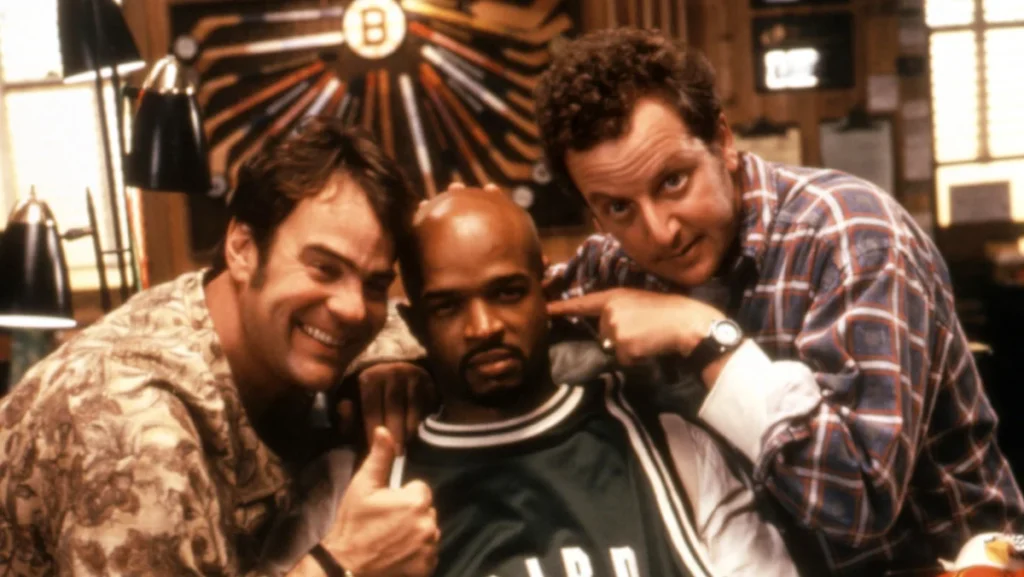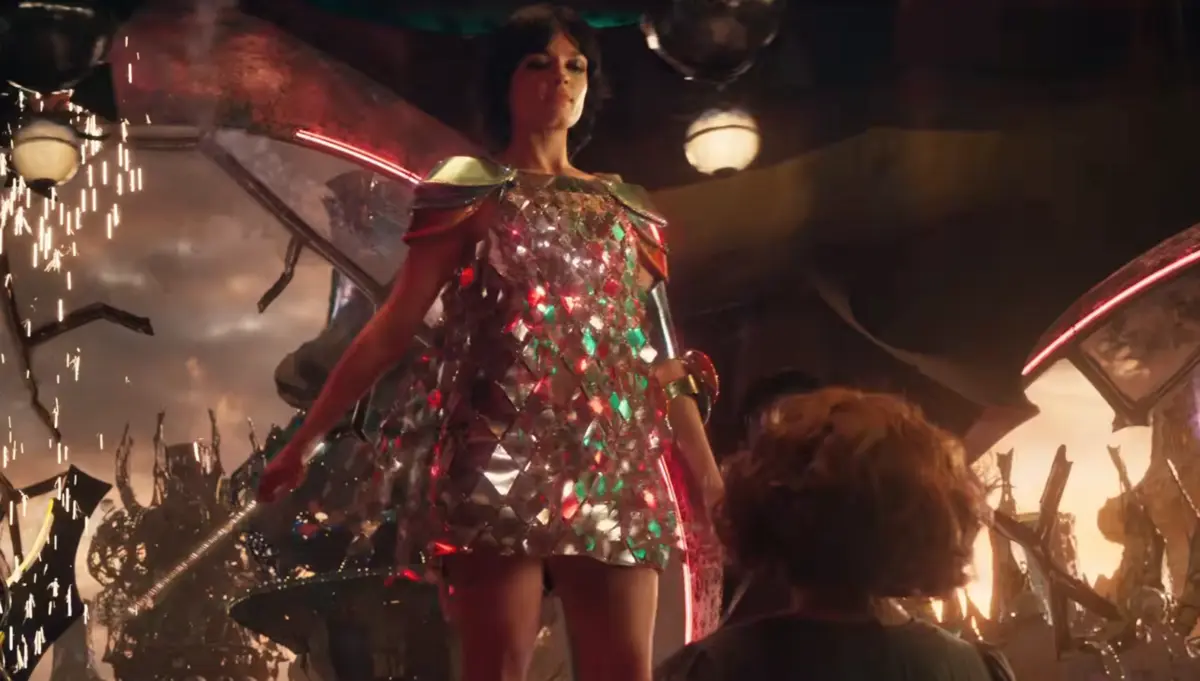
The release of the inaugural trailer for Netflix’s adaptation of C.S. Lewis’s The Magician’s Nephew has ignited a firestorm of discourse across social media platforms, highlighting the precarious nature of reimagining foundational literary works for contemporary audiences. Directed by Greta Gerwig, the project represents a significant financial and creative investment for the streaming giant as it attempts to build a cohesive cinematic universe out of one of the 20th century’s most revered fantasy series. The trailer, which features a bold, high-octane aesthetic set to the classic strains of Led Zeppelin’s Stairway to Heaven, has drawn both intense praise for its ambition and sharp criticism regarding its departure from the established visual and thematic tone of the source material.
A Legacy Reimagined: The Context of the Netflix Deal
The journey to this moment began in October 2018, when Netflix signed a landmark multi-year agreement with The C.S. Lewis Company to develop series and film projects based on all seven books of The Chronicles of Narnia. This deal, valued at an estimated $250 million, marked the first time a single production entity had secured the rights to the entire literary library of the franchise. Following the success of the 2005–2010 film series produced by Disney and Walden Media, which grossed over $1.5 billion at the global box office, the pressure on Netflix to establish a distinct, sustainable identity for the intellectual property has been immense.
Greta Gerwig, fresh off the record-breaking global success of Barbie—which grossed $1.44 billion—was officially tapped to lead the creative direction for the franchise in 2023. Her involvement, while celebrated by many in the industry for her stylistic flair and narrative depth, has been a point of contention for some traditionalist fans of Lewis’s work. The casting of Meryl Streep as the voice of Aslan, the central Christ-figure of the series, served as the first major flashpoint for conservative critics who argued that the choice signaled a move away from the theological gravity of the original texts.
Chronology of Production and Development
The production timeline for this ambitious endeavor has been marked by a slow, meticulous development process. After years of silence following the 2018 announcement, the hiring of Gerwig signaled a shift toward a more auteur-driven approach.
- October 2018: Netflix announces the acquisition of the Narnia rights.
- July 2023: Greta Gerwig is confirmed to write and direct at least two films in the series.
- January 2025: Casting is finalized, featuring a diverse ensemble including David McKenna, Beatrice Campbell, Emma Mackey, and Carey Mulligan.
- February 2025: The first official teaser trailer is released, generating immediate and polarized reactions.
- February 12, 2027: The scheduled theatrical and IMAX release date.
By choosing The Magician’s Nephew as the launching point—a prequel that explores the origins of Narnia, the creation of Aslan’s world, and the arrival of the White Witch—Netflix has opted for a narrative foundation that requires significant world-building. This decision is reflected in the trailer’s visual language, which leans heavily into high-concept, kaleidoscopic imagery.
Analysis of the Visual Style and Public Reaction
The primary source of contention surrounding the trailer lies in its stylistic divergence from previous adaptations. Many viewers on platforms such as X (formerly Twitter) and Reddit have compared the visual palette to the "Marvelization" of fantasy, citing bright, neon-infused colors and heavy CGI that contrast with the more grounded, pastoral settings found in older adaptations.
Comparisons to Thor: Love and Thunder and the Guardians of the Galaxy franchise have appeared frequently in online discourse. Critics argue that the vibrant, almost psychedelic aesthetic detracts from the "mythic" feel of Narnia. Conversely, proponents of the trailer have praised Gerwig’s willingness to embrace a surreal, dream-like quality. They argue that the book—which involves travel between different worlds, including the wood between the worlds—is inherently psychedelic and that the new look serves the narrative better than a literalistic approach.
"The trailer feels like a bridge between the classic sensibilities of 1980s fantasy films like Labyrinth and the modern, high-budget spectacle of contemporary blockbusters," noted one media analyst. "It is a bold choice, and in the current climate, boldness is often interpreted as either genius or heresy."
Data-Driven Industry Implications
The commercial viability of this adaptation hinges on Netflix’s ability to attract both legacy fans and new audiences. According to recent data from market research firms, fantasy franchises currently face a "saturation fatigue," where audiences are increasingly critical of CGI-heavy blockbusters. For Netflix, which is looking to bolster its theatrical footprint, the decision to release The Magician’s Nephew in IMAX suggests they are positioning this not just as a streaming release, but as a tentpole event.
However, the cost of such high-end visual effects (VFX) is substantial. If the film fails to convert the massive digital engagement into ticket sales, it could raise questions about the long-term sustainability of the $250 million investment. Early sentiment tracking indicates that while negative reactions are vocal, the overall engagement rate for the trailer is in the top 5% of all streaming service trailers released in the last quarter, suggesting that the controversy itself is driving massive awareness.
Official Responses and Creative Intent
While Netflix has not issued a formal rebuttal to the criticism, sources close to the production indicate that Gerwig’s goal was never to replicate the past. "The intention is to treat Narnia as a living, evolving mythology rather than a static piece of period fiction," an industry insider stated. The choice to include music from Led Zeppelin, a band known for its own mythological, rock-opera sensibilities, reinforces the director’s desire to infuse the series with a modern, rebellious energy.
The cast, which includes veteran actors like Ciarán Hinds, Daniel Craig, and Meryl Streep, has remained largely quiet, focusing on the character-driven elements of the film. Their involvement is widely seen as a vote of confidence in the script, which reportedly emphasizes the psychological growth of the protagonists as they navigate the transition from Victorian England to the magical realm of Narnia.
Broader Impact and Future Outlook
The controversy surrounding the Narnia trailer serves as a case study in the challenges of adapting beloved IP in the age of social media. The "culture war" aspect of the discourse—centering on the casting of Aslan and the perceived shift in the series’ tone—is unlikely to dissipate before the 2027 release date.
From a broader industry perspective, the success of The Magician’s Nephew will likely determine the trajectory of other upcoming fantasy adaptations. If the film succeeds, it will prove that audiences are willing to accept radical reinterpretations of classic stories. If it fails, it may signal a return to more conservative, traditional approaches in the genre.
As Netflix prepares for the long lead-up to the 2027 premiere, the company faces a dual mandate: honoring the deep-seated emotional connection millions of readers have with C.S. Lewis’s work while simultaneously creating a franchise that feels fresh, relevant, and capable of competing in a saturated cinematic landscape. Whether this "glittery glam rock" take on Narnia becomes a benchmark for the next decade of fantasy cinema or a cautionary tale of creative overreach remains to be seen. For now, the audience reaction confirms one thing: the conversation around Narnia is as vibrant and contentious as it has ever been.