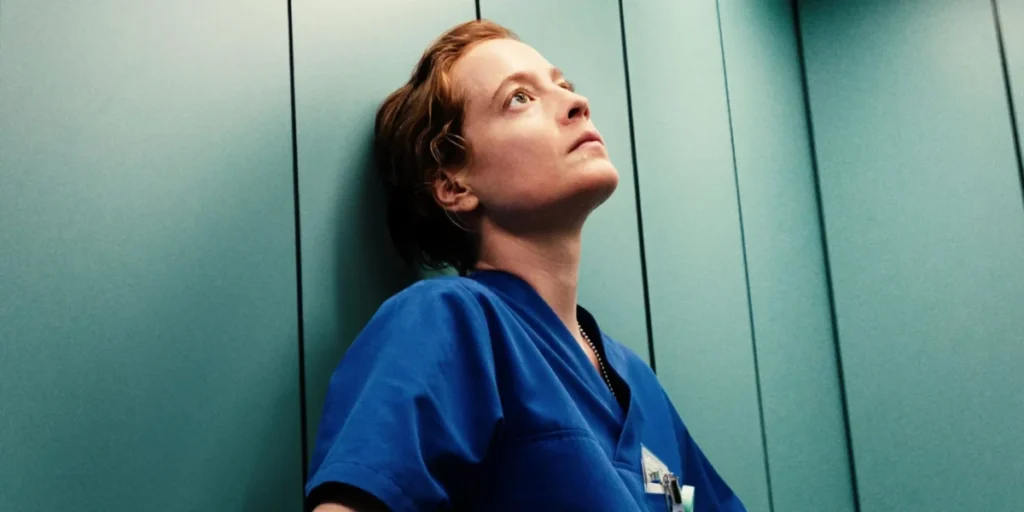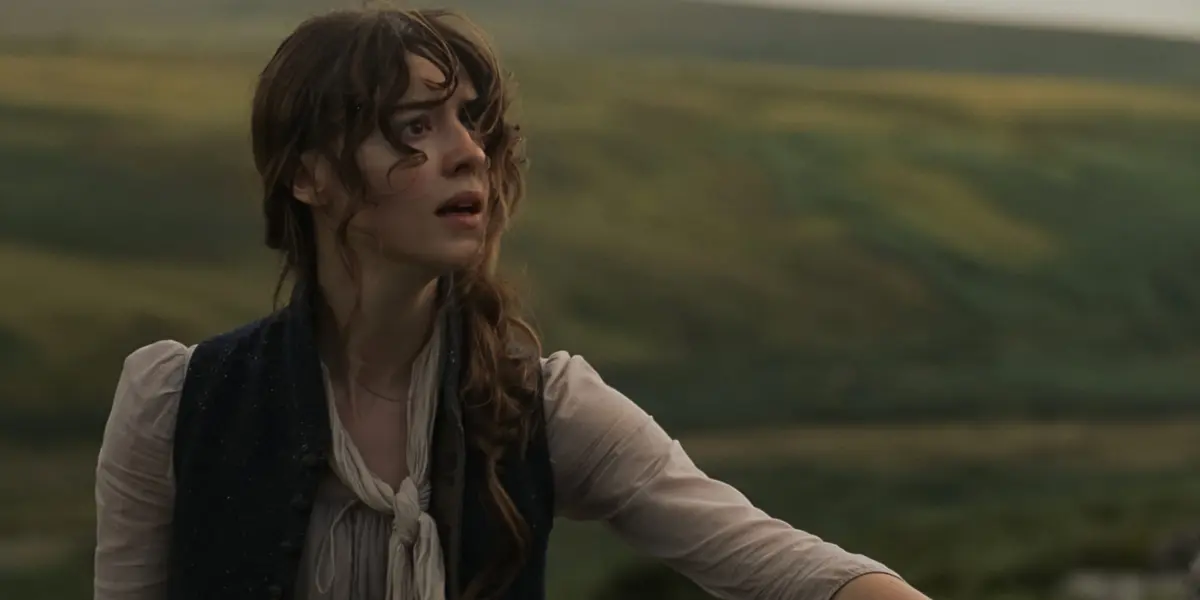
Jane Austen’s timeless 1811 novel Sense and Sensibility has once again made its way to the silver screen, courtesy of Focus Features, in a 2026 cinematic adaptation that reinterprets the classic tale for contemporary audiences. Directed by acclaimed filmmaker Georgia Oakley from a meticulously crafted screenplay by Diana Reid, the period romantic drama explores the enduring themes of sisterhood, social expectation, heartbreak, and resilience. As the film secures its theatrical release, key creative figures behind the project—including lead star Daisy Edgar-Jones and director Georgia Oakley—have opened up about the intensive process of translating Austen’s intricate social critique and emotional landscape into a modern cinematic language.
The narrative of Sense and Sensibility centers on the Dashwood sisters—Elinor and Marianne—alongside their younger sibling and widowed mother. Following the sudden death of their family patriarch, the Dashwood women find themselves legally and financially displaced from their ancestral Sussex estate, Norland Park, due to restrictive inheritance laws of the early 19th century. Forced to relocate to Barton Cottage in Devonshire, a humble dwelling provided by a generous relative, the sisters navigate the trials of a rigid British class system while coping with profound personal loss. Elinor, the embodiment of "sense," suppresses her own deep emotional turmoil to steady her family, while Marianne, representing "sensibility," surrenders entirely to passionate, sometimes reckless, romantic ideals. Their respective journeys intertwine with a stellar ensemble cast, featuring Daisy Edgar-Jones as Elinor Dashwood, Esmé Creed-Miles as Marianne Dashwood, Caitríona Balfe as Mrs. Dashwood, Frank Dillane as John Willoughby, Herbert Nordrum as Colonel Brandon, George MacKay as Edward Ferrars, and Fiona Shaw as Mrs. Jennings.
The Development and Production Timeline
The path to bringing this iteration of Sense and Sensibility to theaters involved years of development, casting refinement, and careful historical consultation. While cinematic and television adaptations of Austen’s work are frequent—most notably Ang Lee’s celebrated 1995 film adaptation scripted by and starring Emma Thompson—Oakley and Reid’s 2026 version distinguishes itself through a fresh thematic lens tailored to modern perspectives on female autonomy and emotional expression.
Development on the project officially began several years prior to its theatrical debut, with Focus Features acquiring distribution rights to back Oakley’s ambitious vision. Pre-production ramped up significantly as costume designers, historical consultants, and location scouts worked in tandem to recreate the stark contrast between the opulence of Regency-era landed gentry estates and the rustic charm of modest rural cottages. Principal photography took place across historic English estates and countryside locations, utilizing natural lighting and period-accurate set design to ground the psychological realism of Austen’s characters.
Casting announcements rolled out progressively, generating substantial anticipation among literary enthusiasts and film critics alike. The pairing of Daisy Edgar-Jones—widely recognized for her critically acclaimed performances in Normal People and Where the Crawdads Sing—with rising talent Esmé Creed-Miles signaled a dynamic generational shift for the central sibling dynamic. Meanwhile, the supporting cast brought together a blend of established prestige actors, including Caitríona Balfe and Fiona Shaw, alongside versatile leading men like George MacKay and Frank Dillane.
Behind the Scenes: Cast and Director Insights
To promote the theatrical release, members of the cast and creative team engaged in extensive press discussions, notably appearing on platforms such as the Next Best Picture Podcast to dissect the emotional demands of their respective roles. In an in-depth conversation with interviewers, Daisy Edgar-Jones explored the psychological depth required to play Elinor Dashwood, a character defined by her stoicism and relentless sense of duty. Edgar-Jones noted that while modern culture often encourages the immediate vocalization of feelings, exploring Elinor’s internal repression offered a fascinating masterclass in subtlety and non-verbal communication.

Simultaneously, director Georgia Oakley discussed her directorial approach in separate interviews, emphasizing the importance of making Austen’s work feel urgent and relatable to younger generations without sacrificing historical fidelity. Oakley explained that the collaboration with screenwriter Diana Reid was vital in sharpening the narrative’s focus on female solidarity. Rather than reducing the female characters to mere romantic objects within a Regency-era marriage market, the 2026 adaptation highlights the economic vulnerabilities and emotional interdependence of women navigating a patriarchal society with limited legal rights.
The Supporting Performances and Ensemble Dynamics
A critical pillar of the film’s reception lies in its carefully curated ensemble, each actor bringing a distinct texture to Austen’s archetypal characters. Esmé Creed-Miles delivers a fiery portrayal of Marianne, whose youthful idealism and subsequent heartbreak serve as the emotional counterweight to Edgar-Jones’s measured composure. The chemistry between the on-screen sisters forms the emotional anchor of the movie, resonating deeply with viewers familiar with the complex bonds of sibling relationships.
Caitríona Balfe provides a grounding maternal presence as Mrs. Dashwood, capturing the quiet desperation of a mother attempting to secure the futures of her daughters in a society where female financial independence was virtually non-existent. On the romantic front, George MacKay portrays the reserved and steadfast Edward Ferrars with a gentle humility, while Frank Dillane brings a charismatic yet morally ambiguous energy to the role of John Willoughby. Herbert Nordrum rounds out the primary romantic arcs as the brooding, reliable Colonel Brandon, whose patience and quiet devotion challenge Marianne’s initial infatuation with superficial charm. Fiona Shaw injects much-needed levity and societal gossip into the narrative as the gregarious Mrs. Jennings, providing comedic relief amidst the dramatic trials of the Dashwood family.
Broader Impact and Cultural Implications
The release of Focus Features’ Sense and Sensibility arrives at a time of renewed interest in classical literature adaptations that prioritize psychological nuance and feminist revisionism. By re-examining the text through a 21st-century lens, the filmmakers have sparked broader cultural conversations about the parallels between Regency-era economic precarity and contemporary anxieties surrounding financial independence, housing stability, and emotional labor.
Industry analysts have closely monitored the box office performance and critical reception of period dramas in the current theatrical landscape. While superhero franchises and high-concept blockbusters frequently dominate multiplexes, mid-budget literary adaptations continue to occupy a crucial niche, appealing to adult audiences seeking character-driven storytelling. The involvement of recognizable contemporary stars like Edgar-Jones and MacKay serves as a strategic bridge, drawing younger demographic cohorts into theaters who might otherwise bypass classic period adaptations.
Furthermore, the extensive companion media—ranging from exclusive podcast interviews with the director and cast to detailed breakdowns of the film’s production design—reflects modern studio marketing strategies. By utilizing independent and specialized cinematic networks to foster direct engagement between creators and audiences, Focus Features has cultivated sustained grass-roots enthusiasm for the project.
As Sense and Sensibility continues its theatrical run, its legacy will likely be measured by its ability to breathe new life into a centuries-old text, proving that Jane Austen’s observations on human nature, love, grief, and family remain as vital and illuminating today as they were upon the novel’s initial publication over two centuries ago.