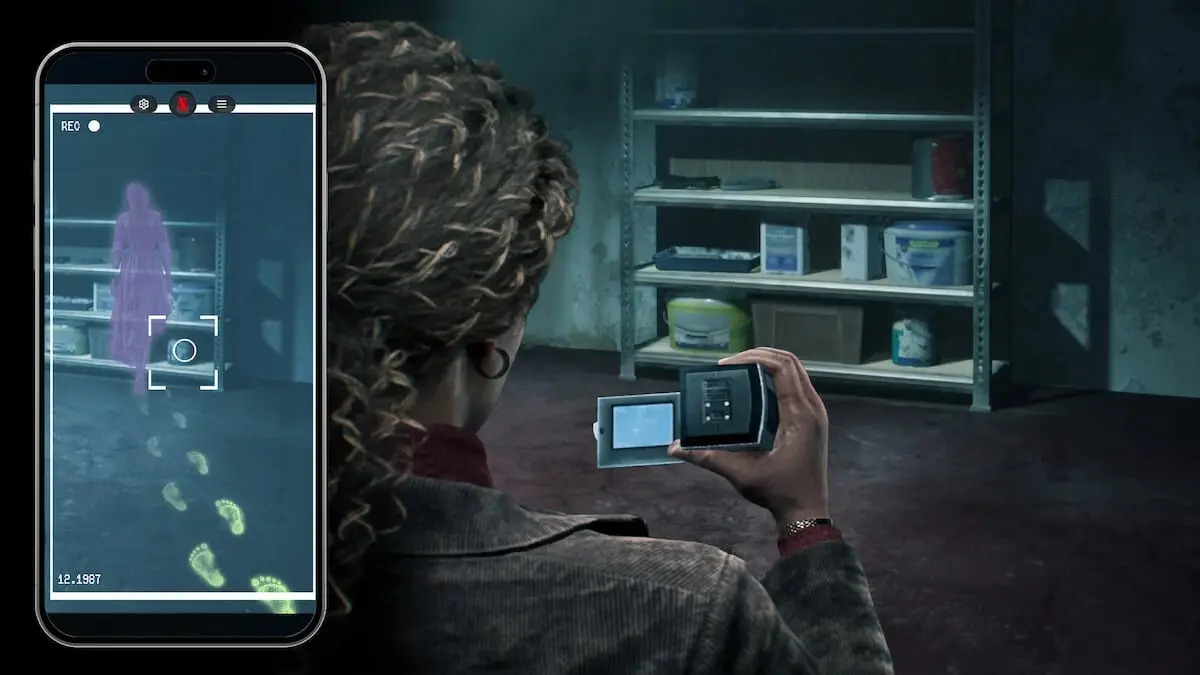
Netflix has officially expanded its growing portfolio of interactive entertainment with the release of The Conjuring: Unspoken, a narrative-driven horror game developed in collaboration with Supermassive Games. The title, which leverages the established intellectual property of The Conjuring cinematic universe, marks a significant shift in how streaming platforms integrate mobile hardware with narrative storytelling. By utilizing a smartphone as a primary controller and an in-game investigative tool, the project attempts to bridge the gap between passive viewing and active participation.
The Premise and Narrative Foundation
The game centers on the character of Francesca Noakes, an investigator tasked with de-escalating a volatile supernatural presence at the historic Red Lion Inn. Unlike traditional horror narratives that rely on a prolonged "discovery phase" regarding the reality of the supernatural, The Conjuring: Unspoken operates on the premise that the haunting is already established. The central conflict involves a grieving family struggling to protect eight-year-old Bryony Cooper, who has become the primary target of malevolent entities.
The narrative introduces a two-tiered threat: the lingering spirit of Florrie, a historical figure depicted as a victim of domestic violence, and Vinea, a high-level entity identified as one of the 72 Goetic demons from the Lesser Key of Solomon. This inclusion of specific occult lore mirrors the investigative methodology often associated with the Warrens, the real-life paranormal investigators who serve as the foundation for the broader Conjuring film franchise.

Technological Integration and Mobile Mechanics
Supermassive Games, a studio previously recognized for high-profile interactive cinematic titles such as Until Dawn, The Quarry, and the Dark Pictures Anthology, has implemented a unique control scheme for this release. The core mechanic requires players to use their mobile devices as an extension of the game world.
The smartphone touchscreen functions as an interface for ghost-hunting equipment, including an EMF (electromagnetic field) reader, an infrared camera, and a radio frequency scanner. By utilizing the device’s internal sensors, the game transforms the player’s physical environment into an interactive space. For instance, the haptic feedback on the phone intensifies as the player nears a "point of interest," while the infrared camera functionality requires the player to physically maneuver the device to locate thermal anomalies. This design choice aims to foster a sense of immersion by removing the distance typically created by traditional handheld controllers.
Chronology and Development Context
The development of The Conjuring: Unspoken follows a series of strategic initiatives by Netflix to diversify its gaming division. Following the success of previous interactive experiments like Unhinged, Netflix has sought to refine its "interactive movie" format. The development timeline for this project aligns with the studio’s ongoing push to move beyond simple trivia games and into complex, branching narrative structures.
While the game retains the branching path philosophy typical of Supermassive’s previous work—where player choices influence character survival, trust levels, and the eventual resolution of spirits—early assessments suggest a more linear progression than the studio’s console-based titles. This structural shift reflects the constraints and goals of the mobile-first, short-form interactive medium, prioritizing narrative pacing over expansive, non-linear exploration.

Analysis of Occult Accuracy and Lore
A notable aspect of the game’s production is its commitment to historical and occult accuracy, particularly regarding the depiction of the demon Vinea. In the Lesser Key of Solomon, Vinea is described as a powerful king and earl, appearing as a lion with a viper’s tail. The game’s character design and the accompanying in-game research notes demonstrate a high level of fidelity to these traditional texts.
For the production team, the inclusion of such details serves a dual purpose: it grounds the horror in established, albeit esoteric, mythology, and it provides a layer of depth for players interested in the "investigator" aspect of the roleplay. By including a digital iteration of the Lesser Key of Solomon within Francesca’s inventory, the developers encourage a level of engagement that transcends the screen, effectively gamifying the process of occult research.
Market Implications and Future Outlook
The release of The Conjuring: Unspoken serves as a case study for the integration of intellectual property into interactive mobile formats. By leveraging a high-recognition horror brand, Netflix is attempting to capture both the film franchise’s massive audience and the demographic that favors shorter, episodic gaming experiences.
However, the industry response to this format remains nuanced. Critics have noted that while the technical implementation of the phone-as-controller is innovative, the narrative remains strictly guided. The lack of branching endings compared to console giants like The Quarry may limit the game’s replayability. Furthermore, the effectiveness of the "scares" is inherently subjective; while the atmospheric building blocks—grief, isolation, and demonic entities—are traditional staples of the genre, the interactive format sometimes risks diluting the tension by prioritizing mechanical inputs over cinematic pacing.

Strategic Objectives for Netflix Gaming
Netflix’s long-term strategy involves turning its subscription base into a multifaceted entertainment ecosystem. The company has invested heavily in internal studios, including those tasked with creating "Netflix Stories," which aim to keep users engaged within the app for longer periods. The Conjuring: Unspoken acts as a bridge between the company’s film content and its gaming aspirations.
By utilizing the "Warren" brand—represented in the game by a letter of encouragement from the famous pair—the title gains immediate legitimacy among horror enthusiasts. The decision to keep the experience concise, rather than stretching it into a massive, multi-hour saga, suggests that Netflix is testing a "snackable" model of horror gaming. This model is designed to be accessible to casual users who may not possess gaming consoles but own modern smartphones.
Conclusion and Future Trajectory
The Conjuring: Unspoken stands as a sophisticated, albeit focused, entry in the interactive horror genre. Its success hinges not on its capacity to redefine the horror experience, but on its ability to make the player feel like a functional participant in the investigative process. While it may not reach the level of terror or branching complexity seen in major console releases, its use of haptic feedback, physical movement, and authentic occult research provides a unique experience for the mobile gaming market.
Moving forward, the industry will likely monitor how Netflix continues to iterate on this model. The challenge remains in balancing the "cinematic" quality of the experience with the need for player agency. As the platform continues to iterate, the lessons learned from the Red Lion Inn and the investigation of Vinea will undoubtedly inform future attempts to merge the worlds of high-budget film production and interactive mobile gaming. Whether this becomes a permanent fixture of the platform or a transitional experiment will depend on the sustained engagement metrics of titles like this one.