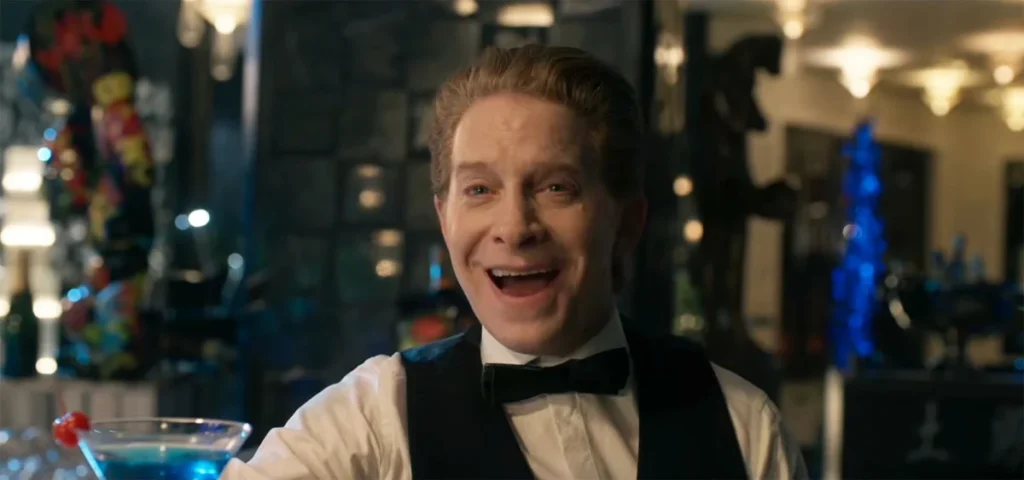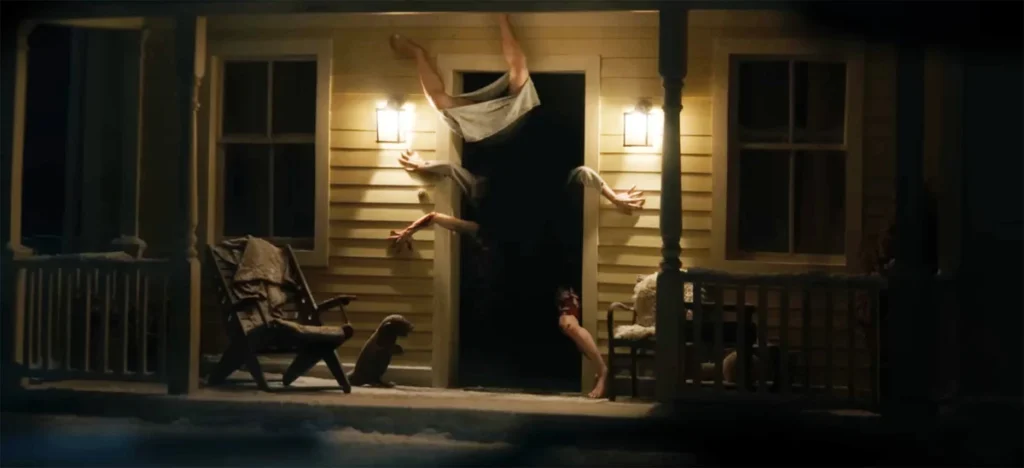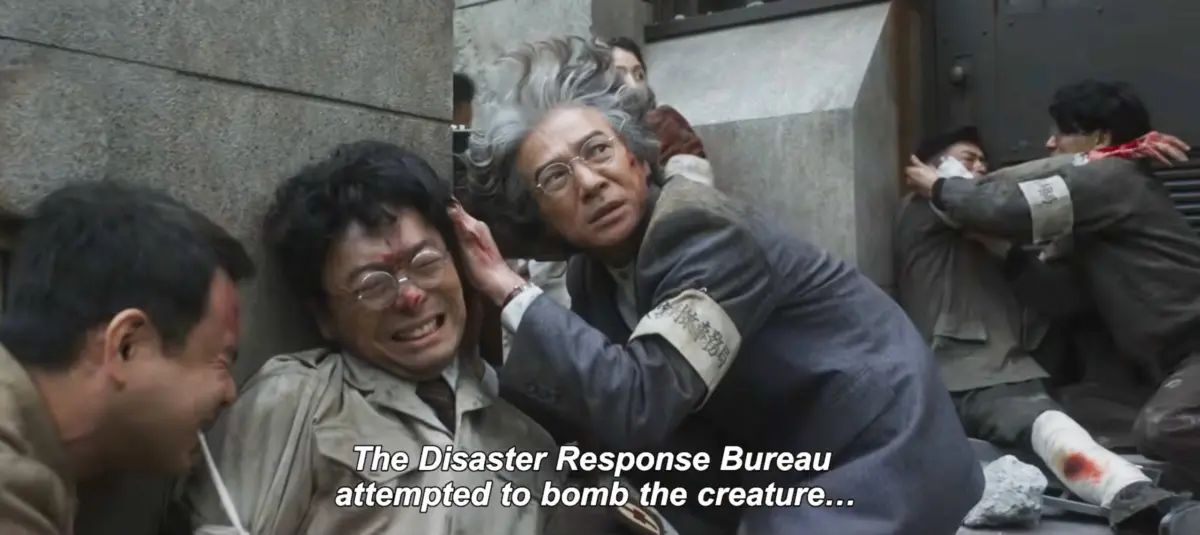
Toho and GKIDS have released the final official trailer for Godzilla Minus Zero, the highly anticipated sequel to Takashi Yamazaki’s Academy Award-winning blockbuster Godzilla Minus One. Set to stomp into theaters worldwide this November, the upcoming sci-fi feature continues the harrowing narrative of post-war Japan grappling with both geopolitical reconstruction and unfathomable ecological devastation. True to the marketing strategy employed for the previous installments, the newly unveiled promotional footage purposefully keeps the King of the Monsters hidden, choosing instead to focus on the human toll, atmospheric dread, and the introduction of a mysterious new kaiju threat.
Main Facts and Plot Overview
Godzilla Minus Zero picks up the narrative thread in the year 1949, exactly two years after the tumultuous events depicted in Godzilla Minus One. The setting places war-torn Tokyo in a fragile state of recovery, with American occupation forces actively assisting local infrastructure efforts. However, this fragile peace is violently disrupted as the Shikishima family faces an all-new national calamity.

The tagline featured prominently in the latest trailer—“Weapons that require a sacrifice… they know all about it!”—points toward the heavy psychological and physical costs the characters must endure. Returning principal cast members include Ryunosuke Kamiki as the traumatized yet resilient Koichi Shikishima and Minami Hamabe as Noriko Oishi, who miraculously survived the devastating atomic devastation of the initial Tokyo attack.
They are joined by a returning supporting ensemble featuring Miou Tanaka, Sakura Ando, Hidetaka Yoshioka, Yuki Yamada, and Kuranosuke Sasaki. These characters, having forged a bond through shared survival in the first film, stand once again on the front lines of defense against a catastrophe that appears to involve more than just Godzilla alone.
Chronology and Production History
The developmental timeline of Godzilla Minus Zero is closely tied to the historic international success of its predecessor. Godzilla Minus One made cinematic history by becoming the first film in the legendary Toho franchise to win an Academy Award, taking home the Oscar for Best Visual Effects at the 96th Academy Awards in 2024. Following that monumental triumph, director Takashi Yamazaki immediately began developing a follow-up, aiming to maintain the grounded, dramatic resonance that critics and audiences praised in the original film.

Production on the sequel was spearheaded by Toho Studios and Robot Communications, with Kazuaki Kishida serving as producer. Demonstrating a remarkable level of creative control, Yamazaki not only wrote and directed the feature but also personally spearheaded the visual effects department, ensuring a seamless continuation of the aesthetic style that won critical acclaim. Composer Naoki Satō also returns to craft the orchestral score.
The rollout for the sequel began earlier this year with a series of cryptic teasers and an IMAX-focused trailer, steadily building global anticipation. The promotional cycle culminates with the final trailer release on October 11, 2026, ahead of a high-profile premiere at the 2026 New York Film Festival. North American distributor GKIDS has scheduled the wide theatrical release for November 6, 2026.
Supporting Data and Marketing Strategy
The marketing campaign for Godzilla Minus Zero has deliberately diverged from contemporary Hollywood blockbuster standards by withholding full reveals of the titular creature. While modern trailers frequently showcase entire action sequences and principal monster set-pieces, Yamazaki and the distribution teams at Toho and GKIDS have relied on atmosphere, dialogue, and suspense.

By keeping the actual kaiju footage obscured in all trailers—including the final preview—the production has relied heavily on the goodwill generated by Godzilla Minus One, which grossed over $115 million worldwide against a modest estimated budget. This financial success proved that audiences outside of Japan were deeply receptive to period-piece kaiju dramas that prioritize character development and thematic weight over mindless destruction. The upcoming sequel inherits this consumer trust, with pre-ticket sales tracking strongly ahead of the November release date.
Official Responses and Creative Vision
Director Takashi Yamazaki has frequently emphasized that the emotional core of his cinematic universe rests on the human characters rather than the computer-generated spectacles. In interviews following the success of the first film, Yamazaki noted that portraying the aftermath of World War II provided a necessary thematic anchor that elevated the monster genre from simple creature feature entertainment to a meaningful exploration of national trauma, guilt, and resilience.
GKIDS, known primarily for distributing acclaimed international animation and specialized live-action cinema, has taken a major commercial step in partnering with Toho to give Godzilla Minus Zero a wide North American theatrical footprint. Representatives for GKIDS have expressed immense confidence in the project, noting that the crossover appeal established by the previous film has transformed the Japanese-language franchise into a premier global event.

Broader Impact and Industry Implications
The release of Godzilla Minus Zero carries significant implications for the global film industry, particularly concerning the viability of non-English language blockbusters in Western theatrical markets. Godzilla Minus One shattered conventional distribution ceilings, proving that subtitled foreign films could achieve mainstream box office success in North America without requiring English-language remakes or watered-down adaptations.
Furthermore, the film cements Toho’s modern strategy of balancing two distinct Godzilla properties: the Hollywood-produced MonsterVerse films by Legendary Entertainment, and Toho’s prestige-driven Japanese productions. While the American films lean heavily into sci-fi spectacle and shared universes, Yamazaki’s directorial entries focus on historical context, somber drama, and allegorical resonance akin to the original 1954 Ishirō Honda masterpiece.
As Godzilla Minus Zero prepares to hit global screens this November, expectations are exceptionally high. Whether the sequel can match or exceed the critical acclaim and box office achievements of its predecessor remains one of the most closely watched storylines of the autumn film season. With a returning cast, an expanded narrative scope, and an uncompromising directorial vision, Toho’s latest venture is poised to redefine the standards of modern monster cinema once again.