The animated landscape of modern science fiction television changed permanently in September 2022 with the unexpected global phenomenon that was Cyberpunk: Edgerunners. Developed collaboratively by Polish game developer CD Projekt Red and renowned Japanese animation house Studio Trigger, the ten-episode series became a critical darling and a massive commercial success on Netflix. It not only revitalized interest in CD Projekt Red’s video game, Cyberpunk 2077, but also established a new benchmark for video game adaptations. Now, with the official rollout of Cyberpunk: Edgerunners 2, the franchise returns to the chaotic, neon-drenched expanse of Night City under the stewardship of new showrunner Bartosz Sztybor.
Having previously served as a writer and producer on the inaugural chapter before expanding the intellectual property through various comic book iterations, Sztybor has stepped into the primary creative role. Partnering with director Kai Ikarashi of Studio Trigger, the creative team has constructed a narrative that maintains the emotional gravity, stylistic audacity, and thematic resonance of its predecessor while aggressively carving out its own distinct visual and philosophical identity. In a recent extensive interview, Sztybor detailed the intellectual influences, narrative inversions, and meticulous craftsmanship that went into building this latest animated spectacle.
Reversing the Trajectory: From Hero to Zero in Night City
The foundational engine driving the narrative of Cyberpunk: Edgerunners 2 required a radical pivot from the narrative structure of the first season. While the original series chronicled the tragic, meteoric rise of David Martinez—a classic "zero-to-hero" arc that ultimately ended in profound devastation—Sztybor envisioned an inverse path for the follow-up chapter.
"I had an idea while writing season one, and I already knew it should be season two," Sztybor explained. "David’s story, but in reverse. So we have zero to hero, and now let’s tell a story of hero to zero."
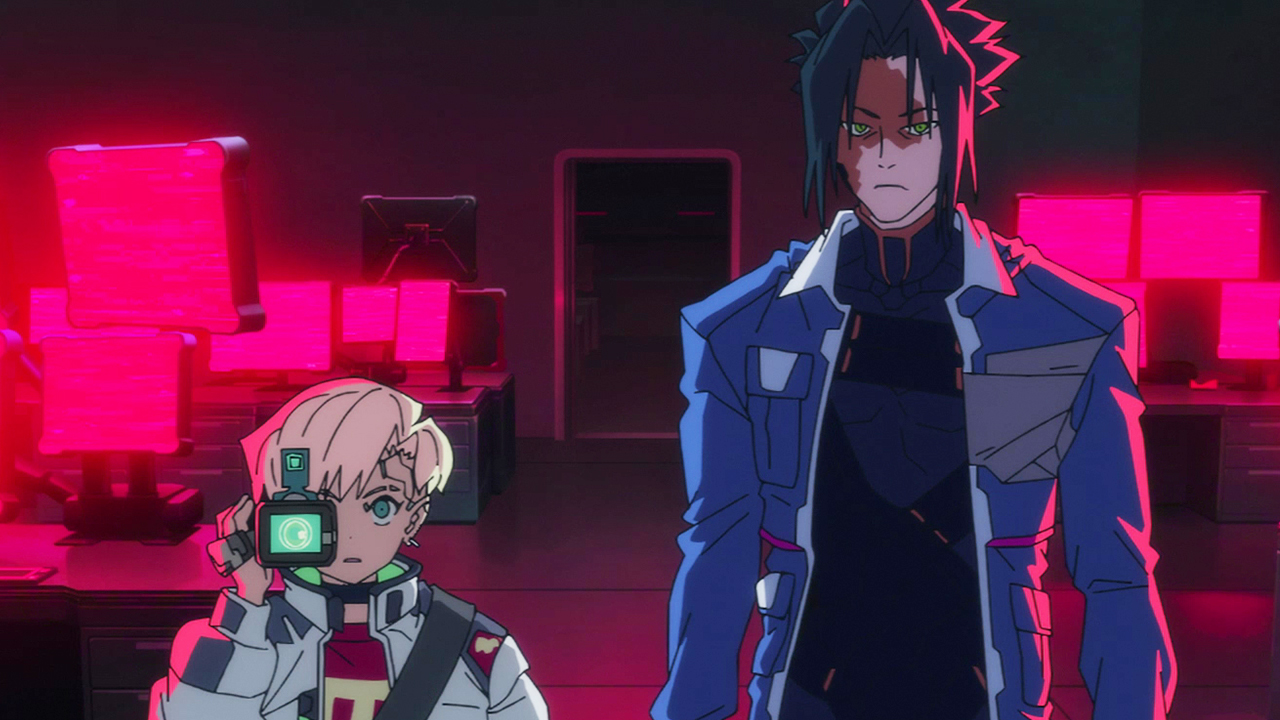
Rather than killing off the protagonist at the peak of their powers, the showrunner pondered a darker, more protracted hypothetical scenario: what if a high-ranking mercenary survived for a decade or two in the unforgiving dystopia of Night City? The conclusion reached was that survival in such an environment is inherently cursed. Consequently, the new season introduces a celebrated veteran edgerunners who suffers from cyberpsychosis, loses all of his high-end cybernetic enhancements—his "chrome"—and is forced into a humiliating and perilous process of starting over from scratch.
This structural inversion allows the series to maintain a continuous dialogue with the events and motifs of the first season. By mirroring specific situations and staging similar emotional beats within drastically altered contexts, the production creates a thematic continuum. Where David Martinez’s journey was fundamentally about adolescent identity formation and self-discovery, the new protagonist, Weak Kingsley, confronts a radically different existential crucible. Sztybor noted that Kingsley must navigate the harrowing transition from knowing his definitive identity as an elite edgerunner to learning how to define himself as a parent in a world actively hostile to human connection.
Cinematic Roots and the 1990s Noir Revival
While the cyberpunk genre is immovably indebted to foundational milestones such as Ridley Scott’s Blade Runner, Katsuhiro Otomo’s Akira, and Mamoru Oshii’s Ghost in the Shell, Sztybor consciously looked outside the traditional confines of the genre during the early writing stages of the second season. Instead, he immersed himself deeply in the cinematic lexicon of the 1990s.
The stylistic framework of Cyberpunk: Edgerunners 2 draws heavy inspiration from the gritty, low-budget neo-noir crime thrillers of the early ’90s, alongside the stylized violence and kinetic pacing popularized by directors like John Woo, Quentin Tarantino, and Luc Besson. Sztybor explicitly cited films such as Pulp Fiction and Léon: The Professional as primary touchstones for his initial pitch to Studio Trigger. Furthermore, the structural intensity and moral ambiguity found in the filmmaking of Martin Scorsese—particularly regarding urban decay and flawed protagonists—directly informed the narrative’s heavier, more grounded atmosphere.
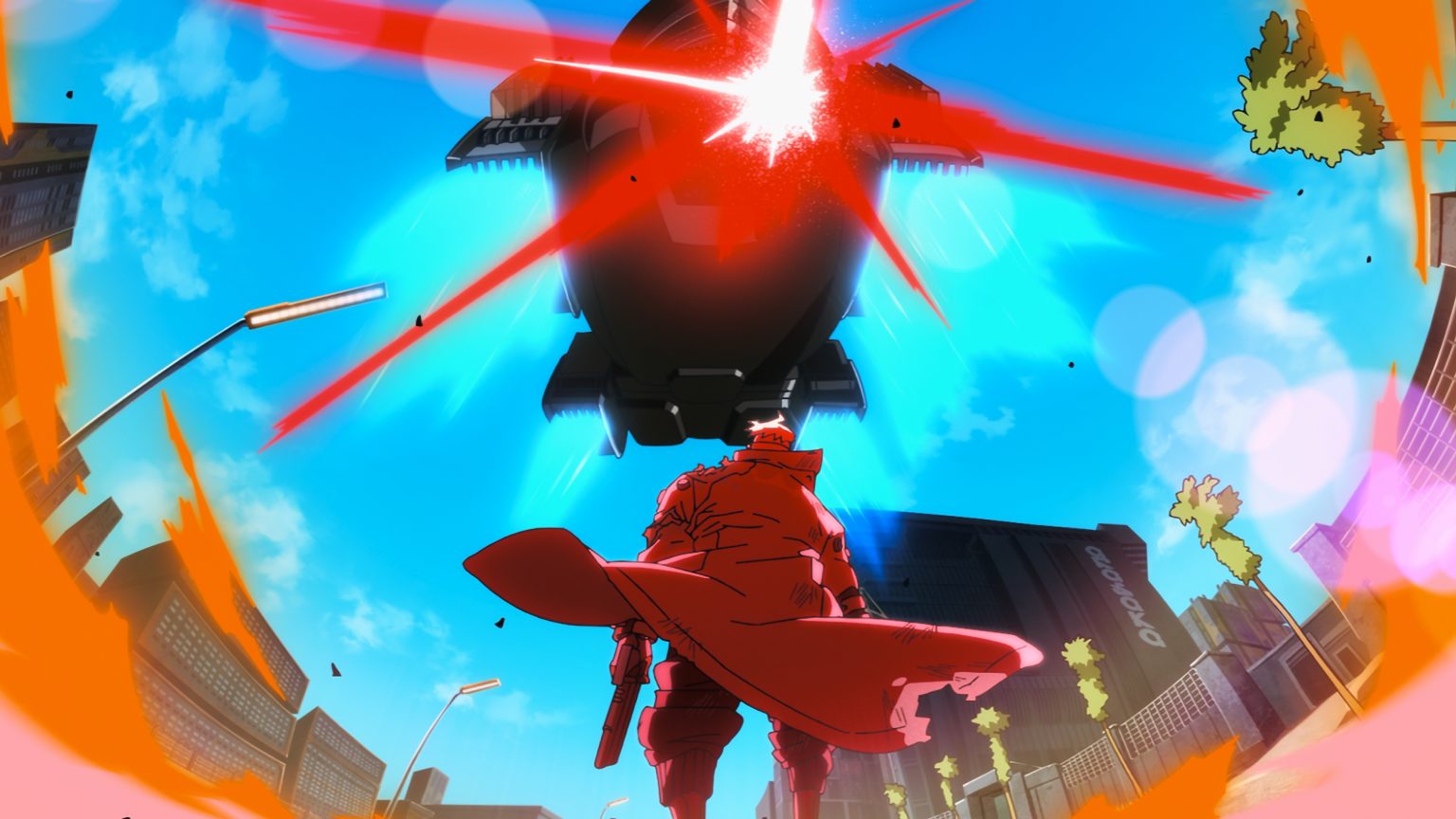
This deliberate departure from conventional sci-fi tropes extends directly into the artistic direction of the series. While the first season utilized a vibrant, hyper-saturated color palette that flirted with animated brightness to juxtapose the inherent tragedy of its narrative, the second season deliberately recalibrates its visual tone. Sztybor and the animation team opted for a darker, more dense aesthetic inspired by Scorsese’s Mean Streets. The color grading features flatter tones devoid of soft gradients, accompanied by heavier line weights and starker shadows, reinforcing the suffocating reality of Night City’s urban sprawl.
The Synergy of Writer and Animator: Navigating Production Realities
Adapting a sprawling video game universe into a serialized anime format requires a delicate balance between unbridled creative imagination and the logistical boundaries of traditional animation production. Sztybor admitted that transitioning from conventional live-action or prose writing to the specialized pacing of anime involved a steep learning curve during the creation of the first season.
Writing for animation demands a precise mathematical understanding of page counts, dialogue distribution, and visual pacing. Sztybor noted that he learned to intentionally script quieter, dialogue-heavy sequences to allow the production pipeline the necessary breathing room—both financially and temporally—to execute the wildly expensive, visually bombastic action set pieces that Studio Trigger is famous for.
Despite rapid advancements in computer-generated imagery (CGI) and the looming commercial and ethical discussions surrounding artificial intelligence within the creative industries, Studio Trigger has steadfastly maintained its commitment to traditional hand-drawn craftsmanship. Sztybor expressed a deep-seated preference for practical, human-driven artistry over algorithmic shortcuts or heavy reliance on three-dimensional rendering.
"Of course, CGI can look beautiful right now… But for me, when I watch live action, I love puppets. I love practical effects, and it’s the same in anime," Sztybor stated. He emphasized that the meticulous, painstaking quality visible in every frame of the new season is a testament to the raw passion of individual animators rather than technological automation.
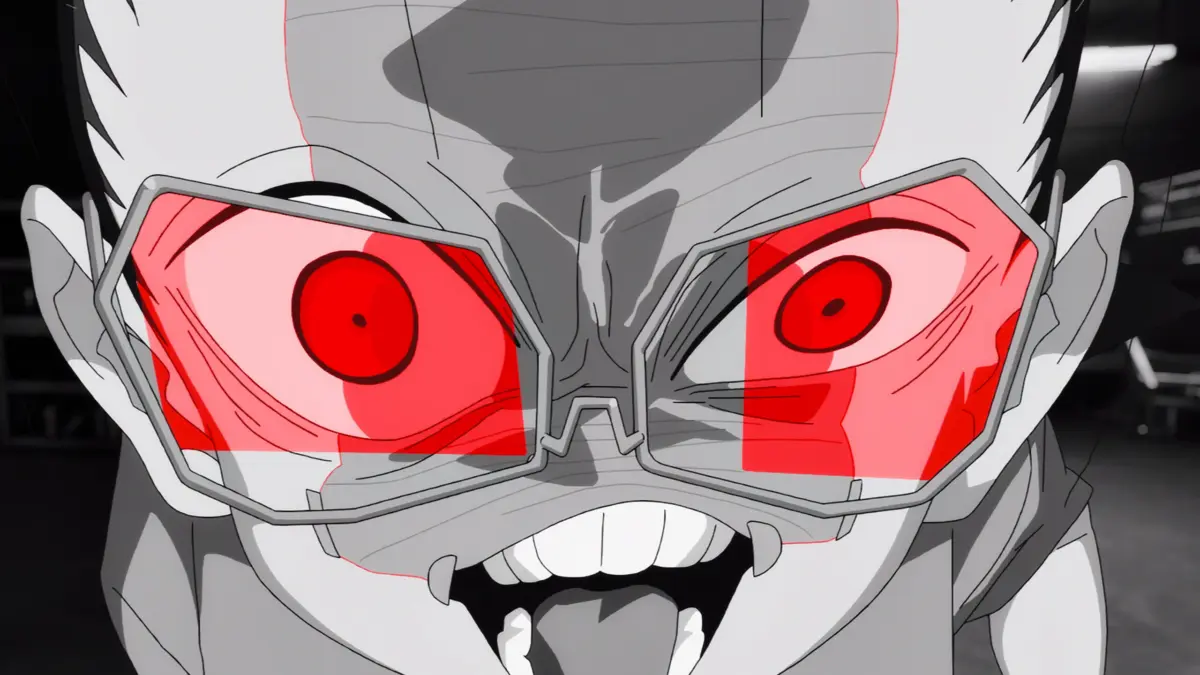
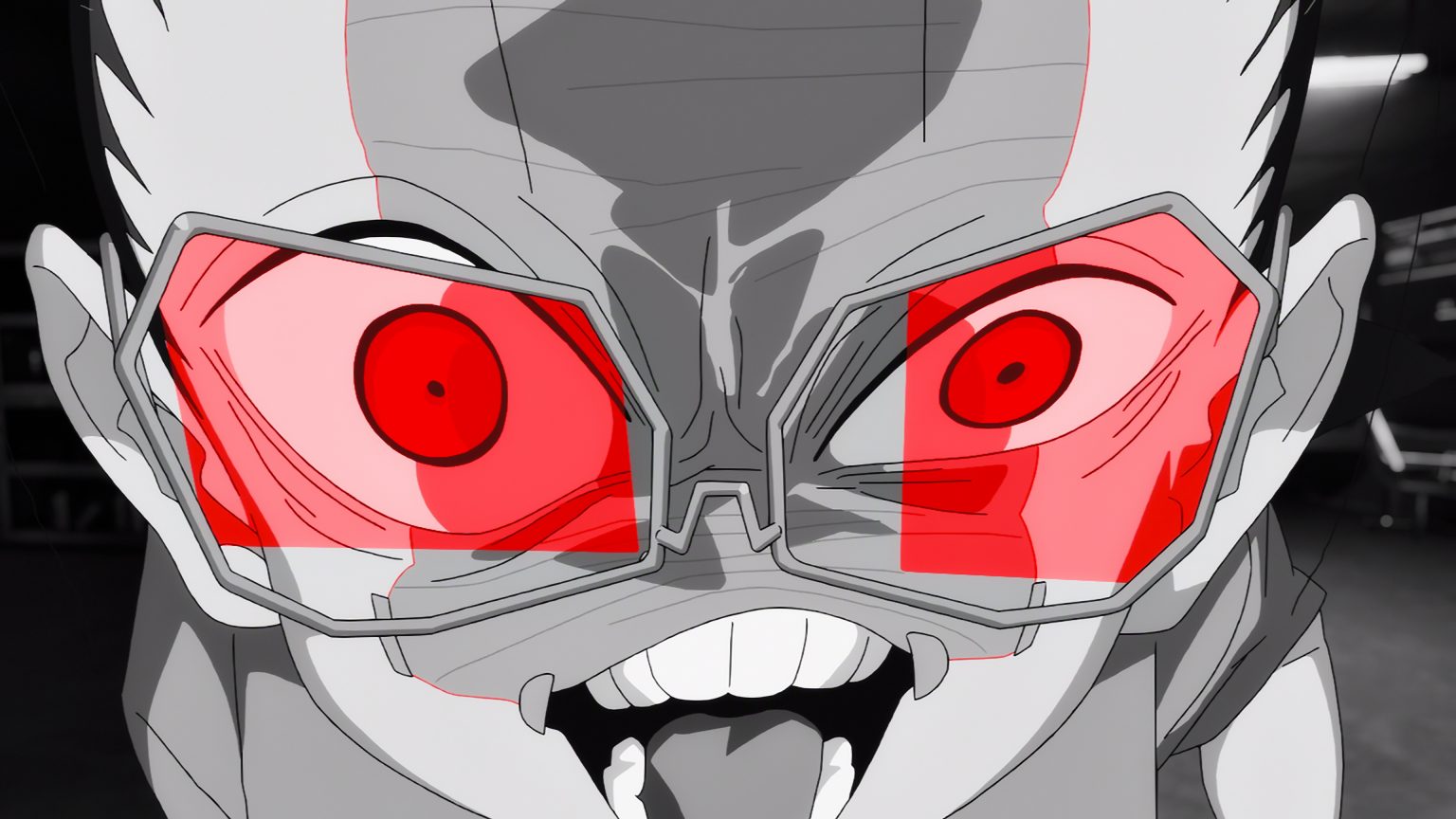
Among the standout visual achievements highlighted by the showrunner are moments of restrained intimacy, such as a tense cinematic conversation between characters Talia and Roman, juxtaposed against chaotic bursts of kinetic action featuring cars wreathed in red lightning. Furthermore, experimental framing choices—such as tight, single-frame character close-ups immediately preceding violent confrontations, and flat-colored, non-figurative flashback sequences—contribute to the unique stylistic fingerprint of the series.
Market Implications and the Expanding Cyberpunk Ecosystem
The release of Cyberpunk: Edgerunners 2 arrives at a critical juncture for both CD Projekt Red and Netflix’s adult animation slate. The unprecedented success of the 2022 original proved that cross-media adaptations, when executed with high artistic integrity, can fundamentally alter consumer perception of a video game franchise. Following the launch of the first season, Cyberpunk 2077 experienced a massive resurgence in player numbers, validating CD Projekt Red’s long-term multimedia strategy.
Industry analysts note that the premiere of the second season solidifies Night City as a sustainable, evergreen anthology setting rather than a one-off promotional tie-in. By shifting the narrative focus away from direct continuations of deceased characters and toward self-contained stories within the same socio-economic ecosystem, CD Projekt Red has successfully established the Cyberpunk intellectual property as a flexible framework for diverse creative voices.
As streaming platforms increasingly face economic pressures regarding production costs and viewer retention, high-profile collaborations between Western narrative architects and premier Japanese studios like Trigger represent a viable blueprint for prestige animation. Cyberpunk: Edgerunners 2 demonstrates that audiences continue to reward uncompromising creative visions that prioritize tactile craftsmanship, mature thematic exploration, and emotional resonance over rapid, formulaic content generation.
With critical reception already positioning the new season as a worthy successor to its predecessor, the collaboration between Bartosz Sztybor and Studio Trigger underscores the enduring vitality of the cyberpunk genre. By anchoring high-concept futuristic action in deeply human narratives of loss, redemption, and parental responsibility, the series ensures that the dark streets of Night City will remain a compelling destination for viewers worldwide for years to come.