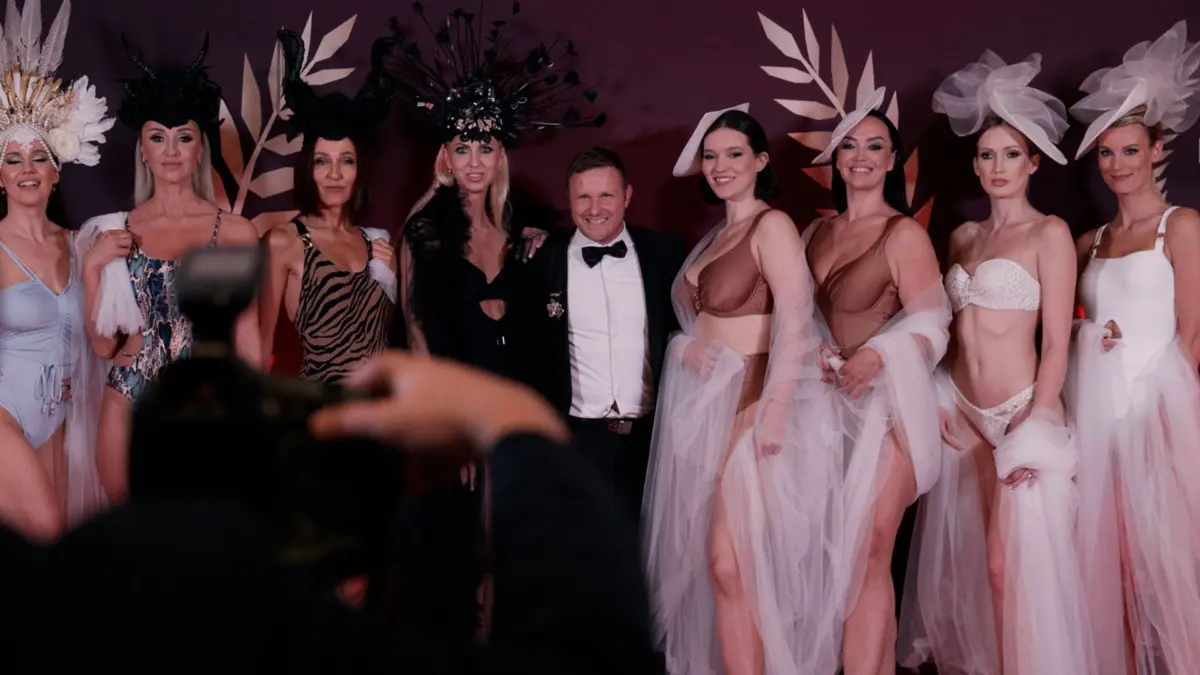
The glitz and glamour of the global film festival circuit—defined by the blinding flashbulbs of the Cannes red carpet and the velvet-roped exclusivity of international premieres—are typically viewed through the perspective of the celebrity. However, a new documentary, A Photographer in Cannes, shifts the focus toward the silent, tireless observers who make that imagery possible. Directed by Kullar Vilmne and co-written with editor Erik Norkroos, the film serves as an intimate portrait of Erlend Štaub, a veteran photographer who has spent 15 years navigating the chaotic, high-stakes environment of the world’s most prestigious cinema events. Premiering in the Special Screenings program at the 30th anniversary edition of the Tallinn Black Nights Film Festival (PÖFF), the documentary offers a rare, behind-the-scenes look at the physical and mental endurance required to excel in the competitive field of celebrity photography.
The Anatomy of the Red Carpet
For those unfamiliar with the logistics of international film festivals, the red carpet is less a social event and more a high-intensity professional environment. Photographers operate under strict accreditation rules, limited physical space, and the constant pressure of immediate deadlines. Štaub, who has served as the official photographer for the Tallinn Black Nights Film Festival for years, is a fixture not only at home in Estonia but also on the grueling circuits of Berlin and Cannes.
The documentary illustrates that the "glamorous" image of a celebrity portrait is often the result of an exhausting process. The film tracks Štaub’s daily cycle: capturing high-profile arrivals during the day, attending exclusive industry events in the evening, and spending the remaining hours of the night editing and distributing images to ensure they meet global news cycle deadlines. This cycle repeats daily for the duration of a festival, which can last up to two weeks.
Professional Rigor and Physical Demands
The film highlights a frequently overlooked aspect of professional photography: the physical toll. Štaub notes that the work requires a level of fitness comparable to that of an athlete or military personnel. The pressure on the red carpet is immense; photographers are often crowded into small "pens," fighting for the perfect angle while trying to capture a celebrity’s attention amidst a cacophony of shouts and flashes.
"The pressure is so high, and I’m just afraid that maybe I’m going to die on the red carpet if I am not in good shape," Štaub remarked during an interview regarding the film. He emphasizes that maintaining a home gym and strict physical discipline is not merely a lifestyle choice but a functional necessity to handle the stress and stamina required for long-standing shifts in crowded, hot, and emotionally charged environments.
The Collaborative Process of Filmmaking
The genesis of A Photographer in Cannes was not initially met with enthusiasm by its subject. When director Kullar Vilmne first proposed the documentary, Štaub was skeptical of the premise, fearing that a camera crew would interfere with his professional workflow. It was only after a series of discussions that he realized the unique nature of his daily work—a routine that feels mundane to him—was, in fact, a subject of significant interest to the public.
One of the most complex aspects of the production was securing permission to film behind the scenes at the Cannes Film Festival. Festivals are notoriously guarded environments where accreditation is strictly controlled. Štaub leveraged his long-standing professional reputation to help the crew gain access. The result is a dual-perspective narrative: cameras positioned both in front of and behind Štaub as he works, providing the audience with a view of how he manages to secure shots of global icons like Bella Hadid or Vin Diesel while navigating the strict rules of the festival’s organizers.
The Psychology of the Lens
A significant portion of the film explores the social intelligence required to be a successful photographer. Success in this field is not merely about technical proficiency with a camera; it is about establishing a momentary, human connection with the subject.
Štaub posits that the most effective photographs occur when a celebrity looks directly into the lens. This creates an illusion of intimacy, as if the viewer and the star are the only two people in the room. This philosophy was validated during his encounter with Vin Diesel at a recent Cannes photocall. Diesel, a performer known for his appreciation of the press, acknowledged the photographers present, thanking them for their role in his career. For Štaub, such interactions confirm that photography is a collaborative effort between the subject and the lensman.
Mentorship and the Future of the Craft
When asked about advice for aspiring photographers entering the industry, Štaub is adamant about the importance of authenticity. "Don’t try to be anybody else," he suggests. He argues that in an industry often obsessed with imitation, personality and a unique approach are the most valuable assets a professional can possess.
The documentary serves as both a manual for the aspiring and a tribute to the established. It captures the transition from analog to digital, the rise of the instant social media news cycle, and the evolution of the "black carpet" at festivals like Tallinn. As PÖFF celebrates its 30th anniversary, the inclusion of A Photographer in Cannes underscores the festival’s commitment to documenting the craft of cinema, not just the films themselves.
Contextualizing the Tallinn Black Nights Film Festival
The decision to debut the film at the Tallinn Black Nights Film Festival is strategically and thematically significant. As an A-list festival, PÖFF has steadily increased its global profile over the last three decades. The documentary serves as a bridge between the local Estonian film community and the global industry, showcasing how a photographer from a smaller market can integrate successfully into the highest tiers of the international circuit.
The film also touches on the specific challenges of the local market. In Estonia, the atmosphere at PÖFF is more personal than in Cannes, though no less demanding. Štaub describes the unique pressure of working in his home country, where the intimacy of the festival means he is often the face of the event for local attendees. He notes the difficulty of having to conclude a photo session when the "black carpet" event reaches its capacity, balancing the demands of the organizers with the expectations of fans who are eager for a personal connection.
Analytical Outlook: The Role of the Photographer
From an industry perspective, A Photographer in Cannes provides a necessary case study on the changing role of the professional photographer in the age of mobile phone imagery. While the ubiquity of smartphone cameras has democratized photography, the professional remains essential for high-end, high-resolution, and culturally significant imagery.
The documentary captures the resilience of the professional class. Despite the emergence of new technologies and shifting media landscapes, the demand for the "official" portrait remains steady. The film does not merely document a man at work; it documents the persistence of a tradition. By exploring the physical, mental, and social requirements of the job, the documentary validates the professional photographer as a vital, if often invisible, pillar of the film industry’s ecosystem.
Conclusion: Beyond the Flash
As A Photographer in Cannes enters the festival circuit, it invites audiences to reconsider the image on their screens. Every perfectly lit shot of a Hollywood star on a red carpet is the culmination of hours of labor, technical expertise, and an unspoken agreement between the photographer and the subject. Erlend Štaub’s journey from an Estonian professional to a fixture at the world’s most elite festivals is a testament to the idea that, in the world of cinema, the most interesting stories are sometimes found behind the camera, not in front of it.
For attendees at the 30th Tallinn Black Nights Film Festival, the film is expected to offer a grounded, realistic, and occasionally humorous look at the industry. It stands as a reminder that behind every iconized celebrity is a human being, and behind every iconized photograph is a photographer, navigating the chaos of the red carpet with a camera, a, and a relentless commitment to the shot.