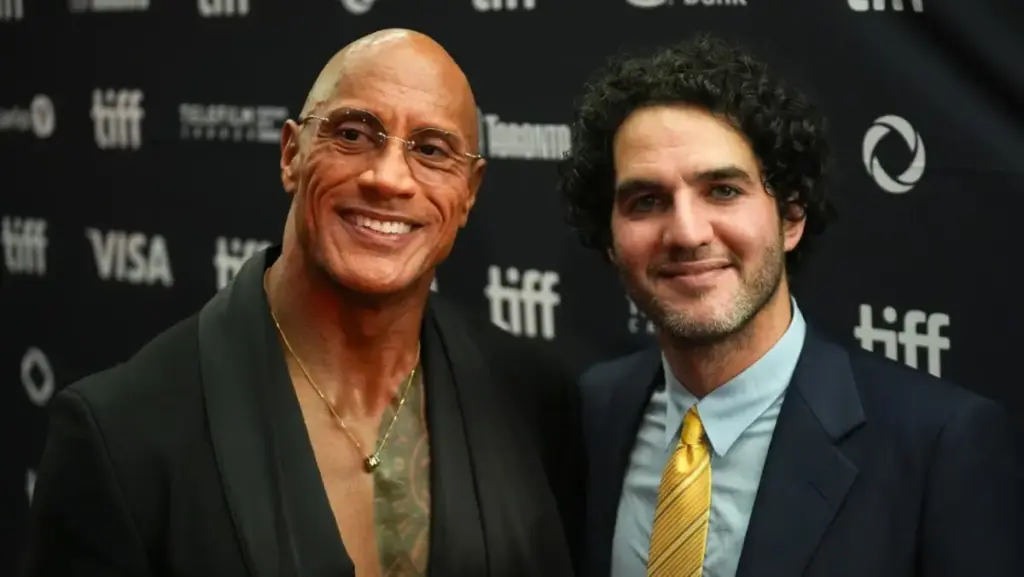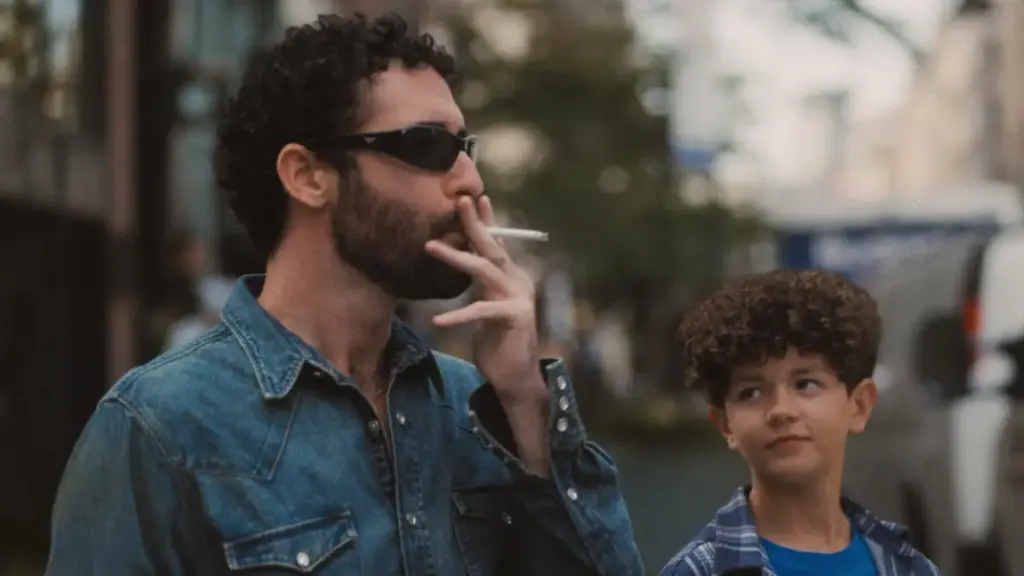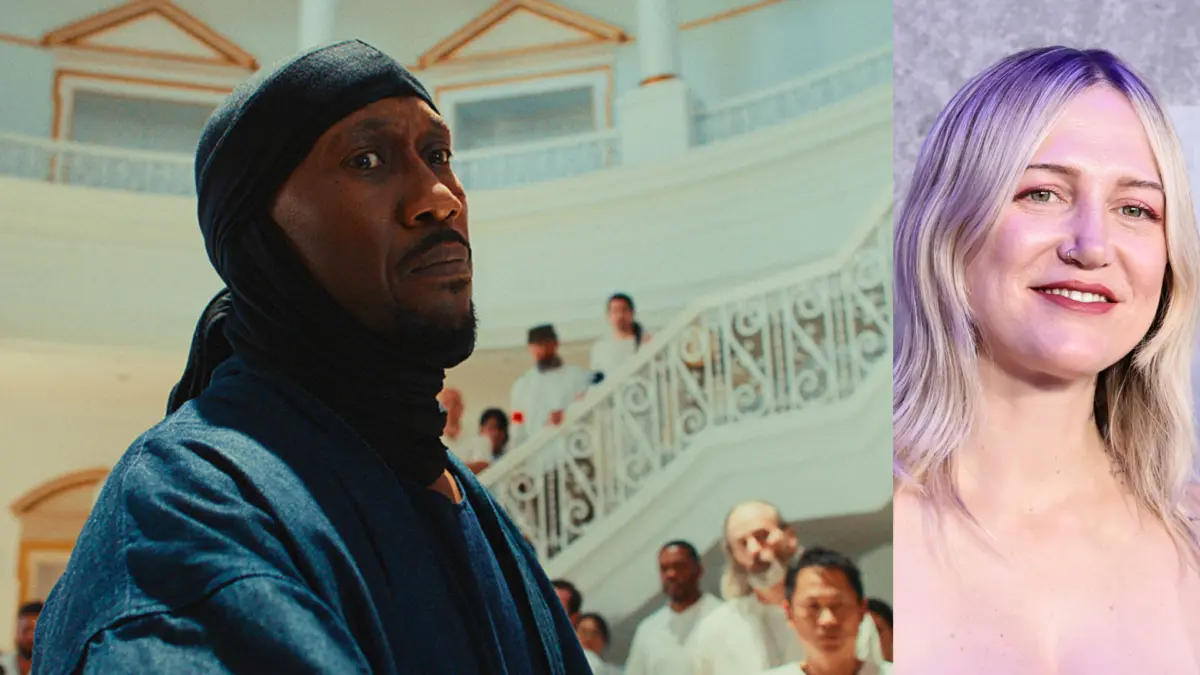
In the landscape of modern cinema, the action genre has long been defined by its reliance on spectacle, kinetic editing, and a detached, hyper-masculine bravado. However, the release of director Bassam Tariq’s latest feature, Your Mother Your Mother Your Mother, signals a significant departure from these established tropes. Released by Amazon MGM Studios on September 25, following a high-profile premiere at the Toronto International Film Festival, the film blends the high-stakes adrenaline of a crime thriller with the quiet, interior life of a grieving father. At the heart of this visual transformation is cinematographer Katelin Arizmendi, who makes her foray into large-scale action filmmaking by prioritizing emotional resonance over mere pyrotechnics.
The film follows Latif, portrayed by Mahershala Ali, a professional assassin whose life is irrevocably shattered by the death of his wife. As he struggles to navigate the logistical and emotional demands of raising three children—most notably the desperate, tactile search for breast milk for his newborn—the film evolves into a profound meditation on faith, masculinity, and the fragility of human existence.

A Collaborative Vision: Translating Narrative to Visual Language
Arizmendi’s approach to the project was rooted in a deep, character-first methodology. During an interview at the EnergaCAMERIMAGE festival in Torun, Poland, she detailed the collaborative process she undertook with Tariq to ensure that the cinematography did not merely serve the plot, but rather functioned as an extension of the protagonist’s psychological state.
"It’s always about the story and the characters for every project," Arizmendi explained. Before establishing a visual palette, the duo spent extensive time deconstructing the script’s core themes. For Arizmendi, the film’s unique selling point was its inversion of genre expectations. While audiences expect a hitman to be driven by cold, material objectives, Latif’s primary goal—the survival of his infant daughter—is rooted in profound vulnerability.
This shift in motivation necessitated a shift in perspective. Arizmendi emphasized the importance of a subjective, first-person visual style. By keeping the camera tightly tethered to Latif, the audience is forced to inhabit his experience, observing the world as he does—often from behind or through obscured angles—to mirror his sense of isolation and focus. As the narrative progresses, this subjective focus shifts toward his daughter, Fatiha, played by Adia, signaling a thematic transition from the father’s individual struggle to a collective familial experience.

Chronology and the Mechanics of Action
One of the central challenges for the production team was maintaining tonal consistency across the film’s disparate environments: the intimate, domestic sphere of a grieving household and the violent, high-octane sequences of the criminal underworld. Arizmendi was adamant that the film should not feel like two separate entities—an emotional drama spliced with an action flick.
To achieve this, the team assigned specific emotional and visual adjectives to each of the film’s four major set-pieces:
- The Introduction: Characterized by brutality, precision, and calmness. The camera remains locked off on long lenses, creating an abstract, detached feeling that establishes Latif’s competence and lethal professional history.
- The Strip Club Sequence: Defined by the chaos of the environment and Latif’s preoccupation with his infant daughter. Here, the camera work becomes fluid, utilizing Steadicam pans, reflections, and constant motion to reflect the protagonist’s fractured mental state.
- The Home Invasion: Set within the "sacred space" of the family home. The camera pulls back into wide shots, incorporating the domestic environment—such as the children’s artwork on the walls—to underscore the gravity of the violence and the loss of innocence.
- The Final Confrontation: The culmination of the character’s arc as a warrior. The cinematography here borrows from the tradition of samurai films, opting for epic scale and a "transcendental" perspective. This is punctuated by high-angle, bird’s-eye shots that serve to represent a divine, judging observer, suggesting that Latif’s actions are being held to a spiritual standard.
Technical Execution and Post-Production Craft
The film was captured on the Alexa 35, a choice that allowed for a cinematic, high-dynamic-range image that could handle the varied lighting conditions of the shoot. Arizmendi utilized Panavision Variel lenses and Primo zooms, supplemented by Large Format (LF) optics to provide the necessary scale for the film’s more expansive sequences.

To bridge the gap between digital capture and the desired aesthetic, Arizmendi worked closely with colorist Damien Vandercruyssen. By applying a digital film texture in post-production, the team managed to emulate the grain and organic color response of traditional celluloid, grounding the film’s more surreal moments in a tangible, historical aesthetic.
A notable technical achievement is the "resurrection" sequence, where the camera appears to move through the floor into a submerged, watery realm. Inspired by a production design reference, the team constructed a practical rig with a Libra head that allowed the camera to transition seamlessly from the physical room into the water, creating a visually arresting representation of spiritual mercy and rebirth.
The State of the Industry: Gender and Representation
Arizmendi’s presence as a lead cinematographer on a major studio action film serves as a landmark moment in the ongoing conversation regarding diversity behind the camera. While figures like Autumn Durald Arkapaw have broken barriers by securing Academy Award recognition, the industry remains statistically skewed.

Arizmendi was candid about the challenges she faced, noting that despite her professional pedigree, she was occasionally subjected to skepticism regarding her ability to manage the logistics of an action-heavy schedule. "I’ve faced a lot of misogyny, even on this movie," she admitted. "There was an assumption that because I was a woman, I wouldn’t be able to keep up with the schedule, or that I lacked the technical experience for action."
However, Arizmendi also acknowledged that the industry is in a state of flux. While acknowledging that she previously preferred to avoid the discourse surrounding her gender to focus solely on her craft, she has since adopted a more vocal stance. She believes that visibility is essential for the next generation of cinematographers. "You need to see more women in these roles," she stated. "You have to see that you can do it to be able to want to try to do it."
Broader Impact and Implications
The success of Your Mother Your Mother Your Mother lies in its ability to marry the visceral excitement of the thriller genre with a deeply considered, sensitive exploration of faith. By treating the camera as a narrator that understands the emotional weight of a scene rather than just the physical blocking, Arizmendi has demonstrated that the "action movie" label is not a monolith.

The film’s reliance on practical effects, thoughtful lighting—which was adjusted to accommodate real-world prayer times to ensure authenticity—and a refusal to rely on shaky-cam shorthand, sets a high bar for future genre entries. As Amazon MGM Studios continues to expand its footprint in the theatrical space, the critical reception of this film suggests that there is a significant appetite for action cinema that dares to be as thoughtful as it is pulse-pounding. Through the partnership of Tariq’s directorial vision and Arizmendi’s nuanced cinematography, the film achieves a rare balance: it is a high-octane thriller that never loses sight of the human, and often sacred, soul at its center.