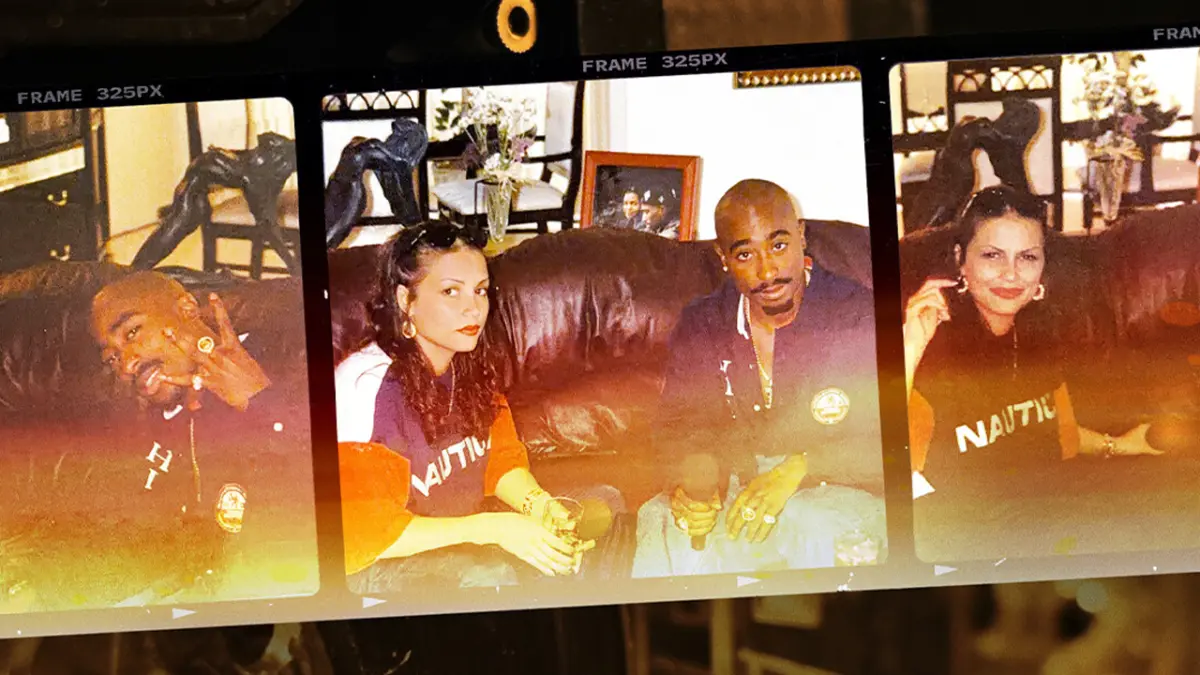
Netflix has officially announced the global premiere date and unveiled the official trailer for The Tupac Tapes with Angie Martinez, a four-part video podcast event set to debut worldwide on November 27. The upcoming series centers on previously unreleased interview footage recorded by Radio Hall of Famer and New York Times bestselling author Angie Martinez in 1996, capturing Tupac Shakur just months before his tragic death in Las Vegas.
For nearly thirty years, these rare audio recordings remained heavily guarded by Martinez, who physically edited the original broadcast reels with a razor blade to protect individuals involved during a period of extreme volatility within the American music industry. The four-part documentary series brings these historical tapes to light, offering contemporary audiences an unfiltered look at one of hip-hop’s most influential and polarizing figures at the absolute zenith of the East Coast versus West Coast rivalry.
The Main Facts and the Genesis of a Historical Document
The core of the series revolves around an extensive sit-down interview conducted in Los Angeles in 1996. At the time, tensions between East Coast and West Coast rap factions had reached a boiling point, characterized by intense media scrutiny, public feuds, and real-world violence. Tupac Shakur, having recently been released from prison and having signed with Death Row Records, was at the center of this cultural storm.
Recognizing the incendiary nature of Shakur’s commentary, Martinez made the editorial decision to withhold significant portions of the conversation from her radio broadcast. In subsequent interviews, she noted that releasing the full dialogue immediately could have escalated dangerous hostilities, remarking that she sought to prevent further tragedy stemming from the words captured during the
recording.
The newly released one-minute trailer juxtaposes archival footage from 1996 with modern studio sessions. In these contemporary segments, Martinez plays the original reel-to-reel tapes for a panel of cultural commentators, hip-hop artists, and longtime associates of Shakur. Among those reacting to the audio in the promotional footage are media personalities Joe Budden and Charlamagne Tha God, alongside Outlawz member E.D.I. Mean. The preview highlights Shakur’s intense delivery, addressing themes of betrayal, paranoia, and the personal toll of his legal battles and survival following his 1994 shooting at Quad Recording Studios in New York.
Chronology of Events Surrounding the 1996 Interview
To understand the weight of The Tupac Tapes, it is essential to place the 1996 recording within the broader chronology of Shakur’s final year:
November 1994: Tupac Shakur is shot and robbed in the lobby of Quad Recording Studios in Manhattan, an incident that deeply exacerbated the friction between New York and Los Angeles artists, as Shakur publicly blamed figures associated with Bad Boy Records.
February to October 1995: Shakur serves a prison sentence at Clinton Correctional Facility following a conviction on sexual abuse charges, during which time his critically acclaimed album Me Against the World debuts at number one on the Billboard 200.
October 1995: Suge Knight, CEO of Death Row Records, posts a $1.4 million bail to secure Shakur’s release, after which the rapper immediately relocates to Los Angeles and begins recording material for All Eyez on Me.
Spring and Summer 1996: Amid an escalating public feud involving multiple record labels and media outlets, Shakur maintains a relentless recording and promotional schedule, culminating in interviews designed to clarify his stance on regional rivalries.
September 7, 1996: Shakur is shot multiple times in a drive-by shooting in Las Vegas, Nevada, following a Mike Tyson boxing match. He succumbs to his injuries six days later on September 13, 1996, at the age of 25.
November 27, 2026: Netflix premieres The Tupac Tapes with Angie Martinez globally, introducing the unedited 1996 recordings to the public nearly three decades after they were captured.
Supporting Data and the Evolution of Hip-Hop Archival Media
The release of The Tupac Tapes reflects a broader industry trend toward deep archival exploration and high-end documentary series focusing on hip-hop history. Over the past decade, streaming platforms have increasingly invested in multi-part audio-visual projects that re-examine cultural milestones through the lens of modern hindsight.
Tupac Shakur remains one of the best-selling music artists of all time, having sold over 75 million records worldwide. His posthumous discography includes numerous platinum-certified releases, feature films, and biographical projects, cementing his status as a permanent fixture in global popular culture. However, academic and journalistic analyses of his career have often oscillated between hagiography and sensationalism. By utilizing an unedited, primary-source audio document, Netflix and Martinez aim to bypass secondary interpretations and present the artist’s own spoken reflections without editorial mediation.
Official Perspectives and the Decision to Release the Tapes
Angie Martinez has been transparent regarding her rationale for withholding the full tapes for three decades. In conversations surrounding the project, she explained that her initial obligation was to the safety of the individuals mentioned in the dialogue. The political climate of mid-90s hip-hop was volatile, and statements made during interviews frequently translated into real-world antagonism.
Following Shakur’s death, Martinez felt an increased weight of stewardship over the recordings. She noted that protecting material that was never intended to serve as a final statement became a priority. However, as nearly thirty years elapsed, she concluded that the historical significance of the tapes outweighed the private nature of the archive. Providing contemporary context allowed for a responsible release, transforming a potentially dangerous relic of the past into an educational tool for understanding a critical era in American music history.
Martinez has further articulated her hope that the series will humanize the public figure. By listening to the complete, unedited cadence of his voice, viewers are presented with a young man grappling with complex psychological pressures, institutional mistrust, and sudden global fame, moving past the simplified archetypes of hero or villain that often dominate retrospective coverage.
Broader Impact and Journalistic Implications
The premiere of The Tupac Tapes with Angie Martinez carries several implications for music journalism and documentary filmmaking. First, it establishes a precedent for how long-held journalistic assets are integrated into multi-platform formats. By combining traditional audio journalism with modern roundtable critique, the series bridges the gap between historical preservation and contemporary discourse.
Second, the project contributes to the ongoing re-evaluation of the 1990s hip-hop landscape. As primary sources from this era age into historical territory, historians and cultural critics are afforded opportunities to analyze the systemic pressures faced by young Black artists navigating sudden wealth, legal persecution, and intense media sensationalism.
Finally, the series underscores the enduring commercial and cultural viability of Tupac Shakur’s legacy. Thirty years after his passing, public interest in his unvarnished perspective remains high. The global release on Netflix ensures that these historical documents will reach a new generation of listeners who were not alive during the height of the East-West coastal divide, thereby securing the preservation of this specific chapter of cultural history within the digital media landscape.