Foghorn Features has officially released the trailer and promotional materials for its upcoming documentary feature, a production that examines the shifting landscape of American cinema exhibition through a cross-country odyssey. Directed by acclaimed independent filmmaker Rustin Thompson, the film serves as a visual and narrative record of the movie theaters that once defined the social fabric of small-town America. Spanning a journey of 10,825 miles across ten states, the documentary captures the state of 123 different theaters, ranging from derelict ruins to vibrant, community-supported hubs.
The documentary arrives at a critical juncture for the film industry. As the theatrical experience continues to contend with the proliferation of streaming services and the consolidation of major theater chains, Thompson’s work offers a timely investigation into the survival of independent movie houses. The film is scheduled for a limited theatrical rollout beginning July 5, 2026, followed by high-profile openings in New York and Los Angeles this August.
The Journey: Ten States and Ten Thousand Miles
The core of the film is a meticulous road trip undertaken by Thompson, who traveled deep into the American West to document the remnants of a fading era. The production statistics—10,825 miles and 123 theaters—underscore the scale of the project. By focusing on the American West, Thompson highlights a region where the vast distances between towns historically made the local movie house a vital "third place" for social gathering, second only to the home and the workplace.
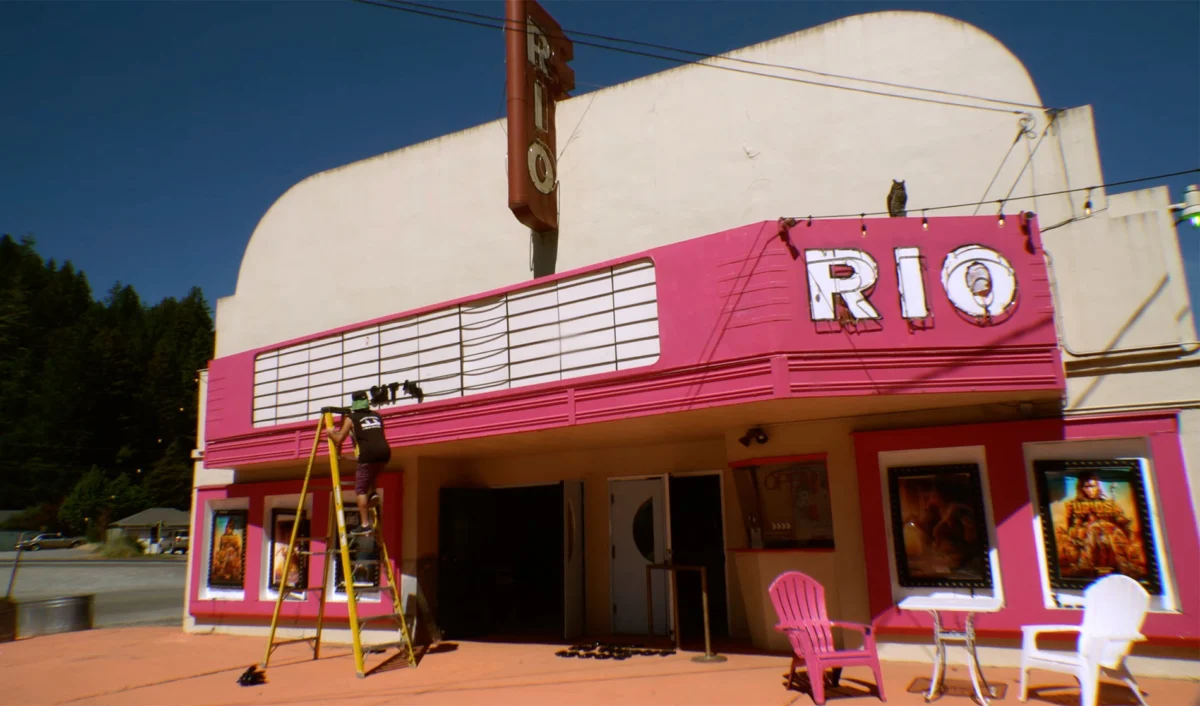
Throughout the documentary, the camera captures a spectrum of architectural and cultural states. Some segments focus on "ghost" theaters—buildings that have been abandoned for decades, their marquees crumbling and their interiors reclaimed by nature. Others highlight theaters that have recently shuttered, victims of the post-pandemic economic shift or the inability to keep pace with expensive digital projection upgrades.

However, the film is not merely an elegy. A significant portion of the narrative is dedicated to "thriving" theaters. These are locations where dedicated caretakers and community non-profits have intervened to preserve the cinematic experience. Through interviews with these theater owners and operators, Thompson explores the diverse strategies used to keep the doors open, from diversifying programming to include live events and film festivals, to transitioning into community-owned non-profit models.
A Chronology of the Production and Release
The development of the documentary began several years ago as Thompson sought to capture the immediate aftermath of the global shifts in moviegoing habits. Production involved extensive location scouting across states including Montana, Wyoming, Colorado, and New Mexico, where the "cinema desert" phenomenon—areas with little to no access to a theatrical screen—is most pronounced.
The film made its world premiere earlier this year at the 2026 Santa Barbara Film Festival. Its reception at the festival was marked by praise for its cinematography and its unflinching look at the economic realities of the exhibition business. Following the festival circuit, Foghorn Features acquired the distribution rights, recognizing the film’s appeal to cinephiles and cultural historians alike.
The release strategy is designed to mirror the themes of the film. By starting the run in select US theaters on July 5, Foghorn Features aims to support the very types of independent venues showcased in the documentary. The August expansion into New York and Los Angeles is intended to bring the conversation to the nation’s primary media hubs, where the debate over the "death of cinema" is most frequently discussed.
Thematic Connections to Peter Bogdanovich
A notable stylistic choice in the documentary is the inclusion of excerpts and reflections on Peter Bogdanovich’s 1971 masterpiece, The Last Picture Show. Thompson utilizes Bogdanovich’s work not just as a namesake, but as a thematic anchor. The 1971 film, set in a dying North Texas town in the early 1950s, famously used the closing of a local cinema as a metaphor for the end of a specific American way of life.

By interspersing scenes from the classic film with contemporary footage of real-world theater closures, Thompson draws a direct line between the anxieties of the mid-20th century and those of the 21st. The documentary argues that while the technology and the competitors (television then, streaming now) have changed, the cultural loss associated with the disappearance of the local theater remains constant. This poetic dialogue between past fiction and present reality provides the film with a deeper emotional resonance, moving it beyond a simple journalistic report.
Supporting Data: The Crisis in Exhibition
The documentary provides a backdrop for a broader discussion on the health of the film industry. According to industry data from the mid-2020s, the number of independent screens in the United States has seen a steady decline. The transition from 35mm film to Digital Cinema Package (DCP) projection in the early 2010s was the first major hurdle, costing small theaters upwards of $60,000 to $100,000 per screen. Many rural theaters never fully recovered from this capital expenditure.
Furthermore, the "theatrical window"—the period of time a film plays exclusively in theaters before moving to digital platforms—has shrunk significantly. In 2019, the average window was 90 days; by 2026, it frequently sits between 17 and 45 days for major studio releases. This shift has placed immense pressure on small-town theaters that rely on long runs of popular titles to sustain their operations.
Thompson’s film highlights that "cinema deserts" are not just a rural issue but a cultural one. When a town loses its theater, it loses more than a place to watch movies; it loses a venue for shared emotional experiences. The documentary cites that in several of the states visited, residents now have to drive over 60 miles to reach the nearest operating cinema, a barrier that effectively removes the theatrical experience from their daily lives.
Official Responses and Industry Implications
While the film serves as a portrait of the industry, it has also sparked reactions from theater advocacy groups. Organizations such as the National Association of Theatre Owners (NATO) and various independent cinema alliances have noted that films like Thompson’s are essential for raising public awareness about the fragility of the exhibition ecosystem.

Executive Producer Rachel Price commented during the festival circuit that the goal of the project was to "humanize the statistics." She noted that while it is easy to look at a spreadsheet of theater closures, it is much harder to ignore the face of a third-generation theater owner who is fighting to keep the neon lights on in a town of 2,000 people.
Industry analysts suggest that the film’s release could bolster the growing movement for "cinema preservation," similar to historic building preservation. There is an increasing call for local governments to recognize historic theaters as cultural landmarks, providing them with tax breaks or grants to ensure they remain functional parts of the downtown landscape.
Analysis of the Broader Impact
The documentary arrives at a time when the "experience economy" is undergoing a transformation. While home viewing offers convenience, there is a documented resurgence in the desire for communal, "analog" experiences. The success of theaters that are "thriving," as shown in the film, often stems from their ability to offer something a television cannot: a sense of place and a shared atmosphere.
Thompson’s work suggests that the future of the movie house may lie in its past—as a community center. By documenting the 123 theaters on his journey, he provides a blueprint for what works and a warning of what is lost when these spaces are allowed to vanish. The film posits that the "last picture show" does not have to be the end, provided there is a collective will to support the curators and caretakers who maintain these "oases of wonder."
As the film moves toward its July release, it stands as both a historical document and a call to action. For the "cinema nerds" and the general public alike, it offers a chance to reflect on the role of the movie theater in American life and the importance of preserving the spaces where stories are told in the dark, on a grand scale.

The documentary was written, directed, and produced by Rustin Thompson, whose previous credits include Spree and The Ends of the Earth. With cinematography that captures the stark beauty of the Western landscape and the haunting interiors of forgotten movie palaces, the film is expected to be a significant entry in the 2026 documentary field. For further information and theater listings, interested viewers are encouraged to visit the film’s official website as the July 5 release date approaches.