The Senator Theatre in Baltimore, Maryland, serves as the stage for a significant moment in independent cinema tonight as it hosts the world premiere of Spirit Tasting. This production marks a milestone for the local film industry and acts as the inaugural feature for Terror Vision Original Productions. Directed by Chris LaMartina, a filmmaker noted for his commitment to Baltimore-based storytelling, the film represents an exercise in micro-budget efficiency, having been completed with a production budget of approximately $40,000 over a compressed four-day shooting schedule.
The Production Context and Origins
The film’s development is rooted in the collaborative spirit of the Baltimore independent film scene. Chris LaMartina, whose previous work includes the cult classic WNUF Halloween Special, has long championed the viability of low-budget, high-concept horror. Spirit Tasting functions as a creative partnership between LaMartina and co-writer Michael Varrati, a prolific screenwriter within the genre space.
The production was designed to leverage local talent and regional landmarks, a strategy that aligns with the "guerrilla" filmmaking ethos often associated with the mid-Atlantic independent circuit. By utilizing a former dive bar turned distillery as the primary setting, the production minimized location expenses while maximizing the atmospheric potential of the space. This approach is reflective of a broader trend in independent horror, where filmmakers prioritize "hang-out" chemistry and character-driven narratives to compensate for limited financial resources.
Narrative Framework and Plot Dynamics
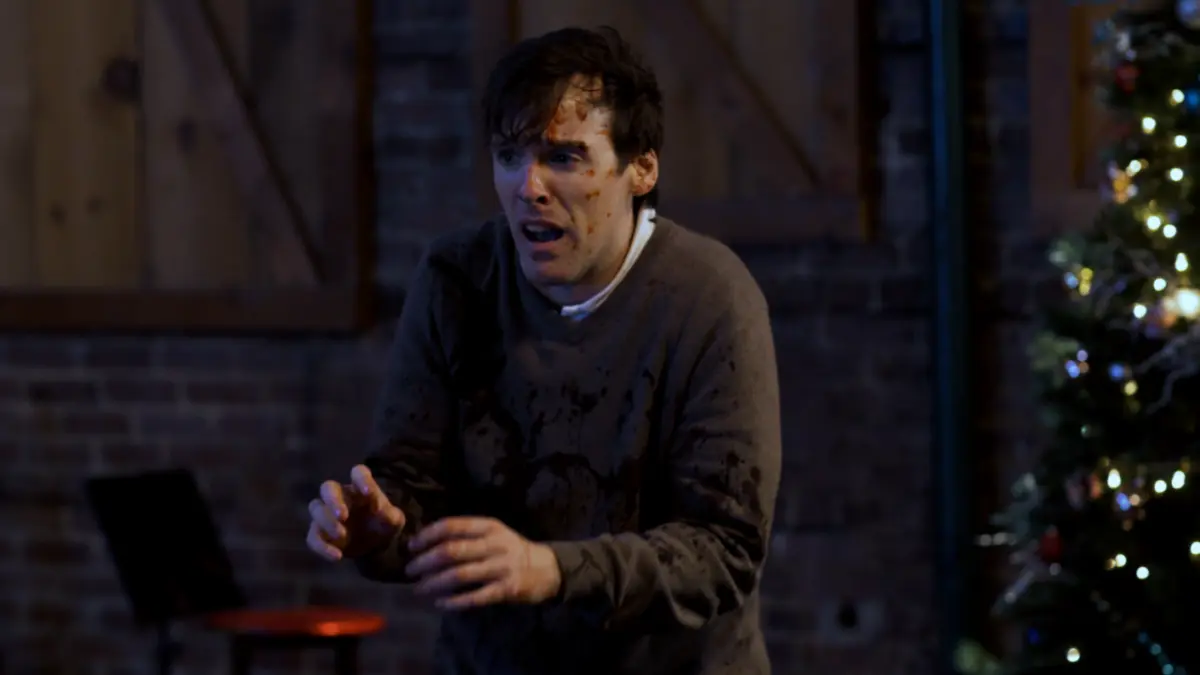
Spirit Tasting follows three central characters—Sean Doherty, Melissa LaMartina, and Trevor Wilhelms—who reunite on New Year’s Eve to commemorate the one-year anniversary of the death of a close friend. The narrative serves as a meditation on grief, economic instability, and the disillusionment often felt by individuals transitioning into middle age.
The catalyst for the film’s horror elements is a high-stakes "spirit tasting" experience facilitated by the bar’s proprietor, played by Tatiana Nya Ford. The script, co-written by Varrati, utilizes the literary trope popularized by W.W. Jacobs’ The Monkey’s Paw. In this iteration, the protagonists’ desires—such as career advancement and personal resolution—are granted through supernatural intervention, leading to immediate, often violent, unforeseen consequences. The film operates on a runtime of approximately 70 minutes, favoring a concise, rapid-fire progression of events that culminates in a series of practical effect sequences.
Technical Craft and Practical Effects
A focal point of the production is its commitment to practical special effects, supervised by Jessie Seitz and Marcus Koch. In an era dominated by digital visual effects, the reliance on physical, on-set prosthetics and mechanical effects serves to differentiate Spirit Tasting from many modern low-budget horror offerings.
Industry analysts often note that the "handmade" quality of these effects contributes to the overall aesthetic consistency of indie productions. By allocating a significant portion of the $40,000 budget to these practical elements, the creative team has prioritized tactile, visceral storytelling. The production’s reliance on these methods is not merely a budgetary necessity but a deliberate aesthetic choice that appeals to the specific sensibilities of the horror enthusiast demographic.
Distribution and Theatrical Rollout
Following its premiere at the Senator Theatre, Spirit Tasting is scheduled for a comprehensive roadshow across the United States. This distribution strategy is designed to build grassroots momentum, a model that has proven successful for independent films looking to secure a dedicated audience without the support of major studio marketing budgets.

The partnership with Terror Vision—a company historically known for its curation of physical media and genre distribution—indicates a shift toward an integrated model of production and distribution. By handling the film as an "Original Production," Terror Vision is positioning itself as a vertically integrated studio that controls the lifecycle of its content, from the initial shoot to the release of high-definition physical media. This model provides filmmakers with greater control over their intellectual property while ensuring the final product reaches the niche markets most likely to consume it.
Regional Significance and Cultural Impact
The choice of Baltimore as the primary setting for both the film’s narrative and its premiere is significant. Baltimore has a long history of serving as a hub for idiosyncratic and independent cinema, ranging from the works of John Waters to the contemporary indie scene. For filmmakers like LaMartina, maintaining a presence in the city is a central component of their brand identity.
The film’s focus on the local environment—depicting bars, neighborhoods, and the specific malaise of the post-industrial city—serves as a backdrop that grounds the supernatural premise. This regionalism is a recurring theme in the work of local creators, who often cite the city’s unique architecture and community atmosphere as vital characters in their narratives. The premiere at the Senator Theatre, a historic venue, reinforces the connection between the film and the local community that supported its inception.
Economic and Industry Implications
The production of Spirit Tasting offers a case study in the viability of the micro-budget film model. By producing a finished feature for $40,000, the production team demonstrates that technical proficiency, combined with a strong script and clear vision, can result in a marketable product.
For the broader film industry, the success of such projects highlights a persistent demand for original content that does not rely on massive franchise intellectual property. As streaming services and physical media collectors continue to seek out "prestige" genre films, productions like Spirit Tasting provide a template for sustainability in the independent sector.
Analysis of Genre Trends
The horror genre has seen a resurgence in "conceptual" storytelling, where the central conceit (in this case, the literalization of a "spirit" wish) drives the narrative arc. The efficiency of the film’s runtime—at roughly 70 minutes—suggests an awareness of modern viewer habits, which favor tighter, more focused pacing.
Furthermore, the film’s departure from traditional supernatural tropes in favor of a more grounded, character-focused approach reflects a shift toward "elevated" indie horror. While the film retains the gore and intensity expected by the genre’s fanbase, it grounds these elements in the realistic struggles of the protagonists. This duality is essential for reaching a wider audience while satisfying the core horror market.
Conclusion and Future Outlook
Spirit Tasting is indicative of a broader professionalization of the micro-budget sector. Through its strategic use of physical media releases, a targeted national roadshow, and a commitment to practical, high-quality production values, the film serves as a benchmark for independent filmmakers.
As the project moves into its national release phase, the industry will be watching to see if this model of localized, grassroots distribution can scale. The premiere in Baltimore is the first step in a larger effort to establish a new standard for how independent genre films are conceived, produced, and distributed in the current media landscape. Whether the film finds the same longevity as previous projects in the directors’ portfolios will depend on its ability to resonate with the wider, non-local audience, but the initial reception suggests that it is well-positioned to make an impact within the independent film community.