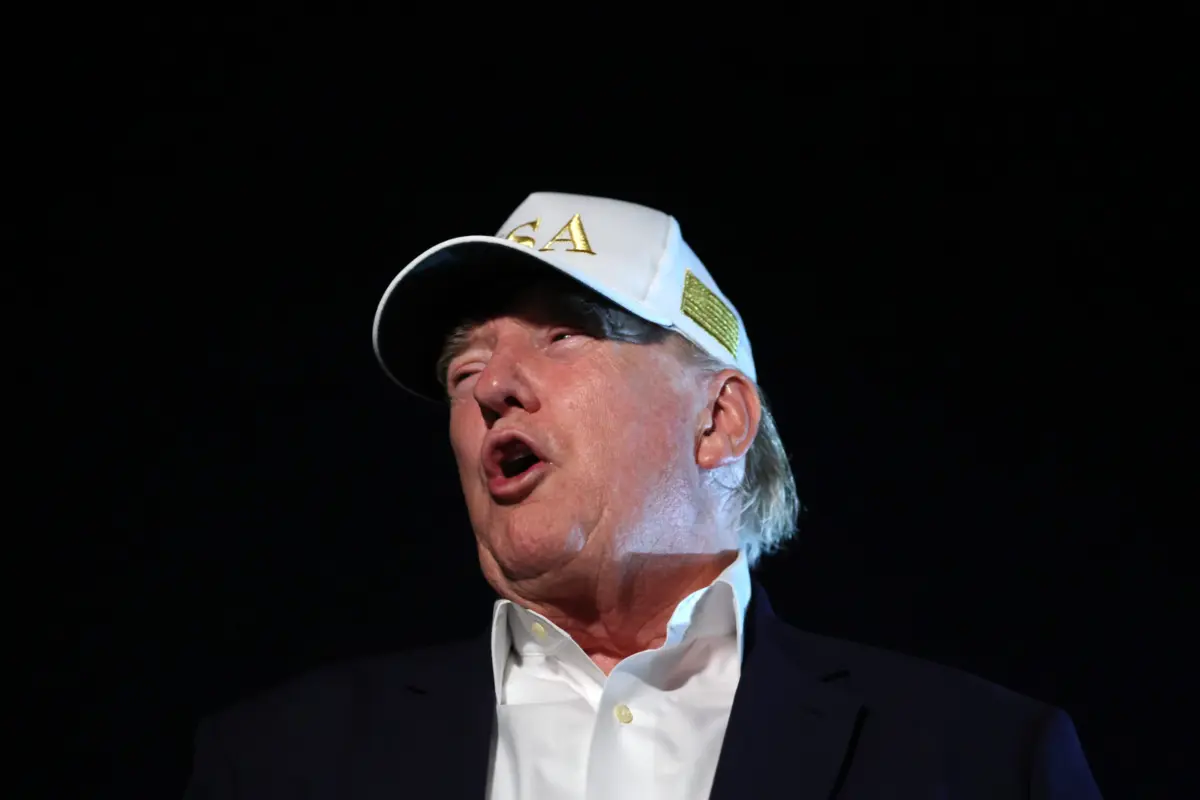
Despite the complex political landscape following the recent midterm elections, President Trump has signaled a renewed and aggressive push for the passage of federal legislation aimed at providing tax incentives for film and television production. The proposal, which seeks to stem the tide of "runaway production" that has seen significant industry investment migrate to countries like Canada, the United Kingdom, and Australia, is framed as a strategy to bolster domestic infrastructure and revitalize the livelihoods of American blue-collar production workers.
The Legislative Framework: The Motion Picture, Television, and Entertainment Revitalization Act
The centerpiece of this legislative push is the proposed Motion Picture, Television, and Entertainment Revitalization Act. Designed as a direct response to international competition, the bill seeks to establish a federal framework that supplements the existing patchwork of state-level tax incentives. Under the current proposal, qualifying productions would be eligible for a 20 percent base tax credit on labor expenses. This incentive is structured to scale upward, potentially reaching a 30 percent threshold when specific bonuses are applied.
To qualify for these benefits, production companies must meet stringent criteria. The legislation stipulates that a project must possess a minimum budget of $1 million. Furthermore, at least 75 percent of the physical production must take place within the United States. By allowing this federal credit to be "stacked" atop existing state incentives—similar to the models employed by foreign nations that have successfully lured Hollywood productions abroad—proponents argue that the United States can regain its competitive edge in the global media marketplace.
A Chronology of Runaway Production
The debate over production incentives is not a recent phenomenon but the culmination of decades of shifting economic strategies. Since the late 1990s, foreign governments have increasingly utilized aggressive subsidy programs to attract large-scale film projects. Canada, in particular, pioneered this model, leveraging its proximity to Hollywood, favorable exchange rates, and generous labor tax credits to lure major studio productions.
By the early 2000s, the United Kingdom, New Zealand, and various European nations followed suit, establishing "film commissions" backed by state funding to actively court U.S. studios. This migration of labor and capital—often termed "runaway production"—has been a point of contention for labor unions, including IATSE and the Teamsters, who have seen domestic opportunities fluctuate based on which region offers the most competitive tax environment.
The push for a federal solution gained significant momentum in the lead-up to the current legislative session, as industry advocates argued that state-by-state competition has reached a point of diminishing returns. The bipartisan introduction of the current bill earlier this year marked a significant milestone, representing a rare moment of alignment between lawmakers who typically diverge on fiscal policy but find common ground on the economic impact of the entertainment sector.
Economic Implications and Industry Data
The economic argument for the legislation centers on the "multiplier effect." Supporters of the tax credit posit that for every dollar spent in tax incentives, the government recoups significantly more in ancillary tax revenue, including income taxes from production crew members, sales taxes from local businesses, and increased corporate tax contributions from related hospitality and logistics industries.
Current industry data suggests that the entertainment sector contributes significantly to the U.S. GDP. According to the Motion Picture Association, the industry supports over 2.4 million jobs nationwide, with a significant portion of those being "blue-collar" positions, including carpenters, electricians, grips, and transportation professionals. These roles are often the first to be displaced when a production moves overseas.
However, the fiscal reality of the proposal remains a hurdle. Critics of broad-based tax subsidies often point to the "opportunity cost" of such legislation. With the national budget currently under scrutiny, allocating billions of dollars to the entertainment industry—a sector already characterized by high profitability—may face resistance from fiscal conservatives and Democrats who prioritize different spending objectives during the current lame-duck session.
Political Dynamics and the Lame-Duck Session
The legislative path forward is complicated by the results of the recent midterms. While the President has expressed optimism regarding bipartisan cooperation, the transition of power and the focus of the incoming legislative majority could sideline the bill. Democrats, who have indicated a desire to initiate oversight and investigations into the executive branch, may be hesitant to grant the administration a legislative victory on a policy that carries such a significant price tag.
Despite these tensions, the President has emphasized that the bill transcends partisan lines, noting that many of the states most heavily impacted by the loss of film production are, in fact, "Blue States." By framing the issue as an economic imperative that disproportionately benefits the domestic workforce, the administration is attempting to create a political environment where opposing the bill carries a high cost among local constituents.
Official Responses and Future Outlook
In his recent comments on Truth Social, President Trump characterized the industry’s departure as a national loss that must be rectified. "The support and popularity of doing this, and bringing Entertainment back to the United States of America, has been unbelievable!" the President stated. He further emphasized the human element of the legislation, suggesting that the primary beneficiaries would be the hundreds of thousands of workers who have seen their stability eroded by the globalization of film production.
Industry trade groups and labor organizations have generally reacted with cautious optimism. While the prospect of a federal incentive is widely welcomed as a tool for stability, there are questions regarding the long-term impact on state-level incentive programs. If a federal credit becomes the new standard, some fear that states might reduce their own subsidies, potentially resulting in a "net-zero" change for production companies while increasing the burden on the federal treasury.
Economists observing the sector suggest that the success of such a policy will depend heavily on the specific implementation of the "bonuses" mentioned in the draft legislation. If these bonuses are tied to regional diversity—encouraging filming in states that have not traditionally been hubs for major productions—the economic benefits could be more broadly distributed. Conversely, if the incentives merely serve to subsidize existing infrastructure in states like California and Georgia, the impact on national employment figures might be more muted.
Analysis of Potential Outcomes
As meetings between congressional leadership and the administration continue, the fate of the Motion Picture, Television, and Entertainment Revitalization Act remains uncertain. There are three potential trajectories for the legislation:
- Comprehensive Passage: The bill is bundled into a larger year-end appropriations package. This would provide the industry with the stability it seeks but would require a significant consensus on the allocation of federal funds.
- Targeted Compromise: Lawmakers agree to a scaled-back version of the bill, perhaps with a lower cap on the total credits issued annually. This would mitigate the impact on the federal deficit while establishing the framework for future expansion.
- Legislative Stagnation: The bill is delayed until the next session of Congress. Given the changing political landscape, this could result in the legislation being significantly overhauled or abandoned in favor of other fiscal priorities.
For the entertainment industry, the next few weeks will be critical. The confluence of a presidential push, bipartisan legislative groundwork, and the urgent need to address the structural issues of "runaway production" has created a unique window of opportunity. Whether the political will exists to turn these proposals into law during a contentious lame-duck session is a question that will soon be answered by the legislative actions of both chambers.
In the final assessment, the proposal is more than just a tax policy; it is a statement on the role of the federal government in preserving domestic industries against the pressures of a globalized economy. Whether this strategy will effectively bring the "magic" of production back to American soil remains the central question for policymakers, labor leaders, and the industry at large.