The Walt Disney Co. has officially entered into a wide-ranging, multi-year creative partnership with Dude Perfect, the viral sports-entertainment collective that has evolved from a dorm-room trick-shot project into a global media studio. This agreement, which Disney executives are characterizing as a “company-wide creative partnership,” represents one of the most significant efforts by a legacy media conglomerate to integrate digital-native creator culture into the traditional studio pipeline. The collaboration is set to encompass entertainment programming, consumer product development, and immersive live experiences, bridging the gap between traditional broadcast media and the high-engagement world of online video.
Evolution of a Digital Titan
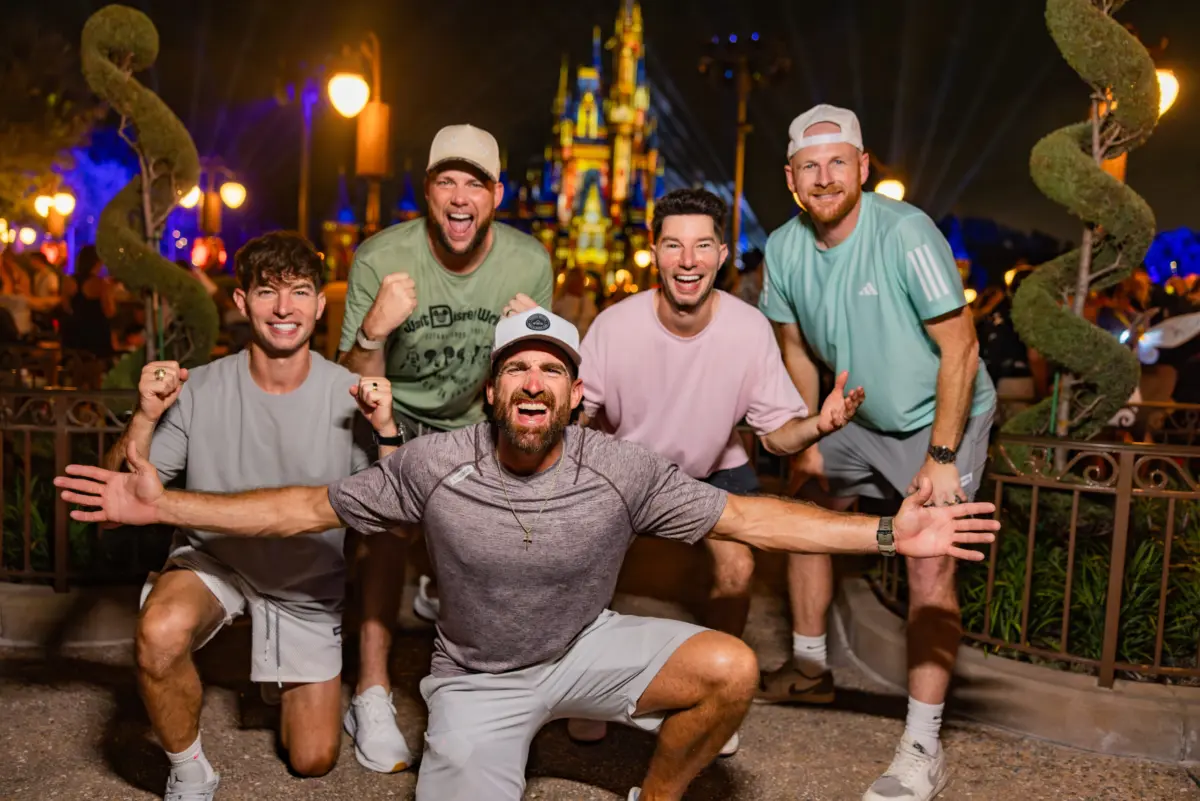
The partnership marks the latest milestone for Dude Perfect, a group founded in 2009 by Texas A&M University students Tyler Toney, Coby Cotton, Cory Cotton, Garrett Hilbert, and Cody Jones. What began as a series of viral YouTube videos showcasing intricate trick shots has transformed into an expansive media operation. Today, the group operates out of a massive 80,000-square-foot facility in Frisco, Texas, functioning more like a traditional production studio than a social media channel.
The group’s trajectory reflects the broader maturation of the creator economy. In early 2024, the company secured $100 million in funding from Highmount Capital. At the time, co-founder Coby Cotton indicated that the capital was intended to fuel a transition toward live events and physical product lines—sectors where Disney maintains an unrivaled global infrastructure. By aligning with Disney, Dude Perfect is essentially accelerating this transition, leveraging the Burbank-based company’s intellectual property and distribution channels to reach audiences beyond their core YouTube demographic.
Strategic Integration Into the Disney Ecosystem
Under the terms of the new agreement, Disney will begin integrating Dude Perfect’s library content into Disney+, providing the group with unprecedented access to a global streaming audience. However, the partnership goes beyond mere distribution; it involves the development of original programming tailored specifically for Disney platforms.
Disney has confirmed that the collaboration will center on several high-profile tentpole events. Among the projects currently in development are original content pieces tied to Super Bowl LXI, the highly anticipated 50th anniversary of the Star Wars franchise, and promotional integration for Marvel Studios’ upcoming film, Avengers: Doomsday. By embedding creators into these major cultural milestones, Disney is attempting to modernize its marketing and storytelling strategies to appeal to younger, digitally native audiences who may be less engaged with traditional television commercials.
A Growing Trend in Legacy Media
This deal follows a broader trend of traditional studios attempting to hedge against the decline of linear television by acquiring or partnering with popular digital creators. Disney has already begun experimenting with this model through previous agreements with creators such as Dhar Mann and the children’s content powerhouse Like Nastya. Additionally, the company recently finalized a partnership with TikTok to feature curated short-form content on Disney+, signaling a pivot toward embracing the bite-sized, algorithmically-driven content that dominates modern media consumption.
The shift is driven by stark industry data. According to recent Nielsen reports, while traditional linear viewership continues to face attrition, the time spent by younger demographics on digital creator platforms has grown exponentially. By bringing creators like Dude Perfect into the fold, Disney is not just gaining content; it is gaining a built-in, highly loyal audience and a proven methodology for engagement that can be applied to its existing franchises.
Historical Context and Past Collaborations
The relationship between the two entities is not entirely new. The groups previously collaborated on the video project “Going to Every Disney Park in 75 Hours,” which served as a proof-of-concept for how the two brands could align. The success of that venture demonstrated the potential for synergy: Dude Perfect provided the high-energy, personality-driven content style, while Disney provided the scale and production value of its theme parks.
The current deal, however, represents a formalization of that relationship. It moves from one-off promotional videos to a strategic integration that will influence Disney’s content roadmap for the next several years.
Official Responses and Corporate Strategy
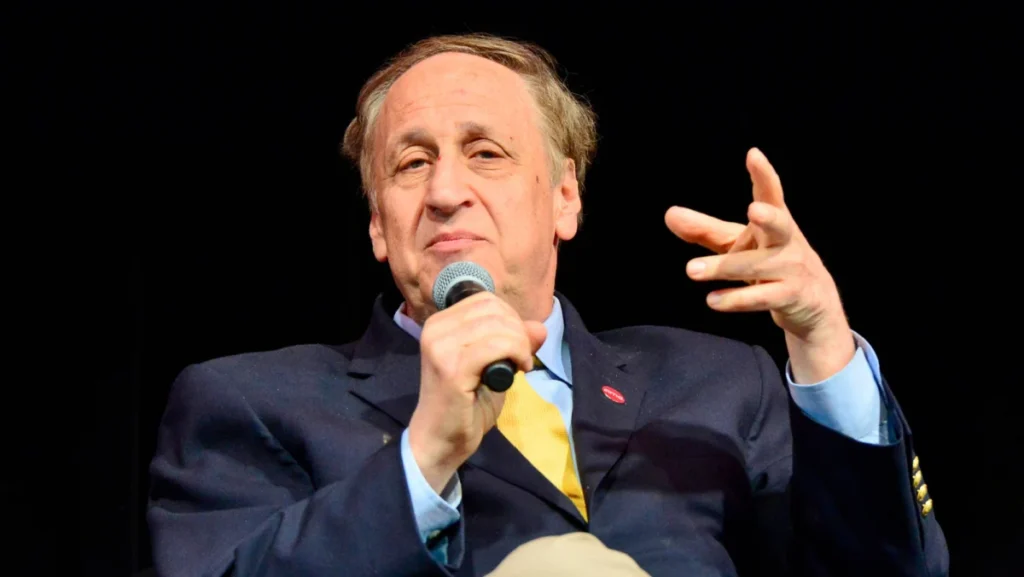
Asad Ayaz, Disney’s chief marketing and brand officer, framed the move as an evolution of Disney’s core identity. “Disney has always been a place where great storytellers come to create, and Dude Perfect brings a distinctive voice and an inventive approach to everything they do,” Ayaz said in an official statement. “By building on our longstanding relationship, we’re able to give fans even more ways to experience and be part of the Disney stories they love.”
From the perspective of the creators, the partnership represents a full-circle moment. Garrett Hilbert, one of the founding members of Dude Perfect, noted the personal significance of the deal. “We’ve been Disney kids forever, from wearing out the VHS tape of The Lion King to making core memories as a family at Disney World,” Hilbert stated. “Disney taught us to go big and dream, and that has shaped everything we’ve built. Now, we get to make more of those dreams come to life with the Disney team.”
Implications for the Creator Economy
Industry analysts suggest that this partnership serves as a validation of the “studio-creator” model. As platforms like YouTube and TikTok become the primary search engines for entertainment, major studios must decide whether to compete with creators or incorporate them. Disney’s strategy appears to be a hybrid approach: using its massive brand equity to provide a platform for creators, while simultaneously diversifying its content library to include more spontaneous, creator-led narratives.
For Dude Perfect, the partnership provides a layer of institutional stability that few creators ever achieve. By tapping into Disney’s consumer products division, they can scale their brand into retail environments—toys, apparel, and merchandise—with a reach that few independent entities can match.
For Disney, the primary challenge will be maintaining the brand’s integrity while allowing for the creative freedom that made Dude Perfect successful. If the integration of creator-led content proves successful on Disney+, it is likely that the company will continue to expand its portfolio of creator-partner deals, effectively transforming the platform into a hybrid of traditional high-budget cinema and high-volume, personality-driven digital content.
Future Outlook
As the media landscape continues to fragment, the marriage of traditional media giants and independent digital creators seems increasingly inevitable. The Dude Perfect deal is a high-stakes test of whether a legacy studio can successfully "capture" the lightning-in-a-bottle energy of an internet-native group without diluting the quality that made the group famous in the first place.
With the 50th anniversary of Star Wars and the release of Avengers: Doomsday on the horizon, the results of this partnership will be visible to the public sooner rather than later. If these projects successfully drive engagement among younger viewers who might otherwise ignore traditional marketing campaigns, this deal will likely become the blueprint for future talent acquisitions across the media and entertainment industry.
The industry will be watching closely to see how these two distinct cultures—the meticulously managed, globally recognized Disney brand and the unpredictable, fast-paced world of Dude Perfect—converge in the coming years. For now, the move confirms that in the current era of media, the largest studio in the world recognizes that the future of storytelling is increasingly being written in the studios of Texas and the algorithms of Silicon Valley.