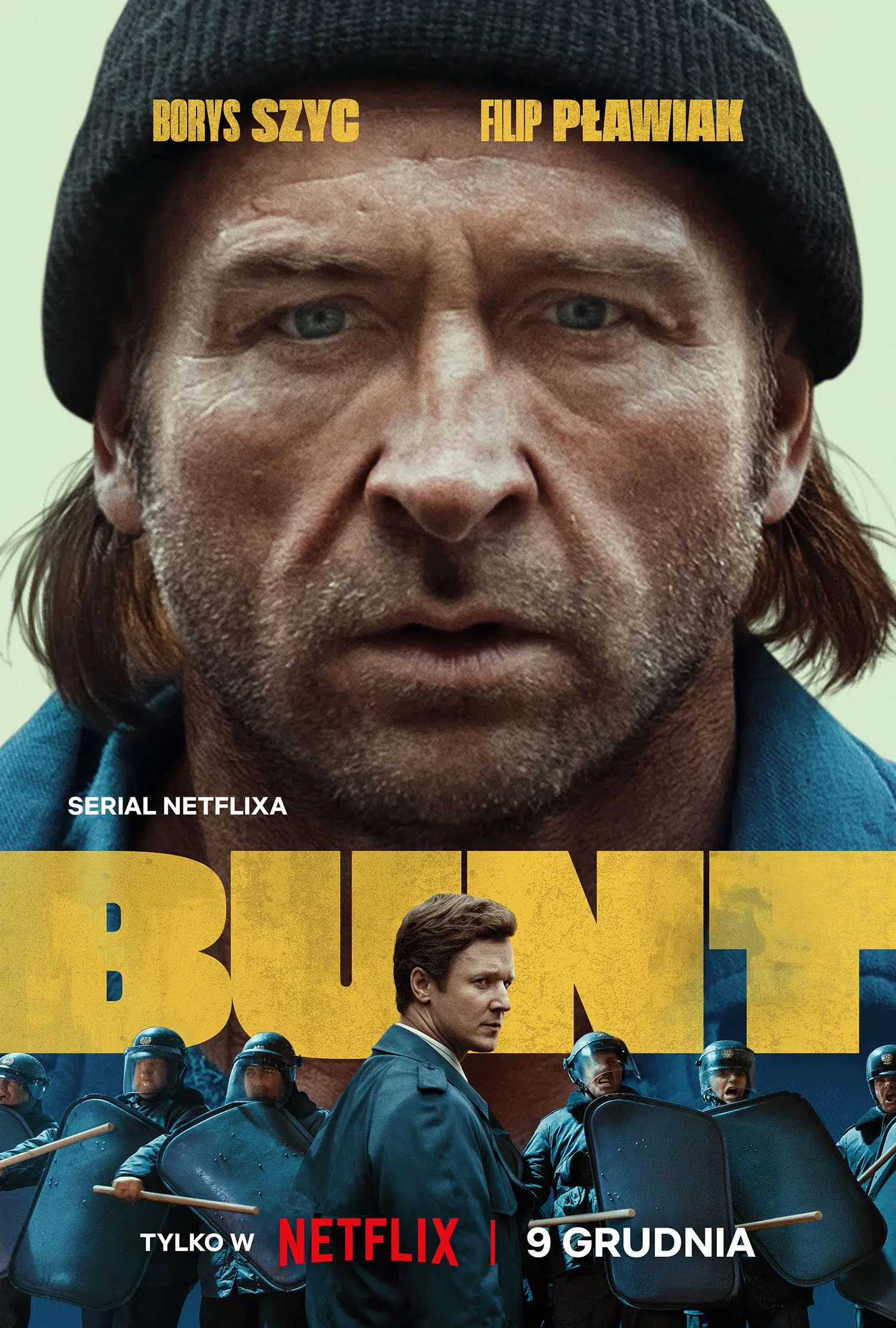
The landscape of international television drama is set to expand significantly with the upcoming global release of The Riot (known in Polish as Bunt), a six-episode limited series scheduled to premiere on Netflix on December 9, 2026. This hard-hitting production delves into one of the most turbulent and overlooked chapters of modern European history: the massive postwar prison uprisings that erupted across Poland in 1989. As the nation stood on the precipice of democratic transformation, the shockwaves of monumental societal change bypassed the monolithic penal system, setting the stage for a catastrophic collision between institutional authority and inmates pushed to the absolute brink.
Written by Łukasz Bluszcz and Marcin Kubawski and produced by Maciej Kubicki of Telemark, the series bridges the gap between historical documentary-style rigor and high-stakes narrative fiction. Directing responsibilities were strategically divided, with Mateusz Rakowicz helming episodes one, two, four, and five, while Marek Lechki took charge of episodes three and six. Through a meticulous combination of political context, psychological pressure, and raw human drama, The Riot promises to deliver a sobering examination of a nation in flux, viewed through the claustrophobic and volatile lens of a maximum-security institution.
Historical Background and Context of the 1989 Polish Uprisings
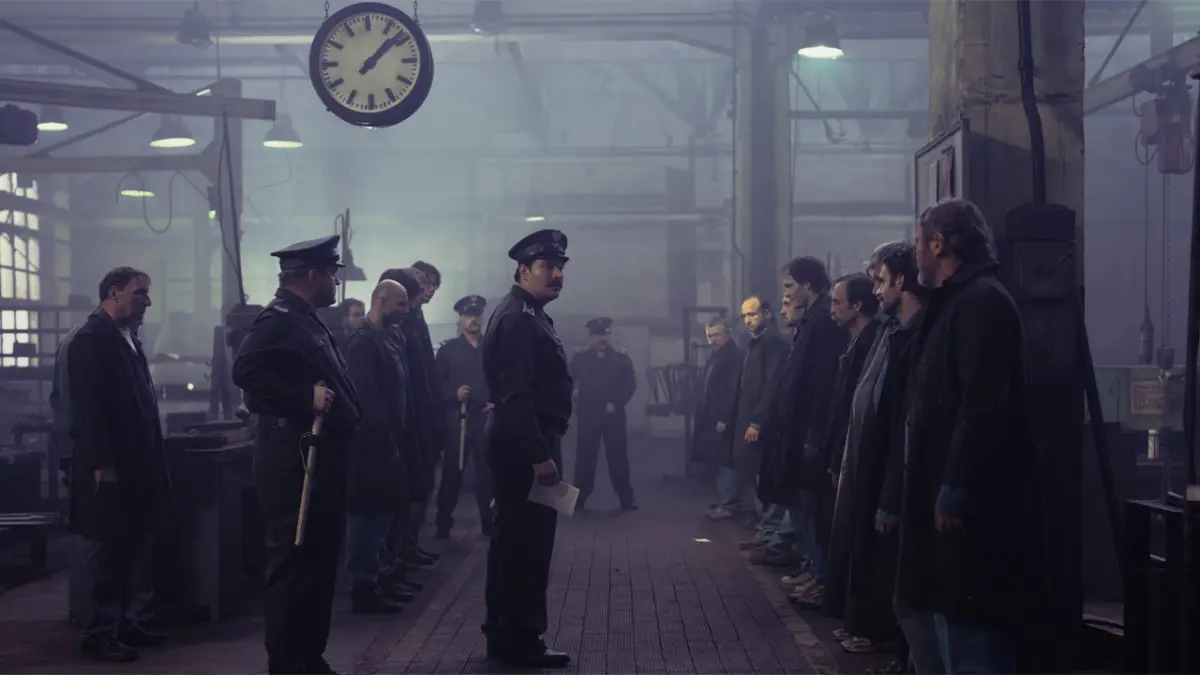
To fully understand the gravity of The Riot, one must examine the profound historical tectonic shifts occurring in Poland during the late 1980s. The year 1989 remains a watershed moment in European history, marked by the peaceful collapse of communism, the historic Round Table Talks, and the eventual dismantling of the Eastern Bloc. While citizens in the streets celebrated the prospect of newfound liberties, free elections, and the end of decades of authoritarian rule, the country’s penal facilities operated under a rigid, outdated, and brutal Soviet-style system that remained entirely insulated from these sweeping reforms.
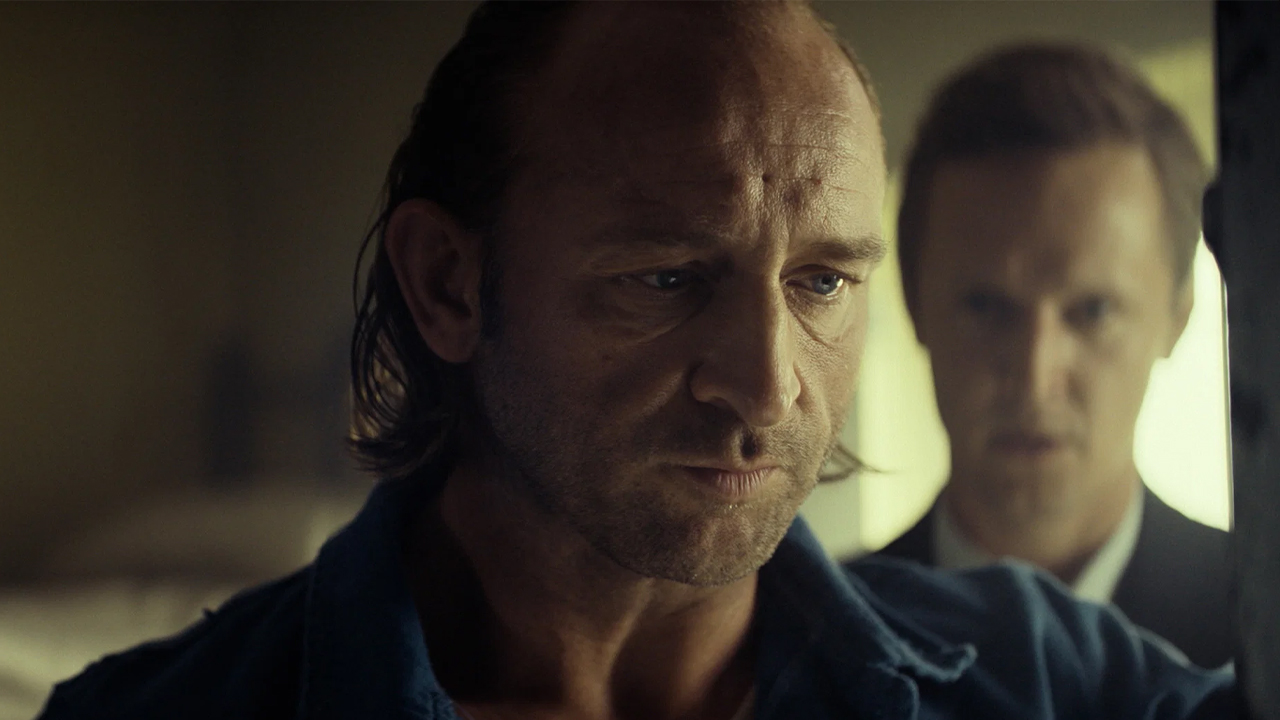
For the inmate population, the promises of freedom echoing from the outside world served as both a catalyst for hope and a source of profound despair. As overcrowding reached critical mass, human rights abuses went unchecked, and the administration struggled to maintain control over a system ill-equipped for the modern era, tensions reached a boiling point. The wave of prison riots that swept Poland in 1989 was among the largest and most destructive civil disturbances in postwar European history. Inmates occupied rooftops, took guards hostage, and issued sweeping demands for amnesty and systemic reform. These uprisings were not merely acts of criminal desperation, but complex sociopolitical protests reflecting the broader national convulsions occurring outside the prison walls.
Plot Dynamics and Narrative Structure
At its core, The Riot focuses on the agonizing human cost of historical transition. The official synopsis released by Netflix paints a grim picture of December 1989 Poland, where freedom and change were celebrated by society at large, while those incarcerated found that change was merely an elusive promise.
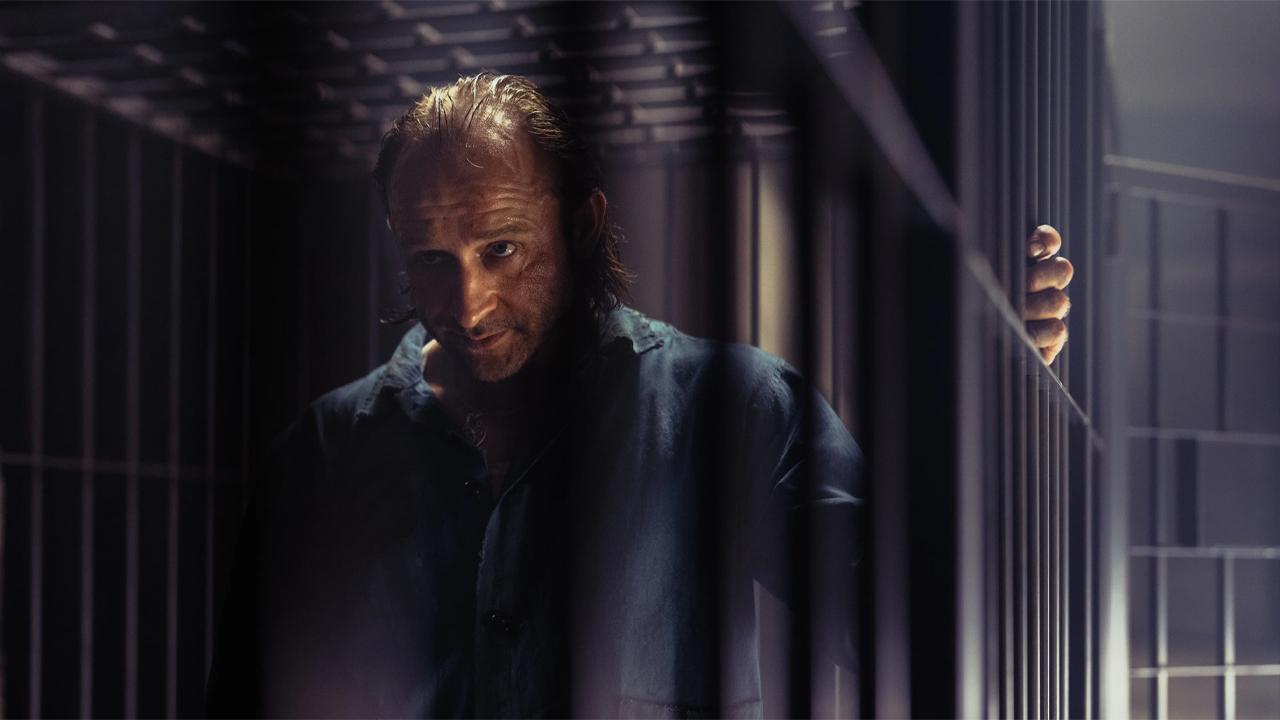
The narrative engine of the six-part series is driven by two former cellmates who find themselves thrust onto opposite sides of the iron bars as the rebellion erupts. One individual remains inside the cellblock, swept up in the collective rage and dangerous hope of the uprising, while the other occupies a position that forces him to navigate the perilous intersection of institutional duty and crisis management. Together, they must race against time to prevent the volatile situation from devolving into a catastrophic massacre. This personal dynamic serves as a microcosm of a divided nation attempting to transition from decades of oppression to an uncertain democratic future without tearing itself apart from the inside out.
Production Team and Creative Vision
The creative foundation of The Riot is deeply rooted in firsthand research and historical documentation. Screenwriter Łukasz Bluszcz has openly discussed the personal journey that led to the creation of the series, drawing a direct line from his earlier work as a documentary co-producer.
"We were inspired by real events—some of the largest postwar uprisings in Europe, which took place in Poland in 1989," Bluszcz stated. "Years ago, I co-produced a documentary about them, and ever since then, this story has stayed with me, as if it were demanding a more complete telling. It is incredibly complex—criminal, political, and historical—yet deeply human, because it touches on fundamental emotions and desires: the struggle for freedom, the need for dignity, and the hope for change. From the very beginning, our ambition was to create a series inspired by real events that would draw viewers right into the heart of the rebellion and let them feel its tension, what was at stake, and its emotional weight."
This commitment to authenticity is reflected in the production’s structural choices. Eschewing the conventional simplification often found in mainstream prison dramas, the writers and directors focused on the tripartite nature of the crisis: the criminal underworld operating within the cellblocks, the political pressures emanating from a shifting government bureaucracy, and the historical reality of a society breaking free from totalitarian constraints.
Cast and Character Breakdown
The production boasts an expansive, high-caliber ensemble cast featuring some of Poland’s most recognizable screen talent alongside rising stars in European cinema.
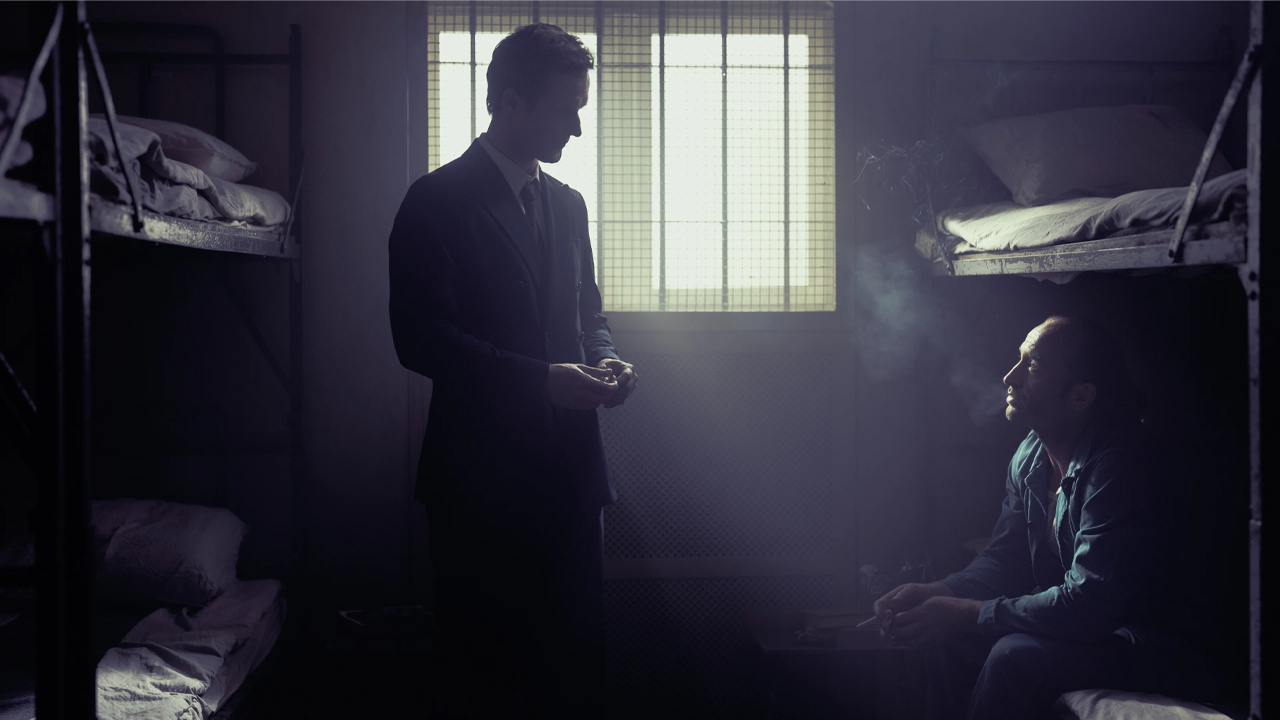
Leading the cast is Borys Szyc, who portrays a character named Reagan. Szyc is a familiar face to global audiences through his prolific collaborations with the streaming platform, having starred in prominent Netflix Original projects such as Autumn Girl, Detective Forst, Operation Nation, and Heweliusz. His inclusion brings significant gravitas to the project, anchoring the institutional and interpersonal conflicts at the heart of the narrative.
Filip Pławiak, recognized for his work in White Courage, steps into the role of Janek Chmielewski, a character whose narrative arc is closely tied to the political machinations surrounding the prison system. Meanwhile, Anita Szepelska (Mental) portrays Agnieszka Czajka, the prison psychologist caught in the psychological crossfire between the desperate inmate population and a rigid administrative hierarchy.
The supporting cast features a robust roster of actors portraying both sides of the carceral divide. Ryszard Kakietek (Mother’s Day), Michał Pietrzak (L for Love), and Michał Felczak (Dead End) embody the inmates driving the rebellion. Conversely, the security and correctional staff are brought to life by Filip Karaś (Accused), Marcin Cieślikowski (Hound’s Hill), Jan Aleksandrowicz-Krasko (Small World), Rafał Maćkowiak (Drowsiness), Artur Kujawa (Krew), Jacek Poniedziałek (Battle of Warsaw 1920), and Robert Wabich (365 Days). This diverse ensemble ensures that both the macro-level political environment and the micro-level interpersonal violence are rendered with nuance and authenticity.
Broader Impact and Implications for International Content on Netflix
The commissioning and global distribution of The Riot underscore Netflix’s continued strategic investment in high-end Central and Eastern European content. Over the past several years, the streaming giant has increasingly looked beyond traditional Anglo-American markets, successfully exporting region-specific historical dramas to a global audience. Shows that blend localized historical trauma with universal themes of justice, human dignity, and systemic oppression have consistently resonated across cultural boundaries.
Industry analysts note that projects like The Riot serve a dual purpose for the platform: satisfying local subscriber bases with culturally resonant storytelling while offering international viewers a unique educational and narrative window into lesser-known historical events. By framing the 1989 Polish prison riots not merely as a localized correctional crisis, but as a universal parable on the dangers of unfulfilled promises and the high cost of societal transition, the series transcends its specific geographical and temporal setting.
As the December 9, 2026 premiere date approaches, anticipation continues to build among critics and fans of international prestige television. With its meticulous attention to historical detail, stellar ensemble cast, and unflinching examination of a pivotal moment in modern European history, The Riot is poised to be one of the most talked-about international releases of the late television season.