The long-gestating adaptation of the legendary trading card game Magic: The Gathering has finally emerged from development limbo. Netflix, in a strategic partnership with Hasbro Entertainment and Wizards of the Coast, has released a definitive behind-the-scenes preview of the upcoming animated series, titled Planeswalker. This announcement marks a significant milestone for a project that has undergone several iterations over the past several years, signaling that the franchise is finally on track for a 2027 premiere.
A New Vision for the Multiverse
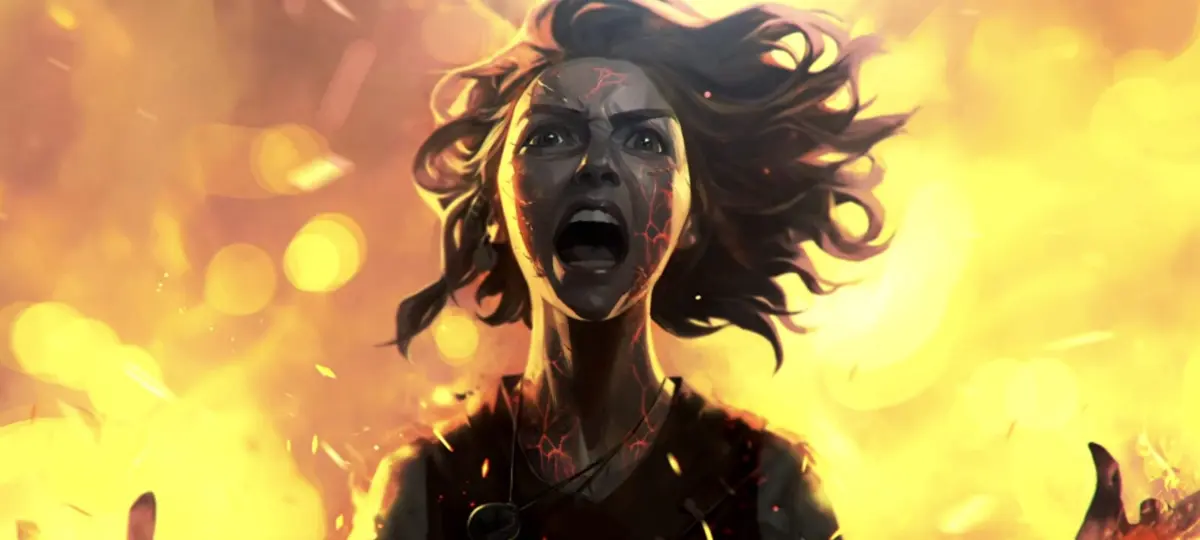
Planeswalker is poised to be an expansive fantasy epic, designed to capture the high-stakes narrative scope that has defined the Magic: The Gathering universe since its inception in 1993. The series centers on the character of Chandra Nalaar, a pyromancer whose volatile elemental abilities make her both a formidable combatant and a high-value target for various interdimensional factions.
The narrative framework follows Chandra as she navigates a fractured landscape, forced to form uneasy alliances with other iconic Planeswalkers to stave off an existential threat. The series is expected to delve deep into the lore of the Multiverse, a collection of disparate worlds linked by the “Blind Eternities,” where the titular Planeswalkers—individuals capable of traversing these dimensions—wield power that could reshape reality itself. By focusing on themes of internal struggle and the weight of immense power, the series aims to broaden the appeal of the franchise beyond its existing tabletop player base.
Production Leadership and Creative Direction
The creative stewardship of the project has been entrusted to showrunner Terry Matalas, whose recent work in high-concept science fiction has earned him significant industry acclaim. Matalas is joined by co-showrunner Cindy Appel, with the production team bolstered by executive producers Patrick Osborne and Gabriel Marano. Lauren Chavez-Myers serves as co-executive producer on behalf of Hasbro Entertainment, a reflection of the close oversight Hasbro is maintaining to ensure the series aligns with the established brand identity of Magic: The Gathering.
This collaborative approach is a direct result of the lessons learned from earlier, abandoned attempts to bring the property to the screen. By aligning the creative team with both the streaming powerhouse of Netflix and the intellectual property holders at Wizards of the Coast, the production seeks to balance cinematic storytelling with the deep-rooted canon of the card game.
The Evolution of the Magic: The Gathering Franchise
Magic: The Gathering has maintained a consistent cultural footprint for over three decades. Created by Richard Garfield and first published by Wizards of the Coast in 1993, it is widely considered the progenitor of the modern collectible card game genre. With over 50 million players globally and a robust secondary market, the franchise has sustained its relevance through constant updates, competitive play circuits, and a deeply layered narrative history.
The path to a screen adaptation has been a winding one. Initial discussions regarding a Magic: The Gathering film or television project date back to the early 2010s. However, the current iteration—the animated series under the Netflix banner—represents the most concerted effort to date. The release of the "Sneak Peek" video, which provides a glimpse into the art style and character design, serves as a formal commitment from the studio to bring the project to fruition by 2027.
A Two-Pronged Strategy: Animation and Live-Action
The announcement of the animated series does not occur in a vacuum. It arrives alongside news of a separate live-action feature film, further highlighting the aggressive expansion strategy currently being employed by Hasbro and its partners. Maya Hawke, known for her breakout performance in Stranger Things, has been cast to lead the live-action project.

This concurrent development suggests a multi-platform approach to the property. While the animated series will likely lean into the serialized, long-form storytelling that allows for complex character development, the live-action film directed by Matt Johnson will focus on a self-contained cinematic experience. Johnson, working from a script co-written with Noah Gardner and Aidan Fitzgerald, is tasked with grounding the fantastical elements of the game in a visceral, live-action setting. This two-pronged approach allows for the simultaneous exploration of different corners of the Magic multiverse, catering to both animation enthusiasts and fans of traditional blockbuster cinema.
Market Implications and Brand Expansion
The decision to invest heavily in the Magic: The Gathering intellectual property is part of a broader industry trend where major gaming companies are aggressively mining their portfolios for transmedia adaptations. Following the success of projects like Arcane (based on League of Legends) and Fallout, the pressure is on for fantasy franchises to deliver high-quality, canonical expansions.
For Hasbro, the stakes are substantial. By converting a card-based game into a narrative-driven television show, the company is attempting to lower the barrier to entry for potential new consumers. If Planeswalker succeeds, it could serve as a powerful marketing engine, driving interest back toward the physical card game and the digital platform, Magic: The Gathering Arena.
Analysts have noted that the "spark"—the term used within the game to describe the latent power of a Planeswalker—is a perfect narrative hook for a series. It provides a built-in mechanism for conflict, character growth, and world-building. However, the challenge remains in satisfying the core, long-term fanbase, who have spent years investing in the specific lore and aesthetic of the cards. The inclusion of Terry Matalas, known for respecting established fan expectations, is widely viewed as a strategic move to mitigate concerns from the existing community.
Looking Ahead: The 2027 Timeline
The 2027 release window provides the production team with ample time for the intensive animation and post-production processes required for a series of this scale. The transition from the "early development" stage shown in the sneak peek to a final product involves significant technical work, including motion capture, complex CGI rendering, and the integration of musical scores that reflect the tonal shifts of the various worlds within the game.
The industry will be watching closely as production continues. If the series can maintain the visual fidelity shown in the initial preview while delivering a narrative that resonates with both casual viewers and veteran players, it could mark a new chapter in the history of card game adaptations.
As the project progresses, stakeholders from Netflix and Hasbro are expected to release further details, including cast announcements for the voice talent and more concrete plot points regarding the specific "cataclysmic war" hinted at in the initial press materials. For now, the release of the teaser serves as a clear signal that the transition from tabletop to screen is finally, and definitively, underway.
In an era where franchise fatigue is a growing concern, the success of Planeswalker will likely depend on its ability to offer a unique visual language and a compelling human element that transcends its origins as a series of game mechanics. With the creative team firmly in place and the development timeline established, the coming years will be pivotal in determining whether Magic: The Gathering can secure its place in the modern streaming pantheon.