Glenn Danzig, the iconic frontman of the Misfits and director of the cult film Verotika, is poised to embark on a new directorial venture, helming an adaptation of his medieval horror comic series, Hellmask. The news, reported by The Hollywood Reporter, signals Danzig’s continued foray into filmmaking, drawing from his own established comic book universe. The project aims to bring the brutal, supernatural narrative of Hellmask to the screen, promising a violent tale steeped in gothic atmosphere, dark magic, and bloody medieval combat.
The Genesis of "Hellmask"
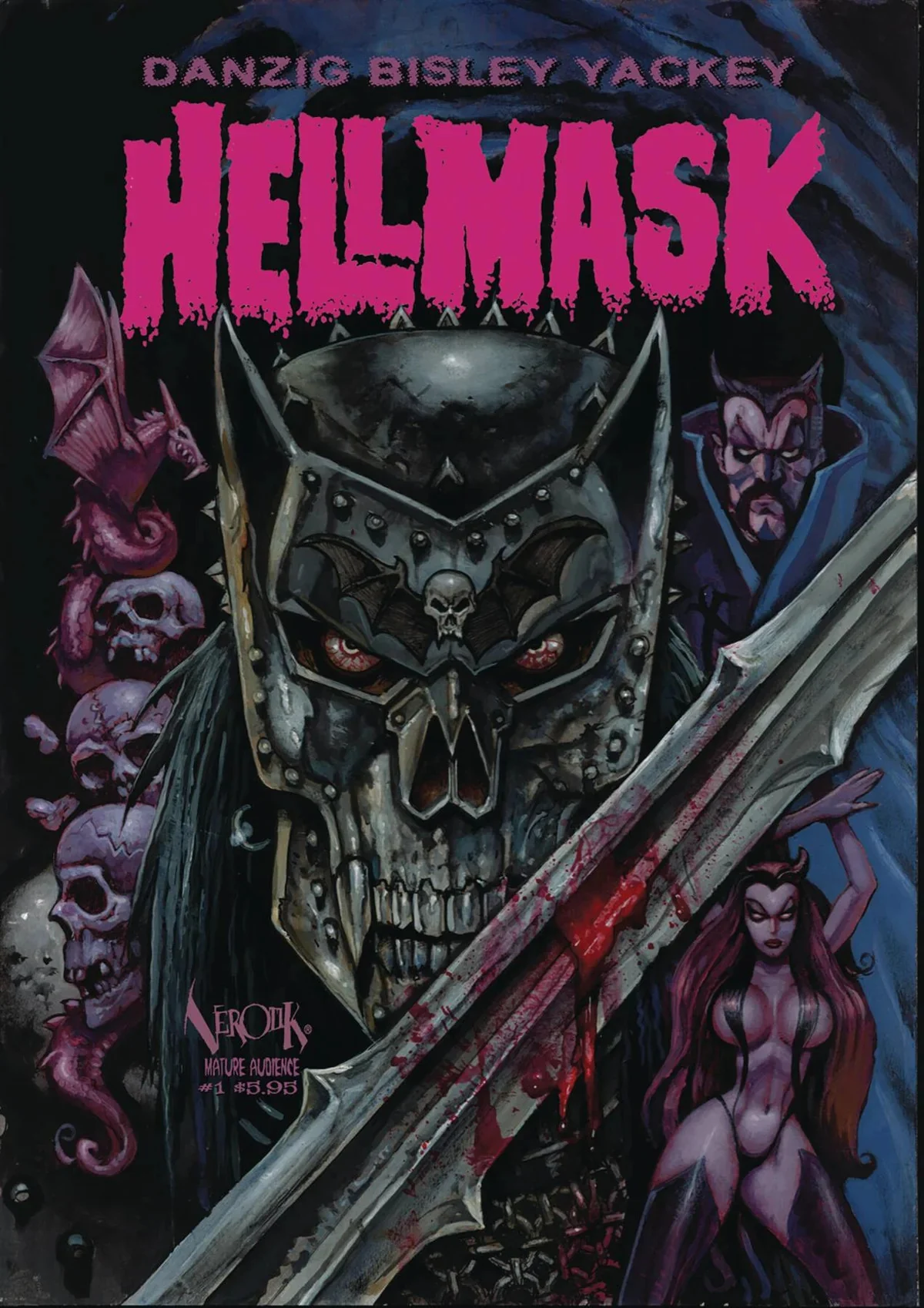
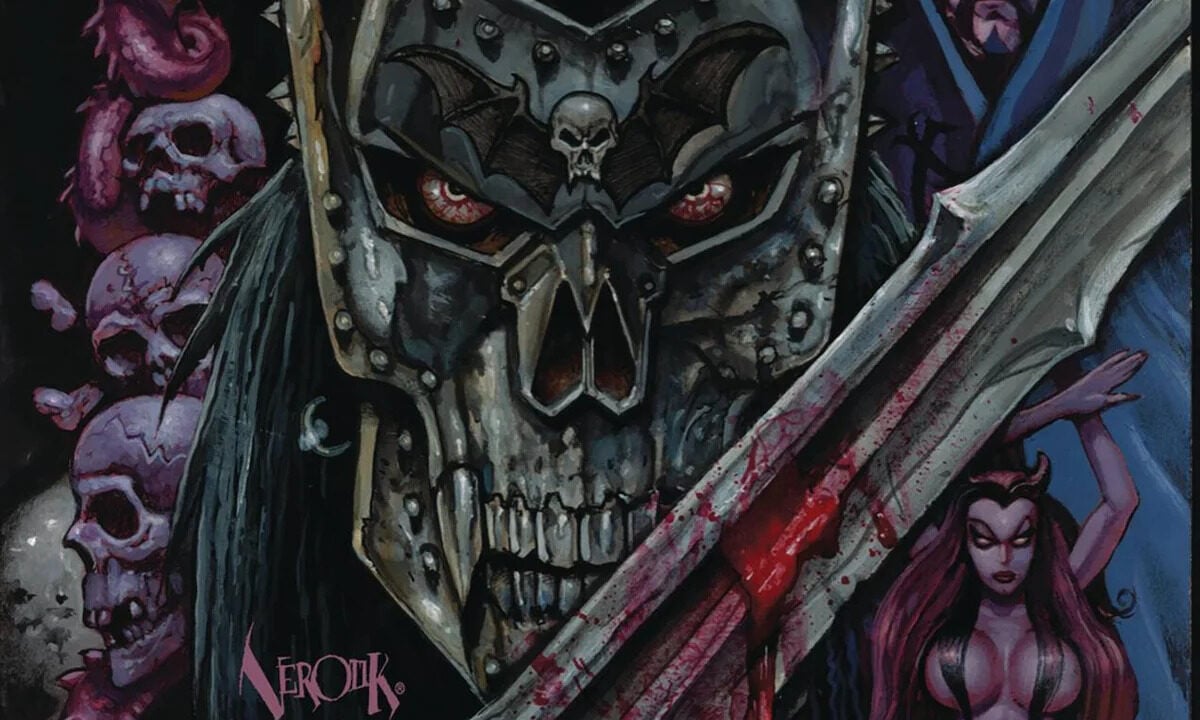
Hellmask is a creation of Danzig’s publishing company, Verotik, which has been a platform for his artistic endeavors beyond music. The comic series initially made its debut within the Verotik 30th Anniversary issue, released in October 2023. This introduction served as a prelude to the full-fledged comic series, hinting at the dark and visceral world Danzig envisioned. The comic itself is described as a violent supernatural tale set against a brutal medieval backdrop, characterized by armored warriors, immense bloody battle sequences, and pervasive dark magic. This description aligns with Danzig’s established aesthetic, which often blends horror, fantasy, and a distinct gothic sensibility.
The decision to adapt Hellmask into a film represents a natural progression for Danzig, who has previously demonstrated his directorial aspirations with Verotika. While Verotika garnered a niche following and generated considerable discussion for its unapologetic and often controversial content, it laid the groundwork for Danzig’s ambitions in cinematic storytelling. Hellmask, with its medieval setting and explicit focus on horror and action, appears to offer a more cohesive and potentially broader appeal, allowing Danzig to explore themes he is deeply familiar with and passionate about.
Production and Creative Team
James Cullen Bressack, known for his work on films such as Darkness of Man, is attached to produce Hellmask. Bressack’s experience in the horror and action genres suggests a synergistic partnership that could translate Danzig’s comic book vision effectively to the screen. The involvement of an experienced producer like Bressack is crucial for navigating the complexities of film production, from securing financing to assembling a capable crew.
The visual representation of Hellmask, as hinted at by accompanying artwork, suggests a strong emphasis on gore, sex, and dark fantasy, elements that have become synonymous with Danzig’s creative output. This visual style is likely to be a defining characteristic of the film adaptation, appealing to fans of extreme horror and gothic fantasy. The artwork itself often serves as a potent indicator of the tone and thematic content of the source material, and for Hellmask, it paints a picture of a raw and unvarnished descent into a brutal, supernatural world.
Timeline and Anticipation
The article notes that the hope is for Hellmask to commence production in August. This timeline, if adhered to, would indicate a swift move from announcement to principal photography. The rapid development of such a project often suggests a high level of pre-production work, including script finalization, casting, and location scouting, has already taken place. The summer production start also positions the film for potential festival premieres or a release in the subsequent year, allowing ample time for post-production and marketing.
Fans of Glenn Danzig, his music, and his previous film work are likely to greet this news with significant anticipation. Danzig’s cult status, cultivated over decades with bands like the Misfits, Samhain, and his solo career, has endowed him with a dedicated following that eagerly supports his diverse creative ventures. His transition into directing has been met with both curiosity and a degree of expectation, with many eager to see how his unique vision translates to the cinematic medium. The Hellmask adaptation offers him an opportunity to build upon his directorial experience and deliver a project that is deeply rooted in his own creative output.
Context and Broader Implications
The adaptation of comic books into films remains a dominant trend in the entertainment industry. While superhero franchises have long dominated the landscape, there has been a growing interest in adapting a wider range of comic genres, including horror, fantasy, and independent titles. Danzig’s Hellmask fits into this broader trend, showcasing the potential for niche comic properties to find a cinematic audience.
Danzig’s previous directorial effort, Verotika, was an anthology film based on his other comic series. It was noted for its explicit content and unconventional narrative structure, polarizing critics and audiences alike. However, it also cemented Danzig’s commitment to bringing his distinct brand of dark storytelling to the screen. Hellmask, with its singular narrative focus and medieval setting, presents a different kind of challenge and opportunity for the filmmaker. The success of Hellmask could further legitimize Danzig as a filmmaker and potentially open doors for further adaptations of his Verotik comic universe.
The "brutal medieval backdrop filled with dark magic, armored warriors and massive bloody battle scenes" described for Hellmask aligns with popular cinematic trends that favor historical fantasy and action. Films such as Game of Thrones, The Witcher, and Vikings have demonstrated a significant audience appetite for medieval settings infused with supernatural elements and intense combat. Hellmask has the potential to tap into this existing interest, offering a distinct gothic and horror-infused perspective within the genre.
The production timeline, targeting an August commencement, also places Hellmask in a competitive release window. The film industry is constantly seeking fresh content, and a project with the unique pedigree of Glenn Danzig at the helm, drawing from his established comic IP, is likely to generate significant buzz. The success of such an endeavor will depend on a multitude of factors, including the quality of the script, the execution of the visual effects, the performances of the cast, and the overall directorial vision.

Analysis of Potential Impact
The adaptation of Hellmask carries potential implications for both Glenn Danzig’s career and the landscape of independent horror filmmaking. For Danzig, it represents another significant step in his evolution as a multidisciplinary artist. His ability to translate his creative visions across music, comics, and film has made him a unique figure in popular culture. A successful film adaptation of Hellmask could further solidify his legacy and introduce his work to a wider audience.
From a broader perspective, the project highlights the continued viability of adapting independent and niche comic book properties. While major studios often focus on established franchises, projects like Hellmask demonstrate that compelling stories from smaller publishers can find their way to the screen. This can encourage other creators and publishers to explore cinematic avenues for their work, potentially diversifying the types of stories that reach mainstream audiences.
The involvement of James Cullen Bressack also speaks to the collaborative nature of filmmaking. Bressack’s expertise in genre filmmaking can complement Danzig’s creative vision, ensuring that the practical aspects of production are handled with skill and efficiency. This partnership is crucial for transforming a comic book narrative into a compelling cinematic experience.
Ultimately, the announcement of Glenn Danzig directing Hellmask is a significant development for fans of horror, dark fantasy, and the multifaceted artist himself. The project promises to deliver a visceral and atmospheric journey into a world of medieval brutality and supernatural terror, drawing directly from Danzig’s established creative canon. The coming months will reveal more about the cast and the specific direction Danzig intends to take with this ambitious adaptation, but the anticipation for what he will bring to the screen is palpable. The fusion of Danzig’s distinctive aesthetic with the demands of cinematic storytelling in a medieval horror setting presents an intriguing prospect for the future of genre filmmaking.