The transformation of a human into a beast is a trope that has dominated cinema for over a century, yet director Robert Eggers is poised to dismantle the conventions of the genre with his latest feature, Werwulf. While traditional depictions of lycanthropy often focus on the spectacle of the shift or the ensuing carnage, Eggers is anchoring his narrative in the harsh, unforgiving realities of 14th-century England. Central to this approach is the pragmatic survivalism of the protagonist, played by Aaron Taylor-Johnson, who must navigate the logistical nightmare of maintaining a meager existence while harboring a lethal, uncontrollable secret.
A Study in Medieval Scarcity
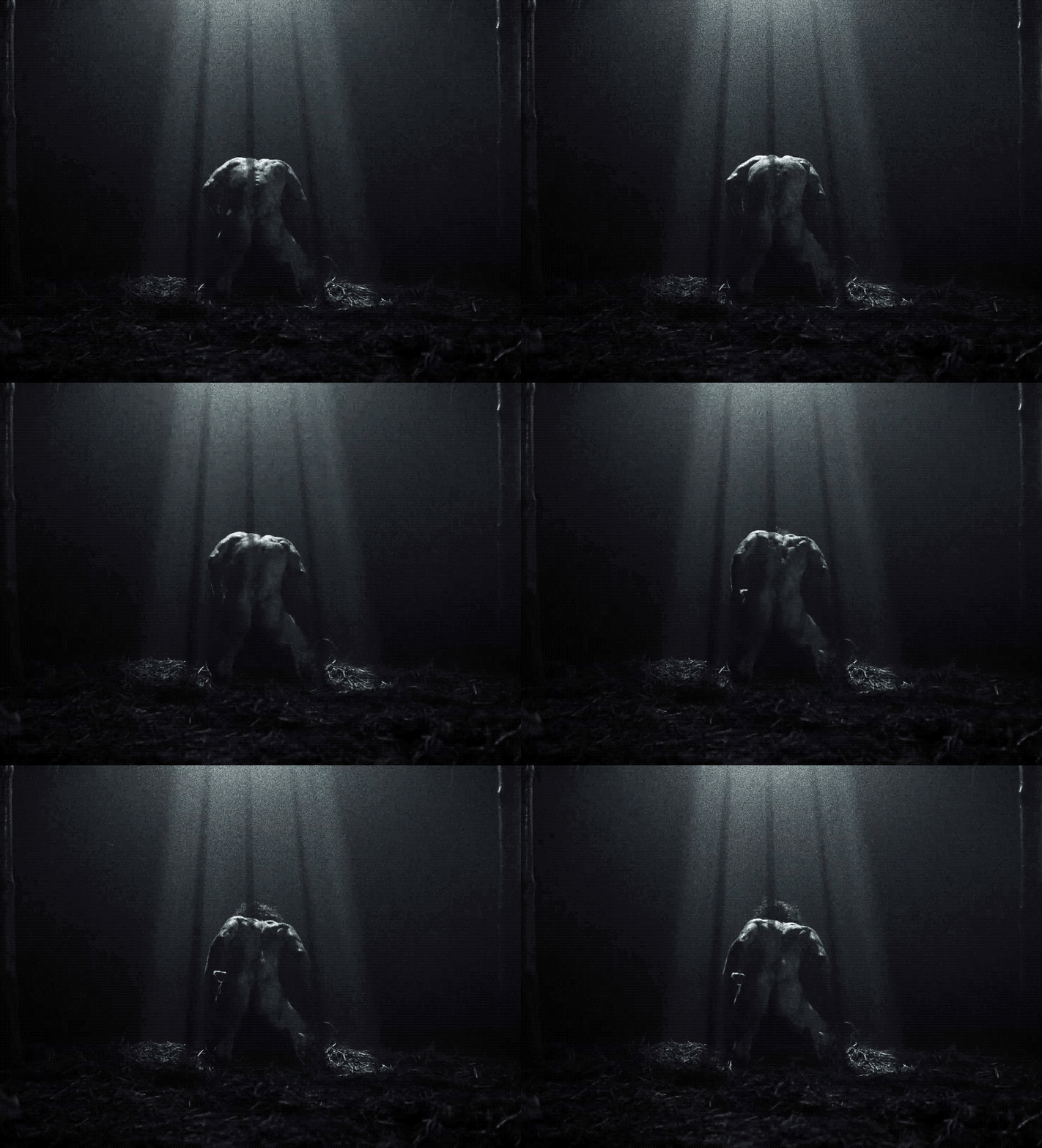
The narrative focus of Werwulf diverges sharply from the Hollywood standard where clothing is treated as disposable. In the film, Taylor-Johnson’s character, an impoverished farmer struggling to survive the famine and strife of 1305 England, views his garments not as accessories, but as essential, irreplaceable assets. According to production notes provided by Focus Features, the character’s ritual of removing and hiding his clothing prior to his transformation is born of pure economic necessity. In a world where a tunic might represent a significant portion of a household’s net worth, the destruction of a shirt during a violent transformation would be a catastrophic personal loss.
This focus on historical accuracy is a hallmark of Eggers’ directorial style, previously seen in The Witch and The Northman. By grounding the horror in the genuine struggles of the medieval peasantry, Eggers elevates the stakes from mere survival against a monster to a desperate fight to maintain a threadbare life in a society that offers no safety net for the destitute.
The Art of Mending: Costume Design as Historical Narrative
To capture the visual authenticity required for such a grounded setting, costume designer Linda Muir faced the monumental challenge of recreating the wardrobe of a 14th-century village. Muir’s approach was rooted in the reality of medieval life, where textiles were precious and recycling was not a choice, but a requirement for survival.

During the era depicted in the film, the concept of a "wardrobe" was non-existent for the common class. Clothing was passed down through generations, often regardless of fit, until it reached a state of total degradation. Muir utilized the technique of "mending on mending," a process where garments were patched repeatedly until the original fabric became nearly unrecognizable. Buttons, which are often overlooked in period dramas, were treated as status symbols; for a peasant, a button represented a luxury that most could never hope to afford.
The sheer scale of the production’s costume department underscores the commitment to this aesthetic. Muir’s team manufactured 192 complete, historically accurate costumes. This involved the creation and curation of over 1,300 individual pieces. To achieve the lived-in, decaying look required by the film’s grim atmosphere, the production team went to the extreme length of sewing and fitting garments only to systematically damage them, then mending those tears with historically appropriate techniques to mimic years of wear and tear.
Chronology and Production Context
The development of Werwulf has been highly anticipated since its announcement, marking a significant turn for Eggers, who is widely considered one of the most meticulous directors working in modern horror. The project represents a continuation of his interest in folklore, but with a specific emphasis on the intersection of superstition and material deprivation.
- Pre-Production (Early 2025): The production team began extensive research into the agrarian living conditions of early 14th-century England. Historical consultants were brought on to ensure that the material culture, from the fabrics to the agricultural tools, matched the period.
- Principal Photography (Mid-2025): Filming took place on location, utilizing environments that could replicate the harsh, muddy landscapes of the medieval period. The production design was intentionally kept minimalist to reflect the extreme poverty of the setting.
- Post-Production (Late 2025): Focus shifted to the integration of practical effects. Unlike many contemporary werewolf films that rely heavily on CGI, Werwulf prioritizes tactile, practical effects to maintain the film’s grounded, visceral tone.
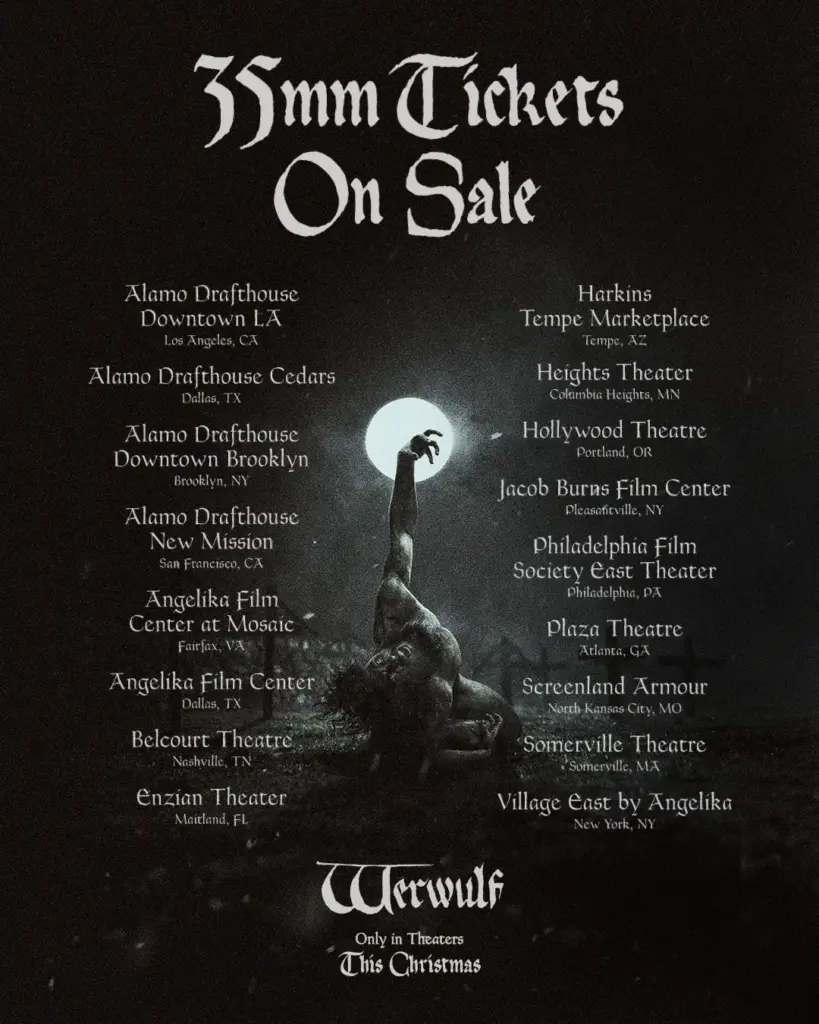
- Release (December 2026): The film is scheduled for a wide theatrical release on Christmas Day, a date that contrasts sharply with the bleak, wintry tone of the narrative.
Economic and Sociological Implications
The focus on the material cost of the transformation in Werwulf serves as an allegory for the broader economic precarity of the medieval period. Historians note that the early 14th century in England was characterized by the Great Famine (1315–1317), preceded by years of poor harvests and economic instability. By setting the film in 1305, Eggers places his characters on the precipice of a societal collapse.
The "mending on mending" approach is not merely a costume detail; it is a sociological statement. It reflects the scarcity of resources and the ingenuity required to simply stay covered in a cold, unforgiving climate. By emphasizing the protagonist’s struggle to hide his clothes, Eggers is highlighting the psychological burden of the monster—it is not just the fear of being discovered that haunts the character, but the fear of losing the few meager possessions that define his existence as a man rather than a beast.

Critical Reception and Audience Expectations
Early industry buzz surrounding Werwulf has been overwhelmingly positive, with critics pointing to the production design as a potential frontrunner for technical awards. The decision to eschew the "big-budget spectacle" in favor of "gritty realism" is being viewed as a strategic move by Eggers to reclaim the werewolf subgenre from the tropes of modern action-horror.
Aaron Taylor-Johnson’s performance is reportedly one of the most physically demanding of his career, requiring a delicate balance between the primal rage of the creature and the quiet, desperate exhaustion of the man. The actor has stated in production notes that the physicality of the role extends beyond the transformation scenes; it is found in the way the character moves through the world, constantly aware of his own vulnerability.
Broader Impact on the Horror Genre
The success or failure of Werwulf will likely have a ripple effect on how horror films approach period pieces in the coming years. If the film resonates with audiences, it could signal a shift away from the "polished" historical aesthetic that often plagues period dramas, toward a more authentic, perhaps even uncomfortable, portrayal of the past.
By focusing on the mundane logistics of survival—what to do with one’s clothes, how to mend a tunic, how to feed a family when the crops are failing—Eggers is making the horror of the werewolf secondary to the horror of the reality. The werewolf is the catalyst for the drama, but the famine and the social structure are the true antagonists. This inversion of priorities is what sets Werwulf apart from its predecessors.
As the film prepares for its Christmas release, the industry is watching closely. The fusion of high-concept horror with low-concept historical realism is a difficult balance to strike, but if Werwulf succeeds, it will likely be cited as a seminal work in the evolution of the genre, proving that the most terrifying stories are those that remain rooted in the visceral, tactile reality of the human condition.