Netflix has expanded its streaming catalog with a surprise addition to its dedicated hub of companion material, introducing a brand-new second season of behind-the-scenes features tied directly to the streaming platform’s expanding universe of the beloved franchise. This unannounced release arrives simultaneously with the global rollout of the highly anticipated LEGO One Piece animation specials, providing subscribers with an exclusive look behind the creative curtain of how the iconic pirate saga was translated into brick-based animation. The timing of this release strategically capitalizes on the heightened fan engagement surrounding the franchise, as viewers eagerly anticipate the upcoming third season of the live-action adaptation, subtitled The Battle of Alabasta.
The newly deployed batch of companion programming resides within the official One Piece Bonus Content catalog on the streaming service, a dedicated space that first debuted in March. That initial rollout was designed to pull back the curtain on the complex production mechanics of the live-action series’ second season, offering viewers detailed breakdowns of intricate visual effects, rigorous stunt choreography, and expansive set designs spearheaded by Tomorrow Studios. This latest update introduces a distinct, two-episode mini-season titled LEGO One Piece: More to Explore, specifically tailored to document the unique crossover between Eiichiro Oda’s legendary manga universe and the Danish toy giant’s signature aesthetic.
Context and Chronology of the Franchise Expansion
The genesis of this unexpected bonus drop can be traced back to the strategic rollout of Netflix’s live-action adaptation, which fundamentally shifted the streaming service’s approach to anime-to-live-action conversions. By proving that serialized, high-budget adaptations of notoriously expansive source material could achieve both critical acclaim and massive global viewership, Netflix established a dedicated pipeline for recurring content. The live-action series successfully bridged the gap between traditional anime enthusiasts and mainstream television audiences, prompting the platform to invest heavily in supplementary material that maintains subscriber retention between major seasonal premieres.
In the months following the conclusion of the live-action production cycle, the creative team began exploring alternative storytelling mediums to keep the community engaged. This led to the greenlighting of the two-part LEGO animation special. Narrated by the character Usopp—widely celebrated in the fandom as the narrative’s quintessential unreliable narrator—the LEGO special functions as an accelerated, comedic recap of the first two seasons. It utilizes a self-aware, over-the-top comedic tone characteristic of brand-integrated LEGO media. To support this release, production crews documented the crossover’s development, culminating in the surprise release of the More to Explore companion episodes on the platform.
Production Insights and Voice Acting Dynamics
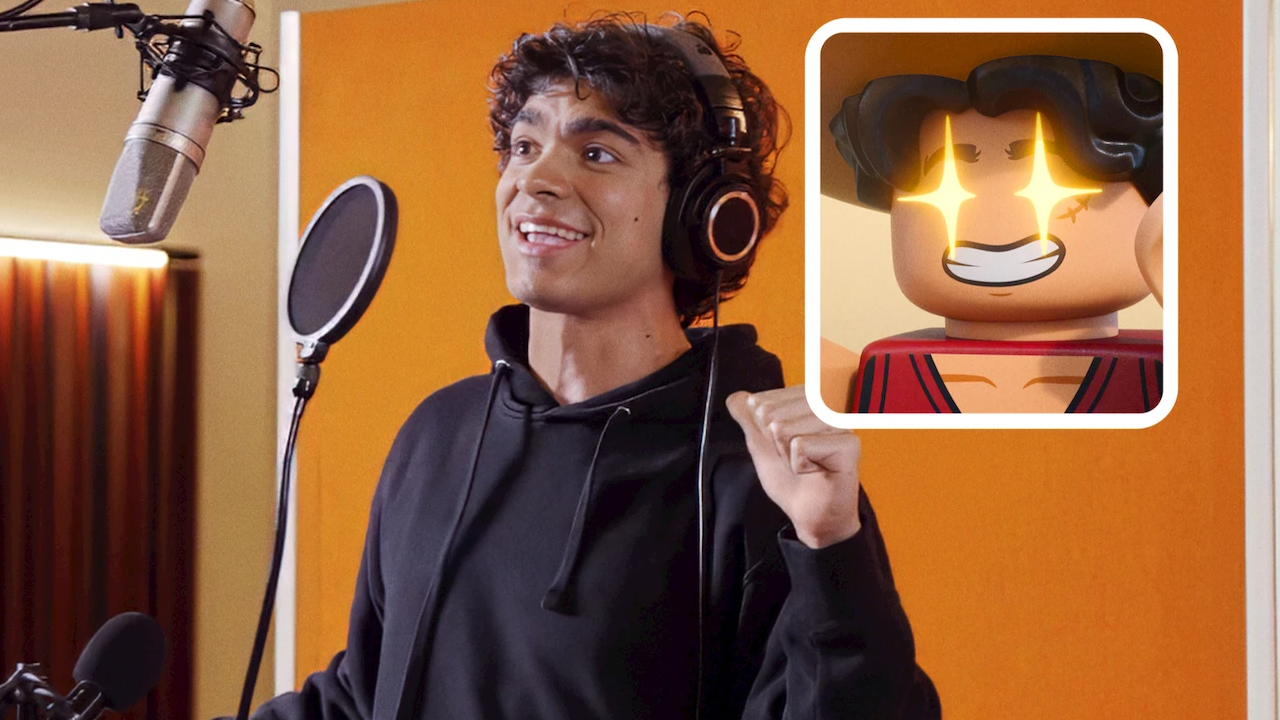
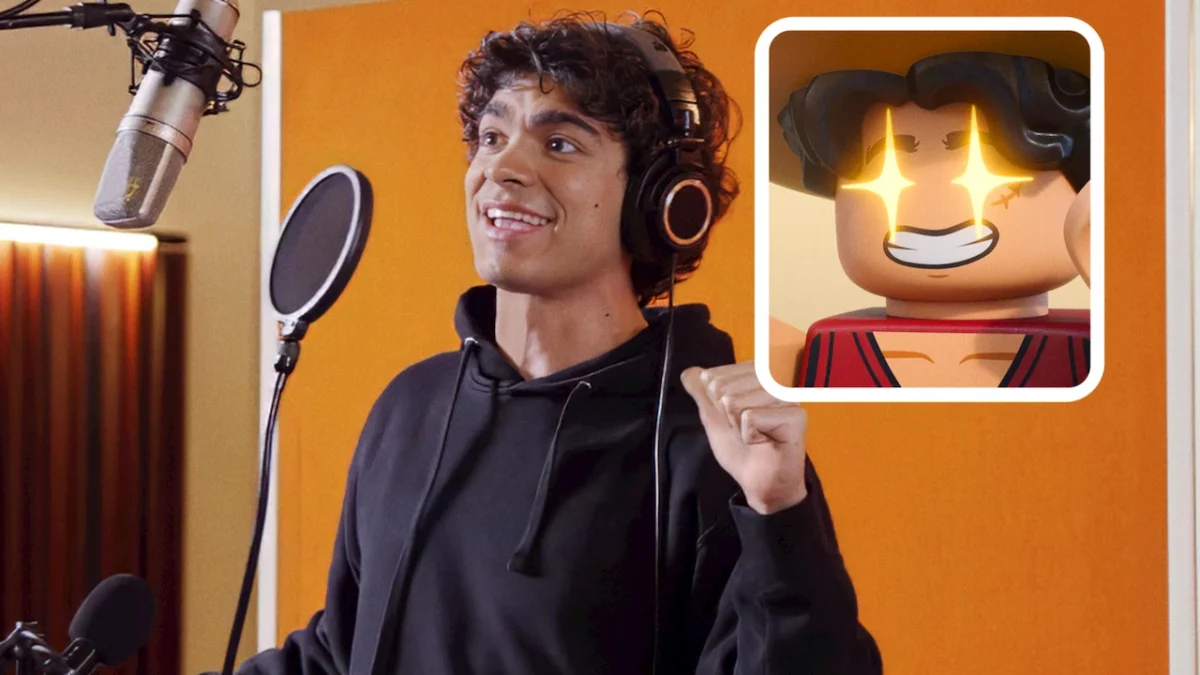
The newly added companion episodes offer a fascinating glimpse into the recording booths where the live-action cast transitioned from physical acting to vocal performances for animated block characters. According to statements from showrunner Tom Hyndman, the transition was remarkably smooth due to the actors’ prolonged immersion in their respective roles. Having spent years embodying characters such as Monkey D. Luffy, Roronoa Zoro, and Nami, the primary cast possessed an innate understanding of their character dynamics that required minimal adjustment during the voice-recording sessions.
Hyndman noted that the primary directive given to the actors during the recording process was to dial up their energy significantly. In traditional live-action formats, performances must remain grounded within physical limitations and realistic spatial boundaries. However, the uninhibited nature of LEGO animation permits a boundless expansion of vocal energy. Directors frequently instructed the ensemble to push their delivery to comedic extremes, operating under the production philosophy that within the stylized world of LEGO, a performance can never truly be over-the-top. Side-by-side footage featured within the second episode of the bonus content showcases this exact phenomenon, displaying split screens of the actors in the recording studio juxtaposed with the corresponding animated sequences.
Furthermore, the bonus material features segments where cast members unbox their personalized LEGO minifigures, providing a lighthearted human element to the corporate collaboration. These unscripted reactions capture the genuine enthusiasm of actors who grew up interacting with the toy brand, reinforcing the synergistic relationship between Netflix, Shueisha, and the LEGO Group. While the second episode of the mini-season is notably brief and lighter on technical filmmaking breakdowns compared to previous multi-part documentary runs, it successfully serves as a celebratory dessert following the main feature.
Broader Implications for Streaming Strategy
The unannounced release of the LEGO One Piece bonus content highlights a broader, evolving trend in modern streaming architecture: the utilization of micro-content and surprise drops to sustain algorithmic momentum and community engagement. In an era where viewer attention spans are heavily contested by competing entertainment conglomerates, maintaining continuous dialogue with a fandom is essential for long-term IP sustainability. By packaging behind-the-scenes footage, unboxing segments, and brief production diaries into distinct seasonal containers, Netflix effectively transforms a standard content release into an interactive multi-platform event.
This methodology also underscores the increasing commercial value of cross-promotional licensing agreements. The collaboration between the live-action adaptation and the LEGO Group represents a multi-tiered marketing strategy designed to capture multiple demographics simultaneously. Younger audiences introduced to the franchise through the toy line are funneled toward the animated specials, while adult fans of the live-action series are incentivized to explore the bonus content hub, thereby increasing overall platform engagement metrics.
As production continues on the live-action adaptation’s third season, industry analysts anticipate that Netflix will continue deploying similar auxiliary content strategies. These tactical releases serve a dual purpose: they alleviate the prolonged waiting periods between major seasonal debuts—often referred to in the industry as drought periods—while simultaneously validating the substantial financial investments poured into franchise-building. For the global fanbase of the Straw Hat Pirates, these unexpected digital drops ensure that the voyage across the Grand Line remains active, dynamic, and continuously supplemented by official supplementary material regardless of the primary broadcast calendar.