
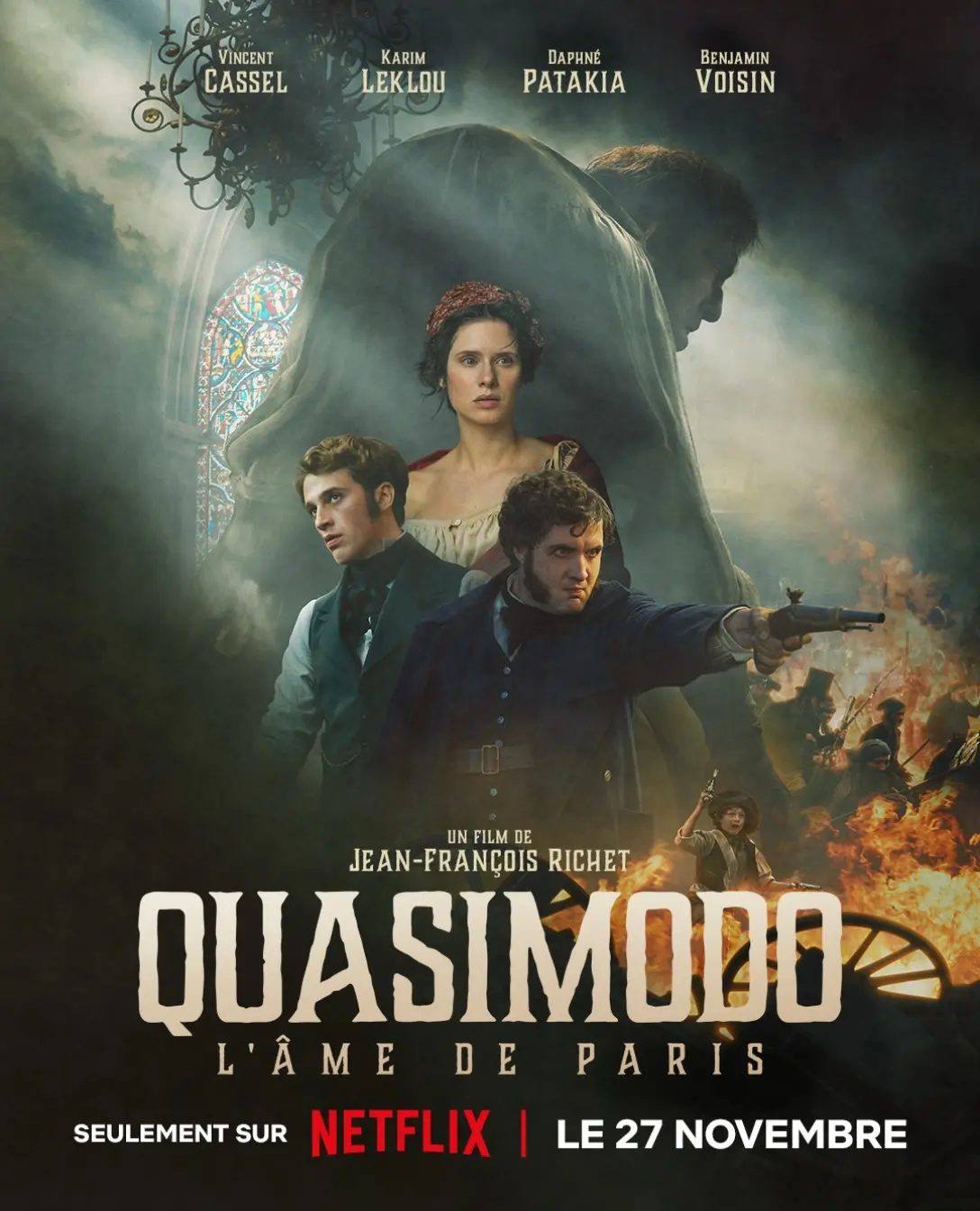
Netflix is preparing to launch one of its most ambitious international film projects to date, shifting Victor Hugo’s legendary 1831 masterpiece, The Hunchback of Notre-Dame, away from traditional adaptations and into the realm of gritty historical thriller and action drama. Formerly developed under the working titles Quasimodo, l’âme de Paris and Quasimodo, the Soul of Paris, the newly retitled French epic The Hunchback, Soul of Paris is scheduled for a worldwide streaming release on November 27, 2026. Backed by a substantial reported budget of approximately €30 million, the feature stands as a major cornerstone of Netflix’s European programming strategy, trailing only the highly anticipated return of Lupin as a focal point of French-language content discussions.
Plot Premise and Historical Context
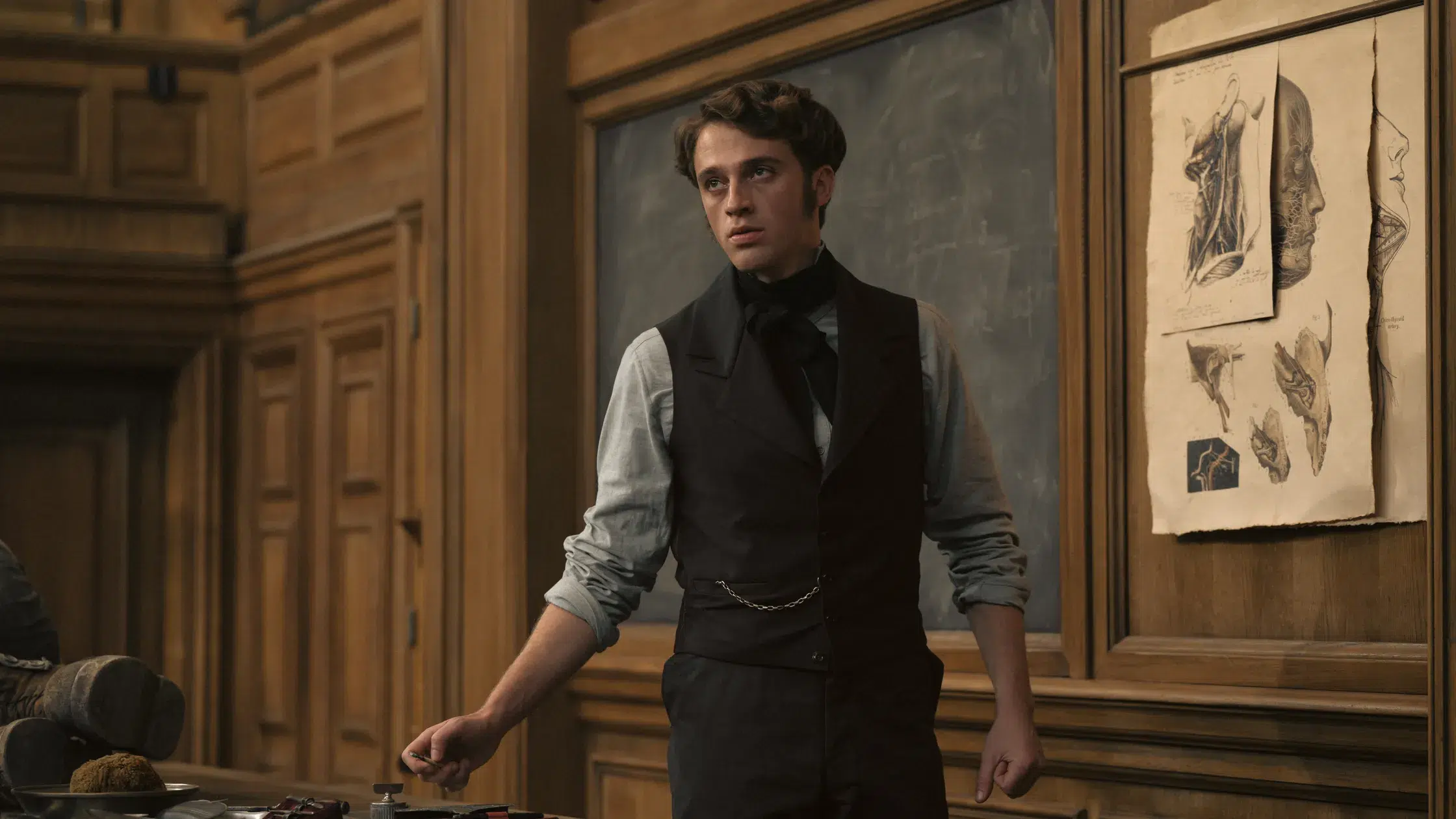
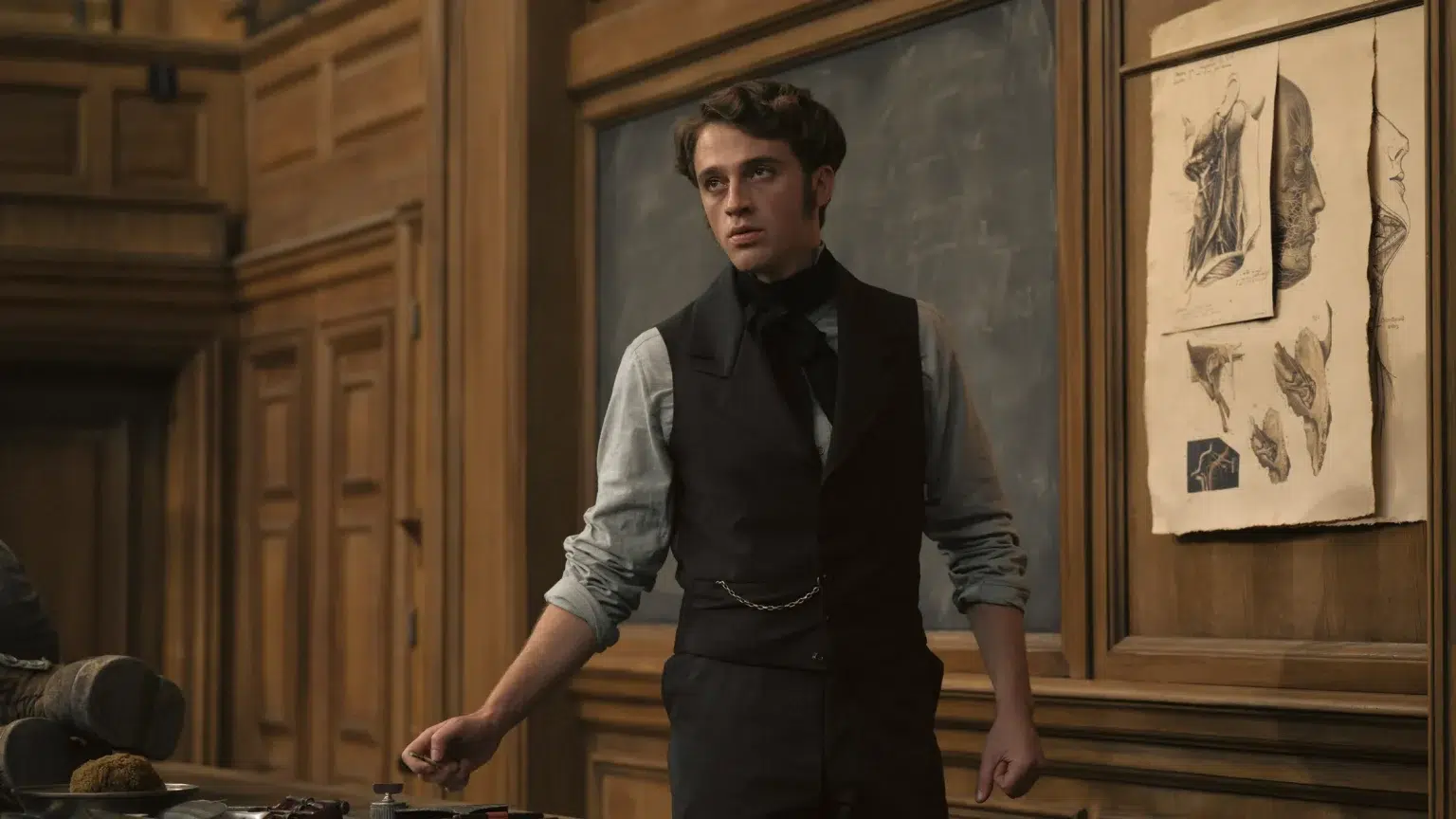
Set against the volatile backdrop of 1830 Paris, the narrative diverges significantly from the sanitized musical and animated interpretations common in contemporary pop culture. Instead, the story unfolds on the eve of the historic July Revolution—a pivotal political upheaval that overthrew the Bourbon Restoration and established the constitutional July Monarchy.
In this version, a massive cholera epidemic threatens to decimate the French capital. The central protagonist, a stone-carving hunchback dwelling among the city’s architectural landmarks, is rumored to possess an immunity to the contagion. Consequently, he becomes the primary target of state security forces and medical researchers seeking to capture him for clinical experiments to develop a vaccine. Driven by a desperate need to protect Agnès, a dancer he loves, the hunchback finds himself swept directly into the eye of the impending revolutionary uprising.
Director Jean-François Richet has emphasized that the film draws inspiration from historical research rather than purely fictional tropes. Specifically, the script incorporates theories proposed by British archivist Adrian Glew, who uncovered archival records suggesting Victor Hugo’s character may have been inspired by a real-life, humpbacked stone carver working at Notre-Dame during the author’s time in Paris. Richet noted in recent interviews that the film utilizes a credible historical premise to explore complex socioeconomic themes, including class struggle, the ethical boundaries of early medicine, state control, and the juxtaposition of physical beauty and societal alienation.
Production Team and Creative Vision
The production brings together a roster of prominent figures in French and international cinema. At the helm is acclaimed director Jean-François Richet, whose extensive filmography includes Hollywood action-thrillers such as Plane and Blood Father, as well as gritty French historical crime epics like the two-part Mesrine saga and The Emperor of Paris. Richet’s direction aims to infuse the period piece with the pacing and high-stakes tension of a modern chase thriller.
The screenplay was co-written by Éric Besnard, known for historical dramas such as Jean Valjean, alongside screenwriter Edgar Marie. Production duties are handled by Clément Miserez and Matthieu Warter under the banner of Radar Films. The project represents a significant financial investment by streaming executives, underscoring Netflix’s strategy to fund high-end European productions that appeal to both domestic audiences and the global market through high production values, authentic period set design, and recognizable cinematic talent.
Cast and Character Transformations
International cinematic veteran Vincent Cassel headlines the project, taking on the physically demanding title role of the hunchback. Cassel, widely recognized for his roles in Black Swan, Ocean’s Twelve, and the seminal French social drama La Haine, underwent an extensive physical transformation for the part, as revealed in initial promotional materials and exclusive first-look imagery released by Vanity Fair France.
The casting choices reflect a deliberate effort to blend seasoned prestige actors with dynamic contemporary performers to capture the stark, unglamorous reality of 1830s Paris. The supporting ensemble features notable French talent, grounding the historical drama in performances designed to emphasize the gritty socio-political climate of the era.

Chronology of Development
The journey of The Hunchback, Soul of Paris to the screen spans multiple phases of production, marketing shifts, and title refinements:
- June 2025: Industry reports confirm that Vincent Cassel is attached to headline a high-budget French adaptation of the Quasimodo story for Netflix, then operating under the working title Quasimodo, l’âme de Paris.
- Early 2026: Production wraps as details regarding the 1830s cholera epidemic plotline and the connection to the July Revolution emerge. The English-language working title is updated to Quasimodo, the Soul of Paris.
- September 2026: Vanity Fair France publishes an exclusive deep-dive featuring first-look images, confirming the official runtime of 1 hour and 43 minutes and the final localized English title, The Hunchback, Soul of Paris.
- November 27, 2026: Netflix officially schedules and releases the film globally, accompanied by the debut of the official trailer and key art.
Broader Industry Implications
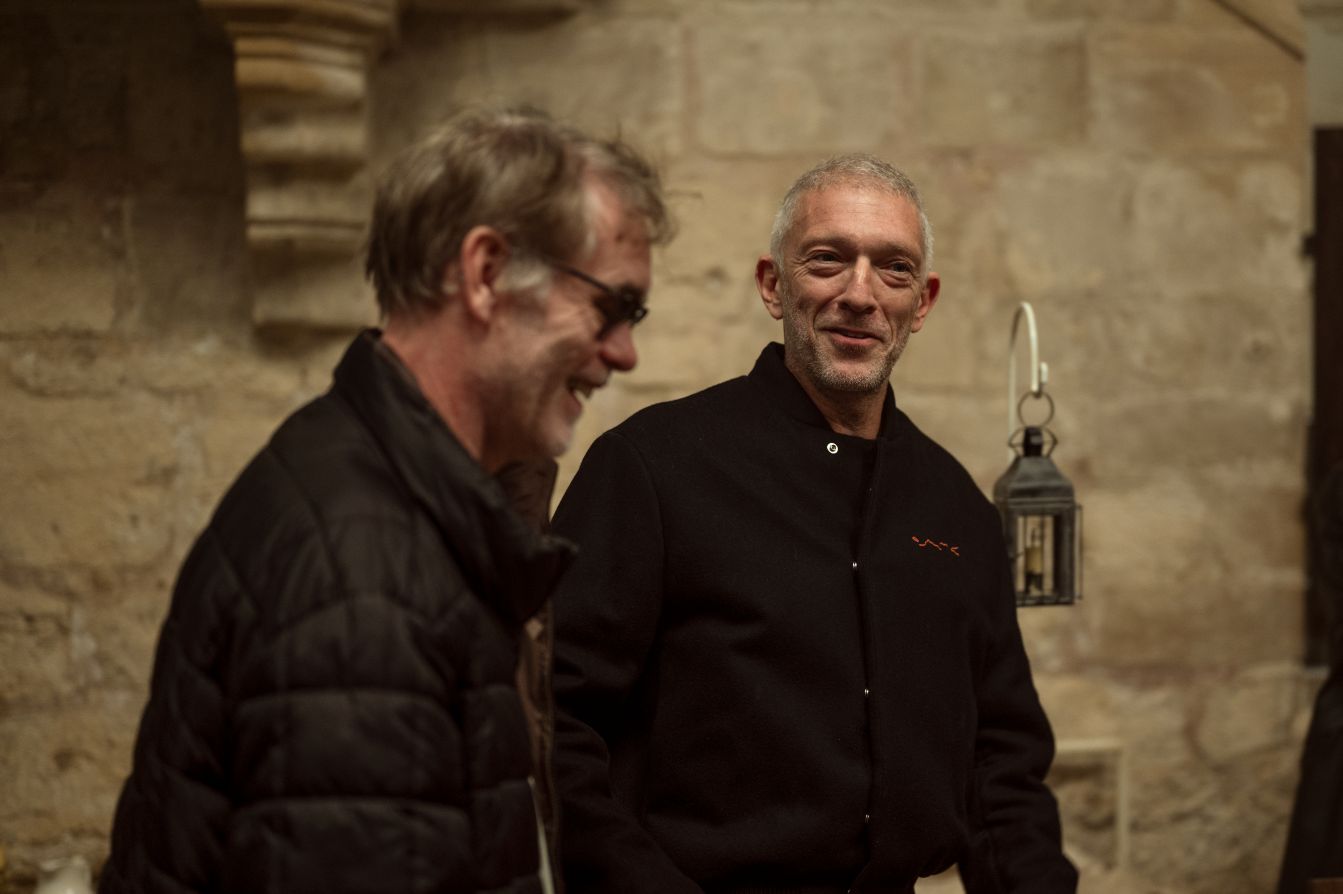
The release of The Hunchback, Soul of Paris highlights a broader industry trend wherein major streaming platforms increasingly finance high-end adaptations of national literary treasures, executed with high production values and localized authenticity. By bypassing traditional theatrical windows in favor of a simultaneous worldwide digital release, Netflix continues to leverage its global infrastructure to distribute European-produced historical dramas to over 190 countries.
Furthermore, the film’s integration of dark historical realities—such as the ethics of early 19th-century medical experimentation during epidemics and the socio-economic pressures leading up to the July Revolution—reflects a growing appetite among audiences for mature, revisionist takes on classic stories. As streaming services compete for international subscriber engagement, the commercial and critical reception of The Hunchback, Soul of Paris will likely serve as a significant benchmark for future high-budget European historical adaptations.


