The cinematic career of Sofia Coppola has long been defined by an unmistakable aesthetic, a distinct focus on the internal emotional landscapes of young women, and a pioneering approach to modern auteur cinema. In a recent extensive retrospective conversation addressing fans and critics alike, the Academy Award-winning filmmaker opened up about the foundational influences of her upbringing, the clandestine methods behind her most celebrated works, and the enduring cultural legacy of films that continue to resonate across generations. From her early days on experimental sets in the 1980s to the genre-defying soundtracks of her historical dramas, Coppola provided rare insight into the mechanics of her creative output.
Background Context and Family Influences
Operating within a cinematic dynasty often means navigating a long shadow cast by prominent male figures, yet Coppola has consistently emphasized the profound impact of the women who shaped her worldview. Addressing a question regarding maternal influence, Coppola noted that her mother provided essential lessons in authenticity, attentiveness, and artistic observation. Rather than focusing on grand narrative structures, her mother possessed a keen eye for subtle domestic details and eccentricities of daily life—elements that ultimately became signature motifs in Coppola’s filmography.

This sensitivity to environment and isolation is a recurring theme in her work, particularly in explorations of transient spaces like luxury hotels. When reflecting on the emotional weight of such locations—spaces entirely detached from a character’s past or future—Coppola pointed to tangible, real-world milestones as her anchors. She recalled a recent anniversary celebration for Marie Antoinette at the Palace of Versailles, during which the post-punk band New Order performed. For Coppola, the moment the lights illuminated the historic venue while the track Ceremony played stands out as a defining personal memory, emphasizing that both joyful and painful experiences are necessary components of personal growth and artistic identity.
Guerrilla Filmmaking and the Risks of Lost in Translation
The discussion also revisited the production of Coppola’s critically acclaimed 2003 feature Lost in Translation, a film that balanced meticulous emotional direction with an inherently volatile production strategy. Due to budget constraints and logistical hurdles, certain sequences were captured using guerrilla filmmaking techniques without official permits.
Coppola acknowledged that capturing Scarlett Johansson navigating crowded Tokyo subway systems and filming overhead views of the iconic Shibuya crossing from an opportunistic vantage point inside a local Starbucks carried significant legal and operational risks. Operating without municipal authorization could have resulted in severe consequences, including detention or deportation. However, Coppola defended these calculated risks as essential to capturing the authentic pulse of urban anonymity, noting that the spontaneous execution ultimately served the film’s thematic resonance.
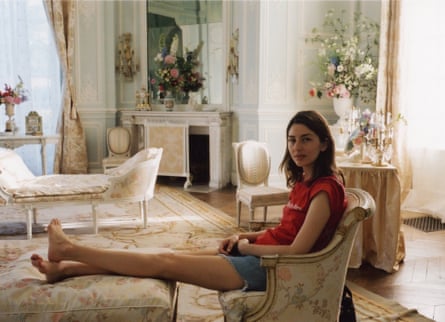
The enduring mystery of the film’s final scene—specifically the whispered exchange between characters Bob Harris (Bill Murray) and Charlotte (Scarlett Johansson)—remains protected by the director’s enduring boundary. Echoing the sentiments of her lead actor, Coppola reiterated that the whisper remains strictly between the characters, preserving the ambiguity that has fueled audience debate for over two decades.
Chronology and Evolution: From Experimental Shorts to Marie Antoinette
Coppola’s trajectory within the film industry spans several distinct eras, beginning long before her directorial debut. At age 12, she participated in the production of Tim Burton’s 1984 live-action short film Frankenweenie. Having spent her formative years navigating the highly structured studio environments of her father, Francis Ford Coppola, the young Sofia found the independent, eccentric energy of Burton’s early set deeply inspiring. She recalls Burton sketching character designs for her between takes—an early exposure to the collaborative magic of independent cinema that cemented her lifelong appreciation for the medium.
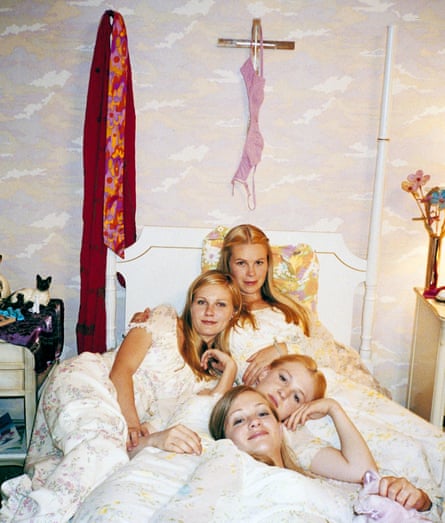
Years later, Coppola would challenge traditional period-piece conventions with Marie Antoinette (2006). By deliberately juxtaposing 18th-century royal opulence with a postmodern soundtrack featuring post-punk and New Romantic acts such as Bow Wow Wow and Adam Ant, Coppola sought to emphasize the youth and contemporary emotional turmoil of the historical figures. At the time of its release, the audacious musical choices drew criticism from traditionalists unaccustomed to anachronistic scoring in historical drama. Yet, time has vindicated the artistic choice, transforming the film into a touchstone of modern cinematic style.
Behind-the-Scenes Realities and Archival Discoveries
The production of Marie Antoinette also yielded unexpected historical documentation. Throughout the stressful, months-long shoot in France, Coppola’s mother captured extensive behind-the-scenes footage, recording approximately 80 hours of video detailing the intricate construction of period costumes, elaborate culinary displays, and the daily pressures of the set.
Initially treated as casual home-video documentation, the vast archive was largely set aside until recently. The rediscovery of these tapes offers a rare, unfiltered look at the logistical realities of mounting a major historical production, blending the granular precision of filmmaking with personal familial support.
Broader Impact and Cultural Resonance
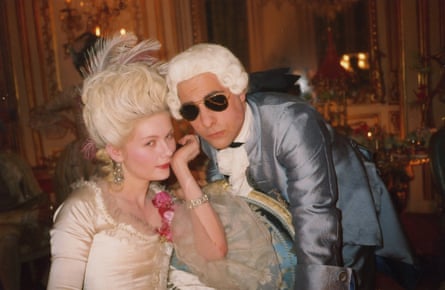
In the years following her initial releases, Coppola’s artistic footprint has evolved beyond traditional cinematic critique to occupy a prominent space in contemporary digital culture. Acknowledged by younger demographics as a foundational icon within aesthetic internet subcultures—frequently referenced across digital blogging and curation platforms—Coppola expressed pleasant surprise regarding her enduring connection to younger generations.
Similarly, her commercial and music video work, such as the 2003 music video for the White Stripes’ cover of I Just Don’t Know What to Do With Myself featuring Kate Moss, continues to be critically reevaluated for its visual boldness. Reflecting on the spontaneous genesis of the iconic pole-dancing sequence, Coppola noted that the concept arose organically and received immediate backing from both the artist and the musician.
As Coppola continues to produce and direct new projects, her body of work serves as a testament to the power of subjective observation, atmospheric restraint, and unwavering authorial vision. By maintaining a steadfast refusal to pander to commercial convention, she has secured a permanent, influential niche in the annals of contemporary cinema.