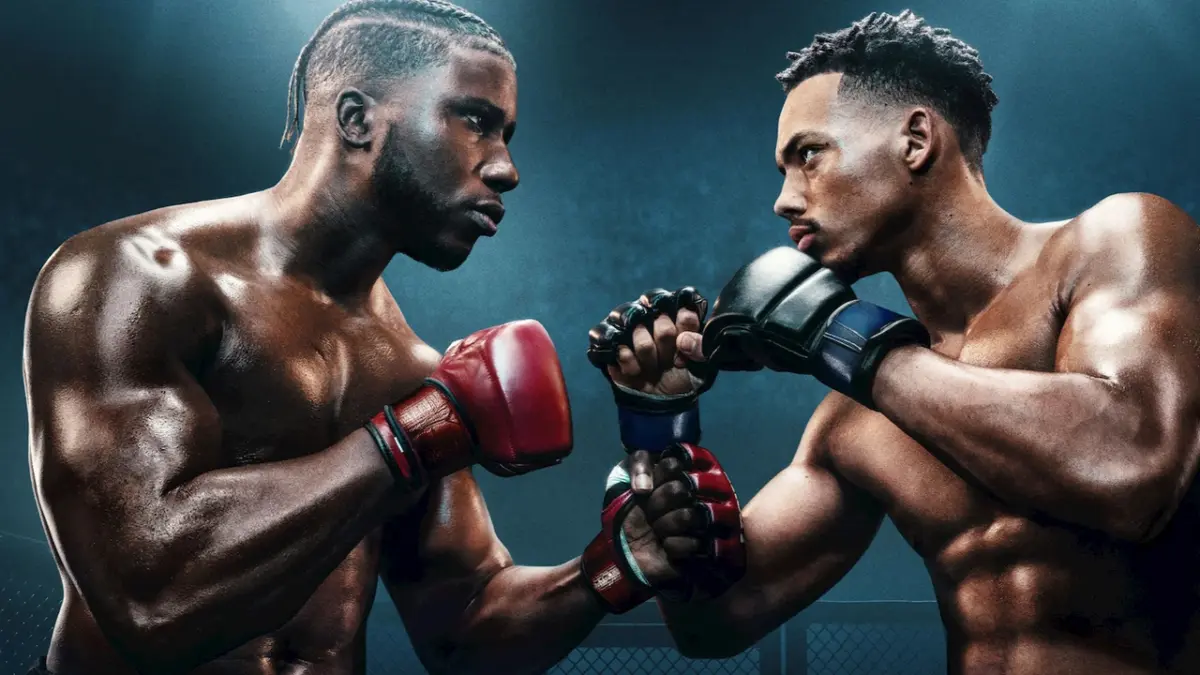
Netflix’s robust investment in mixed martial arts content is culminating this December with the highly anticipated sophomore season of its hit French drama series, The Cage. Following
a year heavily populated by combat sports programming—most notably the streamer’s MMA competition series L’Arène—the scripted drama created by actor, producer, and director Franck Gastambide is returning to the platform with a global release date locked for December 16. However, despite the excitement surrounding the upcoming premiere, the production has largely operated under a veil of secrecy, pointing toward a significant shift in narrative focus and character dynamics that industry insiders are already categorizing as a "soft reboot."
When The Cage originally premiered in November 2024, it introduced audiences to a compact five-episode arc centered on the grueling ascent of rookie fighter Taylor "The Outsider" Keita, portrayed by Melvin Boomer. The series resonated with international subscribers, successfully capturing the gritty underworld, high stakes, and physical toll of professional mixed martial arts. Capitalizing on this momentum, Netflix officially greenlit a second season just weeks after the initial broadcast. Now, following a teaser poster that hinted at an imminent return, the streaming giant has confirmed that the upcoming episodes will introduce an entirely fresh storyline and a brand-new champion to lead the franchise into its next chapter.
Narrative Shift and Character Evolution in Season 2
The decision to pivot away from the original protagonist signals a bold narrative direction for the franchise. Season 2 shifts its primary focus to a new rising star named Curtis, whose face prominently features on the promotional material for the upcoming release. While Netflix initially kept the casting details closely guarded, local media reports from the Marseille-based newspaper La Provence revealed that the role of Curtis is played by local actor Amine Guedja.
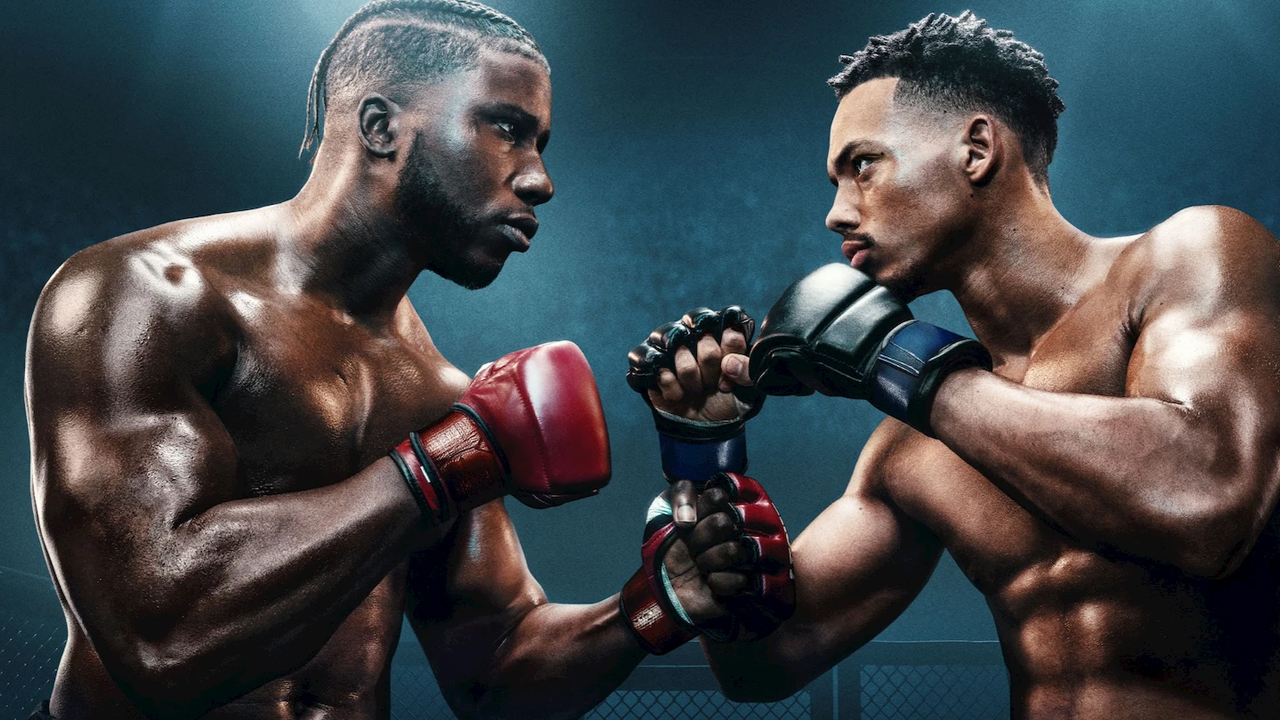
The plot for the upcoming season follows Curtis as he fights his way through the ranks, drawing agonizingly close to achieving his ultimate dream of competing in the UFC. Along the way, the narrative delves into the darker side of sudden athletic success, exploring themes of fierce competition, intense jealousy, and profound betrayal from those closest to him. While Netflix has withheld a comprehensive official logline, the premise suggests a thematic continuation of the first season’s exploration of ambition, loyalty, and the relentless sacrifices required to reach the pinnacle of combat sports.
Behind the Scenes: Production, Directing, and International Shoots
Behind the camera, the creative backbone of the series remains largely intact. Franck Gastambide returns not only as a driving creative force, credited as "Boss," but also as a director for several episodes. He is joined once again by co-director David Krespine, whose shared directorial duties established the visual style and visceral fight choreography of the first season. Production is once again spearheaded by Mandarin Télévision alongside Gastambide’s own production banner, Autodidakt—a company also managing other upcoming high-profile projects, such as the 2027 series School Life.
The production of Season 2 has been notably stealthy. Unlike many high-profile Netflix original series that undergo extensive, publicized promotional rollouts months in advance, The Cage was omitted from the streamer’s official October upfront presentations. Filming took place largely under the radar across a split schedule between Marseille and the greater Paris area. Gastambide confirmed the Marseille leg of the shoot during a late-summer interview with La Provence, while social media activity captured production crews filming inside live arenas alongside prominent French rapper Bosh in November 2025.
Significantly, the production expanded its geographical footprint beyond French borders. Toward the end of 2025, the crew traveled to Southeast Asia to capture crucial sequences on location in Thailand. Gastambide shared behind-the-scenes glimpses of the international shoot on social media, tagging locations in Chiang Mai, which indicates that the scope of Curtis’s journey extends far beyond domestic training camps and local regional circuits.
Strategic Context: Netflix’s Expanding French MMA Portfolio
The return of The Cage arrives at a strategic juncture for Netflix’s international content strategy, particularly concerning its investment in French-language productions and combat sports entertainment. In recent years, the platform has actively sought to capitalize on the soaring popularity of mixed martial arts in France, a country that officially legalized professional MMA events in 2020. Since then, the sport has experienced an explosive rise in mainstream visibility, driven by French fighters succeeding on global stages like the UFC and the heavy promotion of domestic organizations.

Netflix’s acquisition strategy reflects this broader cultural shift. Beyond producing original scripted and unscripted MMA content, the streamer has consistently demonstrated its confidence in Gastambide’s creative vision. In the fall of 2025, Netflix acquired the second-run streaming rights to Gastambide’s earlier acclaimed Canal+ series, All The Way Up (Validé), further cementing a long-term creative partnership between the platform and the French filmmaker.
By anchoring its late-year release calendar with the return of The Cage, Netflix is signaling that sports-adjacent dramas hold substantial retention value for international subscribers. The transition to a new protagonist and an expanded international setting allows the franchise to refresh its creative well without alienating fans of the original gritty aesthetic.
Industry Implications and Expectations Ahead of the December Premiere
As the December 16 global release date approaches, industry analysts are closely watching to see how audiences respond to the soft reboot format. Transitioning away from a breakout character like Taylor Keita carries inherent risks for a serialized drama, as viewers often form strong attachments to inaugural leads. However, the introduction of Amine Guedja as Curtis, combined with higher production values stemming from international shoots in Thailand and high-energy arena sequences, suggests that the creative team is doubling down on cinematic scale and authentic athletic depiction.
With no additional writer details or comprehensive episodic summaries officially published at this time, anticipation among fans remains high. The low-key rollout strategy employed by Netflix has only served to heighten curiosity surrounding the narrative direction of the new episodes. Whether Curtis’s journey to the UFC will mirror the triumphs and tribulations of its predecessor—or carve out an entirely new, unpredictable path for French television—will be answered when the octagon opens its doors once more this December.