Cannes, France – The 23rd edition of the Palm Dog Awards, the cherished unofficial ceremony celebrating outstanding canine performances at the Cannes Film Festival, concluded this year with a remarkable thematic convergence: two films, both helmed by women directors, featuring two exceptional female dogs, each earning top honors. This synchronicity underscored not only the increasing visibility of female talent in global cinema but also the profound impact and evolving portrayal of animal characters on screen. The event, a highlight for many attendees, saw a jubilant crowd at the Cannes Members Club beach, reveling in a double bill of canine triumph that resonated deeply with the festival’s broader narratives of discovery and artistic merit.
The Enduring Legacy of the Palm Dog Awards
Founded in 2001 by British journalist Toby Rose, the Palm Dog has transcended its initial status as a quirky side event to become a genuine and much-anticipated fixture of the Cannes Film Festival. What began as a lighthearted counterpoint to the more formal Palme d’Or has evolved into a significant platform, recognizing the often-unsung contributions of animal actors to cinematic storytelling. The award, an embossed leather collar, symbolizes the unique bond between humans and their canine companions, a relationship frequently explored in film. Its consistent presence over more than two decades, attracting notable directors and stars, speaks to its enduring charm and its ability to connect with audiences on an emotional level. Previous winners, such as Uggie from The Artist (2011) and Brandy from Quentin Tarantino’s Once Upon a Time in Hollywood (2019), have demonstrated the capacity of these four-legged performers to steal scenes and, in some cases, entire films, earning critical acclaim and audience adoration. The Palm Dog not only celebrates individual performances but also subtly champions animal welfare, particularly through the recognition of rescue dogs, providing a unique dimension to the festival’s discourse.
A Landmark Year for Female Representation
This year’s double victory, honoring female dogs from films directed by women, presented a powerful, albeit serendipitous, statement regarding representation in the film industry. While the Cannes Film Festival itself has faced ongoing scrutiny regarding the representation of women directors in its main competition, the Palm Dog’s spotlight on films like Dominga Sotomayor’s La Perra and Clio Barnard’s I See Buildings Fall Like Lightning highlighted a vibrant creative landscape where female voices are crafting compelling narratives, often with non-traditional protagonists. Both films premiered in the Directors’ Fortnight (Quinzaine des Cinéastes), a parallel section of the festival known for its independent spirit and commitment to showcasing emerging and innovative filmmakers. This alignment underscored the progress being made in fostering diverse storytelling, demonstrating that impactful cinema transcends gender and genre, even extending to the nuanced performances of animals.
Yuri: A Journey of Identity and Freedom in La Perra
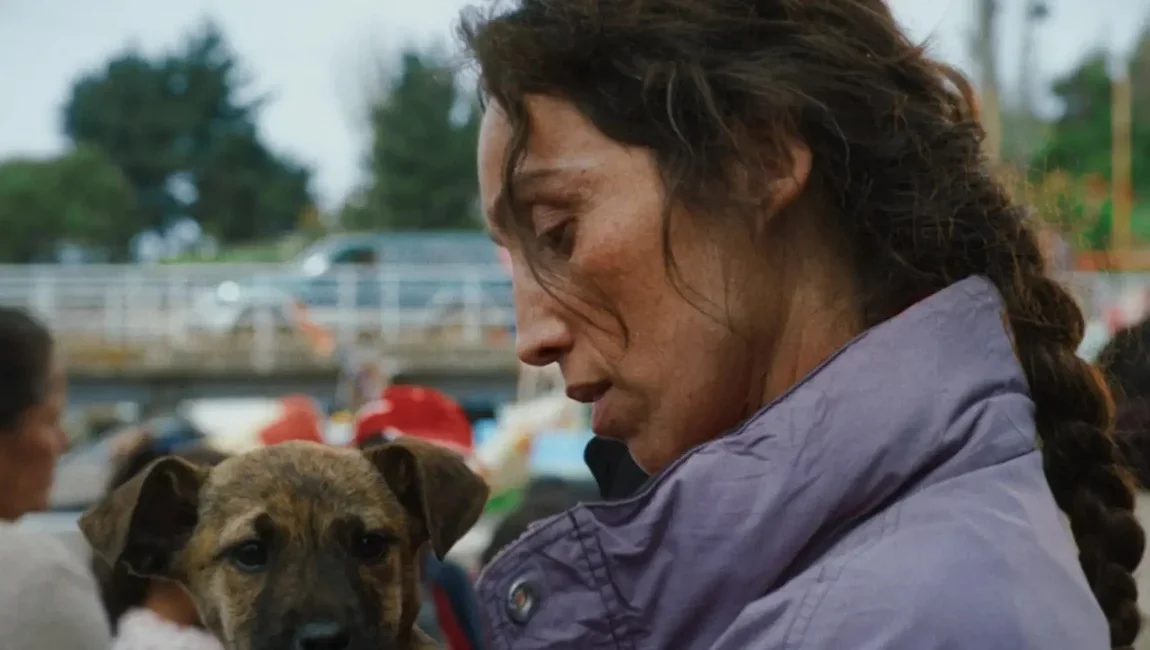
The coveted main Palm Dog award was bestowed upon Yuri, the charismatic stray at the core of Chilean director Dominga Sotomayor’s La Perra. Premiering to critical acclaim in the Directors’ Fortnight, La Perra (meaning "The Bitch" or "The Dog") is an adaptation of Pilar Quintana’s acclaimed novel. The narrative intricately weaves the story of Silvia, a woman grappling with profound loneliness and childhood traumas on a windswept island off Chile’s southern coast. Her solitary existence is irrevocably altered by the arrival of Yuri, a roguish stray whom Silvia names after a Mexican pop star whose 1980s hits echo from a rickety television set, a poignant detail that roots the film in a specific cultural and temporal context.
Sotomayor, accepting the embossed leather collar in person, articulated her vision for Yuri’s character, emphasizing a desire to create a canine role that possessed genuine depth and agency. "I had wanted to create a dog role that was a deep character, looking for identity and freedom," she stated, highlighting her deliberate departure from conventional portrayals of dogs as mere companions or plot devices. Yuri, with her restless energy, willful nature, and magnificent individuality, serves as a catalyst for Silvia’s journey of self-discovery, forcing her to confront long-buried emotional scars. The director further elaborated on her attraction to Quintana’s source material, specifically its refusal to romanticize the dog-owner relationship. Instead, Sotomayor was captivated by what she termed "the fascinating tension between domestication and an animal’s uncontrollable nature." This thematic exploration elevates La Perra beyond a simple tale of companionship, delving into the complexities of attachment, freedom, and the wildness that resides within both humans and animals. The film’s critical reception has often lauded Yuri’s performance as pivotal, noting how the dog’s untamed spirit mirrors Silvia’s own internal struggles and eventual liberation.
Lola: A Rags-to-Riches Story in I See Buildings Fall Like Lightning
The Jury Prize, a distinguished honor within the Palm Dog accolades, was awarded to Lola, the female canine scene-stealer from Clio Barnard’s British drama, I See Buildings Fall Like Lightning. This film, also a standout in the Directors’ Fortnight, had already garnered significant attention by winning the sidebar’s People’s Choice Award, signaling its profound resonance with audiences. Barnard’s film is a poignant kitchen-sink drama that delves into the lives of five working-class friends – Patrick, Shiv, Rian, Oli, and Conor – who grew up together in a Birmingham tower block. Now in their thirties, they find themselves on increasingly divergent and constrained paths, grappling with the realities of modern life and fading dreams.
Within this landscape of human struggle, Lola emerges as a beacon of hope and transformation. She belongs to Oli, a slacker and small-time drug dealer portrayed by Jay Lycurgo, whose life takes an unexpected turn after adopting the dog. Reviewers have consistently highlighted their relationship as one of the most heartwarming and impactful in any film screened at this year’s festival. Lola’s presence inspires Oli to re-evaluate his choices and embark on a path of self-improvement, illustrating the profound and often understated power of the human-animal bond.
Clio Barnard attended the Palm Dog ceremony accompanied not by Lola herself, but by Soprano, a female stand-in who proved to be a remarkably convincing lookalike. This practice of securing a local substitute is a cherished Palm Dog tradition, with Toby Rose making it his personal mission to track down suitable doubles when the actual canine winners are unable to make the journey to Cannes. Soprano, embodying the spirit of her absent counterpart, accepted the collar with considerable enthusiasm and an equally considerable amount of joyful wriggling, much to the delight of the audience.
However, it was Barnard’s recounting of Lola’s own backstory that provided the afternoon’s emotional crescendo. Before the collar was fastened, the director shared that Lola had once lived rough on the streets, enduring a precarious existence before being rescued by an animal shelter. It was there, amidst countless other hopeful animals, that she was discovered and ultimately cast in the film. Barnard eloquently described Lola’s remarkable journey to the Cannes canine awards as a "true rags to riches story," a narrative that captivated the attendees and underscored the film’s deeper message about second chances and the transformative power of love and care. This revelation not only added an extra layer of poignancy to Lola’s win but also served as a powerful testament to the potential of rescue animals and the vital work of animal welfare organizations.
The Ceremony: A Blend of Levity and Poignancy
The Palm Dog ceremony itself, held on the sun-drenched beach of the Cannes Members Club, maintains a unique atmosphere that perfectly balances the festival’s inherent glamour with a refreshing dose of irreverence. The event, orchestrated by Toby Rose, is known for its blend of genuine appreciation for animal talent and lighthearted humor. This year, the emotional impact of Lola’s backstory, combined with the thematic significance of the female-led wins, created a particularly moving occasion. The crowd, known for its discerning taste, responded with enthusiastic applause and, as the original report noted, "reached for their metaphorical hankies."
The ceremony traditionally concludes with a musical flourish, and this year was no exception. Toby Rose himself took to the stage, belting out the iconic opening lines to Barry Manilow’s classic "Copacabana": "Her name was Lola, she was a showgirl…" a playful tribute that encapsulated the festive and affectionate spirit of the Palm Dog Awards. This moment, combining a cultural touchstone with the celebration of a four-legged star, perfectly illustrates the unique charm and enduring appeal of the event.
Broader Implications and the Future of Animal Characters in Film
The 23rd Palm Dog Awards signal more than just a celebration of charming canine performances; they highlight several significant trends within the cinematic landscape. Firstly, the recognition of female directors in a year where their contributions are increasingly vital reinforces the industry’s gradual shift towards greater inclusivity. While the Palm Dog is an "unofficial" award, its platform at Cannes offers valuable visibility to films and filmmakers that might otherwise be overlooked in the larger festival narrative.
Secondly, the awards underscore the evolving role of animal characters in film. No longer confined to mere background elements or comedic relief, dogs like Yuri and Lola are being crafted as complex, integral characters whose emotional journeys and interactions drive the narrative and reflect profound human experiences. Sotomayor’s intention to create a "deep character" in Yuri, and Barnard’s depiction of Lola as a catalyst for transformation, exemplify this sophisticated approach to animal portrayal. This development enriches storytelling, allowing filmmakers to explore themes of identity, belonging, trauma, and redemption through a unique lens.
Finally, Lola’s "rags to riches" story brings a crucial message of animal welfare to the forefront of a global cultural event. By highlighting a rescue dog’s journey from the streets to the silver screen and subsequently to international acclaim, the Palm Dog champions the cause of animal adoption and demonstrates the incredible potential that lies within shelter animals. This serves as a powerful reminder that compassion and opportunity can transform lives, both human and animal.
As the Cannes Film Festival continues to evolve, the Palm Dog Awards stand as a testament to the diverse forms of artistry it embraces. This year’s double triumph for female directors and their compelling canine stars not only provided heartwarming moments but also subtly reinforced the festival’s commitment to innovative storytelling and the recognition of talent, irrespective of species or gender, ensuring that the barks and wags of cinematic achievement resonate long after the final credits roll.