The cinematic landscape often honors artistry with polished gold, silver, or bronze statuettes, but a new initiative emerging from the Baltic region has redefined the material substance of prestige. In a striking convergence of geopolitical urgency and cultural advocacy, the Tallinn Black Nights Film Festival (PÖFF) in Estonia and Ukraine’s Odesa International Film Festival have inaugurated the Free World Award. This distinction, introduced during the 30th edition of the PÖFF in Tallinn, is designed to recognize cinema that champions the core tenets of human dignity, fundamental rights, and the preservation of freedom in an increasingly fractured global climate.
What distinguishes this award from its peers is not merely its mission statement but its physical composition. The trophy is literally forged from the remnants of weapons, missiles, and ammunition recovered from the front lines of the ongoing war in Ukraine. By transforming the instruments of destruction into a symbol of artistic merit, the organizers have created a tangible link between the struggle for national sovereignty and the universal language of film.
The Genesis of a Symbolic Honor
The announcement of the Free World Award took place on Thursday at the Industry@Tallinn & Baltic Event (ITBE), the professional market arm of PÖFF. The timing coincides with the festival’s milestone 30th year, an edition that has heavily emphasized regional resilience and the role of the Baltic states as a cultural gateway between Eastern and Western Europe.
Andrii Osipov, the head of the Ukrainian State Film Agency, framed the award as an extension of his nation’s endurance. "This award was established by representatives of a nation that today stands on the front lines of Russia’s war against Ukraine," Osipov stated during the unveiling. "We hope to spread the strength and resilience of the Ukrainian people across the world. The award carries profound symbolic significance, as it is made from metal melted down from the remnants of weapons, missiles, and ammunition. For us, it symbolizes the unity of our efforts and intentions to uphold the principles of peace and justice, counter armed aggression, and protect human rights."
For the festival organizers in Tallinn, the partnership represents a logical evolution of a long-standing commitment. Since the full-scale Russian invasion of Ukraine in February 2022, PÖFF has positioned itself as one of the most vocal supporters of Ukrainian filmmakers in the international festival circuit. This new award serves as a formalization of that support, moving beyond screening slots into the realm of permanent, tangible advocacy.
Inaugural Recipient: A Focus on Conflict and Agency
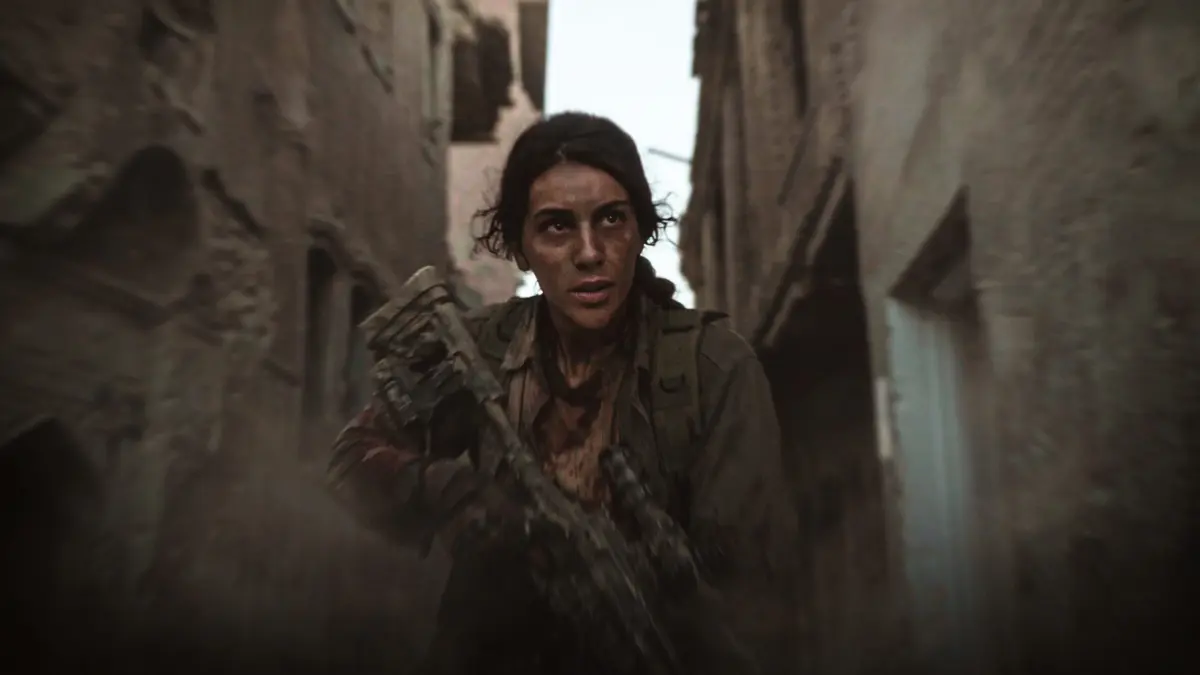
The first recipient of the Free World Award is No Paradise If You Are Killed by a Woman, directed by Halkawt Mustafa. The film, which serves as Iraq’s international entry for the Academy Awards, is a sprawling co-production involving Norway, Iraq, the United Arab Emirates, and Sweden.
The narrative focuses on a female sniper who returns to the theater of war, driven by the singular, desperate mission of rescuing her younger sister from ISIS captivity. The film, which previously garnered a special jury mention at the Venice Film Festival, has been lauded for its visceral portrayal of survival and the complexities of female agency within conflict zones. By selecting this film for the inaugural honor, the jury underscored the award’s criteria: identifying stories that do not merely depict violence but explore the human cost of aggression and the necessity of justice.
Mustafa is scheduled to receive the award during a ceremony this Friday, marking a significant moment for both the filmmaker and the festival. The choice of No Paradise serves as a bridge, linking the current reality of the Ukrainian conflict with the broader, global struggle against tyranny and extremism.

A Formalized Partnership for the Future
The introduction of the Free World Award is a central pillar of a new three-year memorandum of understanding signed between the Ukrainian State Film Agency and PÖFF. This legal and professional framework is designed to ensure that the collaboration is not a one-off gesture but a sustained effort to integrate Ukrainian cinema into the global market.
The memorandum outlines several key objectives:
- International Visibility: Increasing the presence of Ukrainian filmmakers at major European markets and festivals.
- Professional Exchange: Creating channels for dialogue between Ukrainian, Estonian, and international industry professionals, including mentorship and co-production workshops.
- Talent Development: Prioritizing emerging Ukrainian voices in PÖFF’s industry programs, ensuring that the next generation of filmmakers has the resources to continue producing work despite the limitations imposed by the ongoing war.
- Artistic Freedom: Establishing a permanent platform for films that address democratic values and human rights, effectively insulating these works from political pressure.
This agreement builds upon the festival’s "Standing With Ukraine" program, which has been a staple of PÖFF since 2024. That program was created to give displaced filmmakers a platform to share their narratives with international audiences and potential financiers, acting as a crucial lifeline for an industry that has seen its domestic infrastructure severely damaged.
The Broader Context: Cinema as a Diplomatic Tool
The implications of this initiative extend beyond the film industry. In the current geopolitical climate, "cultural diplomacy" has become an essential tool for nations facing existential threats. By aligning with a major A-list festival like PÖFF, Ukraine is ensuring that its narrative remains at the forefront of European cultural consciousness.
Data from the European Audiovisual Observatory suggests that the impact of the war on Ukrainian cinema has been multifaceted. While domestic production levels were severely hampered by the loss of studio space and the displacement of crews, international co-productions involving Ukrainian entities have actually seen a rise in interest. The Free World Award effectively incentivizes this international cooperation, making it easier for foreign producers to view Ukraine as a partner in high-quality, thematically significant storytelling.
Furthermore, the act of using weapons-grade metal for the trophy is a powerful, if provocative, piece of performance art in its own right. It forces industry professionals, financiers, and critics to confront the physical reality of the conflict every time the award is presented. It challenges the "ivory tower" perception of the film festival circuit, grounding the glamour of the red carpet in the harsh realities of the battlefield.
The Role of Tallinn as a Baltic Hub
The choice of Tallinn as the base for this initiative is strategically significant. Estonia, along with its Baltic neighbors Latvia and Lithuania, has been among the most vocal proponents of increased European support for Ukraine. The PÖFF, which has grown significantly in reputation and size over its 30-year history, has successfully transitioned from a regional showcase to a pivotal stop on the international festival circuit, particularly for Central and Eastern European cinema.
As the 30th edition of PÖFF concludes this weekend, the festival has solidified its role as a leader in cultural advocacy. The "Industry@Tallinn & Baltic Event" has become the nexus for this work, hosting dozens of discussions on the future of film in a digitized and war-torn world. The memorandum signed this week signals that, even as the festival looks back on three decades of growth, it is increasingly focused on how cinema can act as a shield for democratic values in the decades to come.
Ultimately, the Free World Award serves as a testament to the endurance of the human spirit through the lens of the camera. By anchoring a prestigious honor in the physical debris of war, the Estonian and Ukrainian festival organizers have ensured that, for as long as this award is presented, the necessity of freedom remains a central topic of conversation within the global film community. The partnership is a template for how cultural institutions can respond to crises, not by retreating into escapism, but by confronting reality with the tools of their trade.