In a notable streaming distribution milestone, Netflix has secured the rights to stream the critically acclaimed drama series Sorry For Your Loss, marking the platform’s first-ever acquisition of an original series produced for the defunct Facebook Watch platform. Beginning December 19, 2026, subscribers in the United States will be able to access the entirety of the two-season series, bringing a previously under-distributed prestige drama to a massive global audience.
The licensing agreement represents a fascinating full-circle moment in the modern streaming landscape. Released during an era when social media conglomerates vied aggressively against established subscription video-on-demand services, Sorry For Your Loss was designed as a flagship scripted property for Meta’s short-lived video initiative. Years after Facebook Watch abandoned its scripted ambitions and eventually wound down operations, the series is finding a second life on the world’s largest streaming service.
Main Facts of the Acquisition
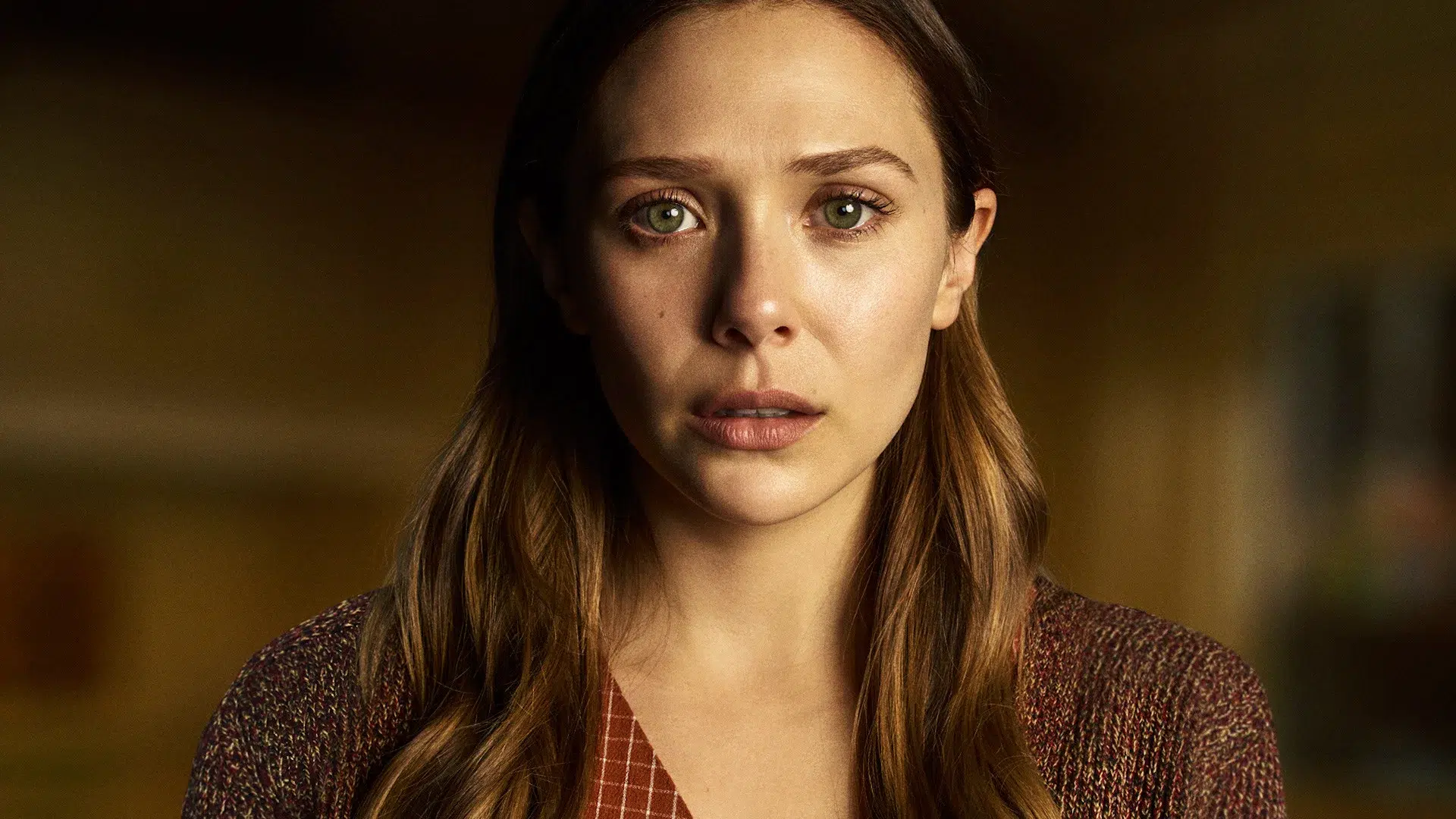
The acquisition brings 20 episodes of the half-hour drama to Netflix’s U.S. catalog. Created by playwright and screenwriter Kit Steinkellner, the series originally debuted in September 2018. It stars Emmy-nominated actress Elizabeth Olsen as Leigh Shaw, a young woman navigating the debilitating aftermath of her husband’s sudden death.
While the series garnered widespread critical acclaim—boasting a 97 percent approval rating across its run on Rotten Tomatoes—its initial reach was severely bottlenecked by the platform on which it debuted. Facebook Watch struggled to cultivate a consistent, engaged audience for premium serialized storytelling, leading to the cancellation of the series in January 2020 as Meta shifted its strategic focus entirely toward unscripted and social video formats. Subsequent minor licensing deals with platforms like Tubi and Amazon Prime Video provided limited visibility, but the upcoming Netflix release is expected to serve as the definitive rediscovery point for the series.
Chronology of the Platform and the Series
Understanding the significance of this licensing deal requires examining the timeline of Facebook Watch and the lifecycle of the production:
- August 2017: Meta launches Facebook Watch, positioning the video tab as a direct competitor to YouTube, Hulu, and traditional television networks, backed by substantial investments in original scripted and unscripted programming.
- September 18, 2018: Sorry For Your Loss premieres on Facebook Watch, rolling out weekly half-hour episodes that challenge conventional streaming formats by prioritizing intimate, unflinching character studies.
- November 2019: The second and final season concludes its run on the platform, having earned a perfect 100 percent critical score for its sophomore outing.
- January 2020: Amid a broader corporate pivot away from expensive scripted series, Meta cancels Sorry For Your Loss alongside several other high-profile narrative projects, effectively ending its major investments in traditional television-style production.
- August 2023: Meta officially sunsets the Facebook Watch brand name, transitioning video content into a unified hub simply known as Facebook Video.
- December 19, 2026: Netflix officially debuts both seasons of the drama in the United States, granting the series mainstream visibility nearly a decade after its initial production.
Cast, Creative Team, and Thematic Resonance
Sorry For Your Loss distinguishes itself through its grounded, non-linear examination of grief, memory, and familial trauma. Created by Kit Steinkellner and executive produced by Elizabeth Olsen alongside director James Ponsoldt, the series rejects melodramatic tropes in favor of a nuanced portrayal of loss.
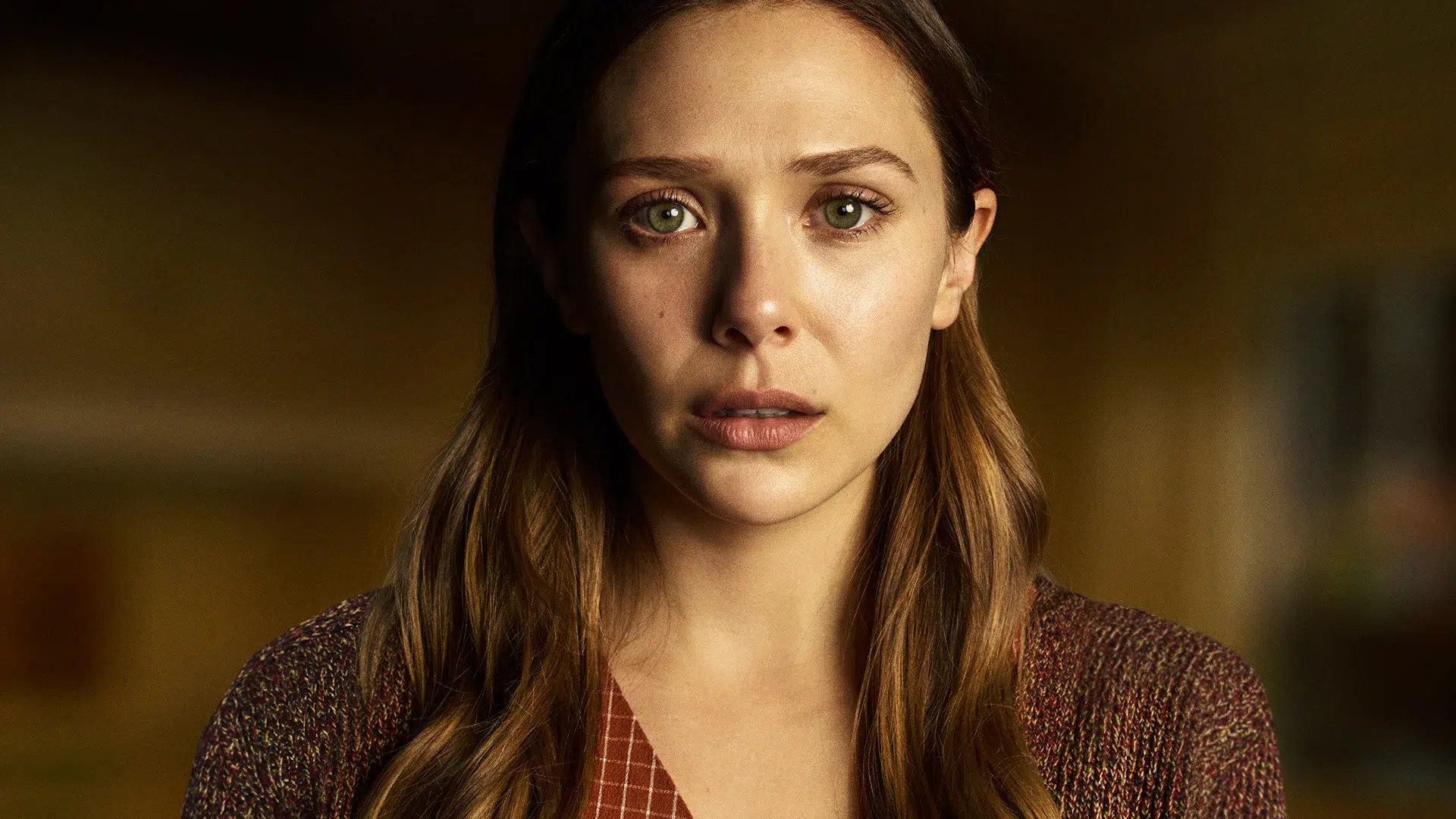
The narrative shifts fluidly between the bleak present day—where Leigh Shaw attempts to rebuild her life while living with her mother and sister—and flashbacks detailing her complex relationship with her late husband, Matt. The ensemble cast features standout performances by Kelly Marie Tran as Leigh’s sister Jules, Mamoudou Athie as Matt, Jovan Adepo as Matt’s brother Danny, and veteran actress Janet McTeer as matriarch Amy.
For followers of Elizabeth Olsen’s career, the arrival of the series on Netflix aligns temporally with her broader association with nuanced, character-driven dramas. The acquisition mirrors the thematic weight of her recent work, such as the critically praised Netflix independent drama His Three Daughters, in which she portrays an estranged sibling coming to terms with familial mortality. Furthermore, television analysts have frequently compared the emotional texture of Sorry For Your Loss to dark comedy-dramas like Dead to Me, another Netflix staple that explores female grief and resilience in the wake of sudden spousal loss.
Supporting Data and Industry Context
The journey of Sorry For Your Loss highlights a broader trend in the contemporary entertainment industry: the cross-licensing of intellectual property across rival platforms. In recent years, streaming services that once guarded their exclusive libraries jealously have increasingly opened their catalogs to third-party distributors to maximize monetization and audience reach. Notable precedents include legacy distributors licensing premium content to platforms like YouTube Premium, as well as niche creator platforms expanding their distribution footprints.
For Facebook Watch, the original strategy was built on the premise that exclusive, high-end scripted content would drive user retention and daily active usage on the social network. However, industry data consistently demonstrated that social media feeds were poorly optimized for long-form, serialized dramatic viewing. When Meta abandoned the experiment, dozens of critically lauded series were left stranded in digital limbo.
The valuation of these orphaned assets has shifted dramatically. While platforms initially wrote off or buried underperforming originals, the rise of ad-supported tiers and algorithmic discovery engines on major platforms like Netflix has proven that older, overlooked content can find a lucrative second wind. Shows that debuted on niche or defunct platforms frequently outperform newly produced content in terms of total viewing hours once exposed to a mainstream subscriber base.
Broader Impact and Industry Implications
The licensing of Sorry For Your Loss to Netflix carries several implications for the future of digital distribution and the preservation of streaming history:
- Combating Digital Obsolescence: As corporate strategies shift and corporate tech giants launch and abandon entertainment verticals, thousands of hours of television risk disappearing behind paywalls or evaporating entirely. Deals of this nature demonstrate that secondary platforms can serve as a crucial archive for prestige television that missed its initial window due to platform limitations.
- Valuation of Niche Intellectual Property: Even without massive mainstream marketing campaigns upon their original debuts, critically acclaimed series retain long-tail value. High Rotten Tomatoes scores and passionate fanbases provide measurable indicators of potential engagement when introduced to a more efficient discovery engine.
- Potential for International Expansion: While the initial announcement confirms the release strictly for United States subscribers as of December 2026, successful performance metrics could pave the way for international licensing agreements, bringing the series to global territories where it was never officially distributed.
As the streaming ecosystem continues to consolidate around a handful of dominant profitability-focused players, the integration of legacy tech-firm experiments into traditional streaming catalogues underscores a pragmatic new reality. For Elizabeth Olsen, the creators, and the dedicated audience that championed the series upon its debut, the upcoming December release ensures that one of the late 2010s’ most overlooked explorations of human resilience will finally receive the expansive platform it was originally built to find.