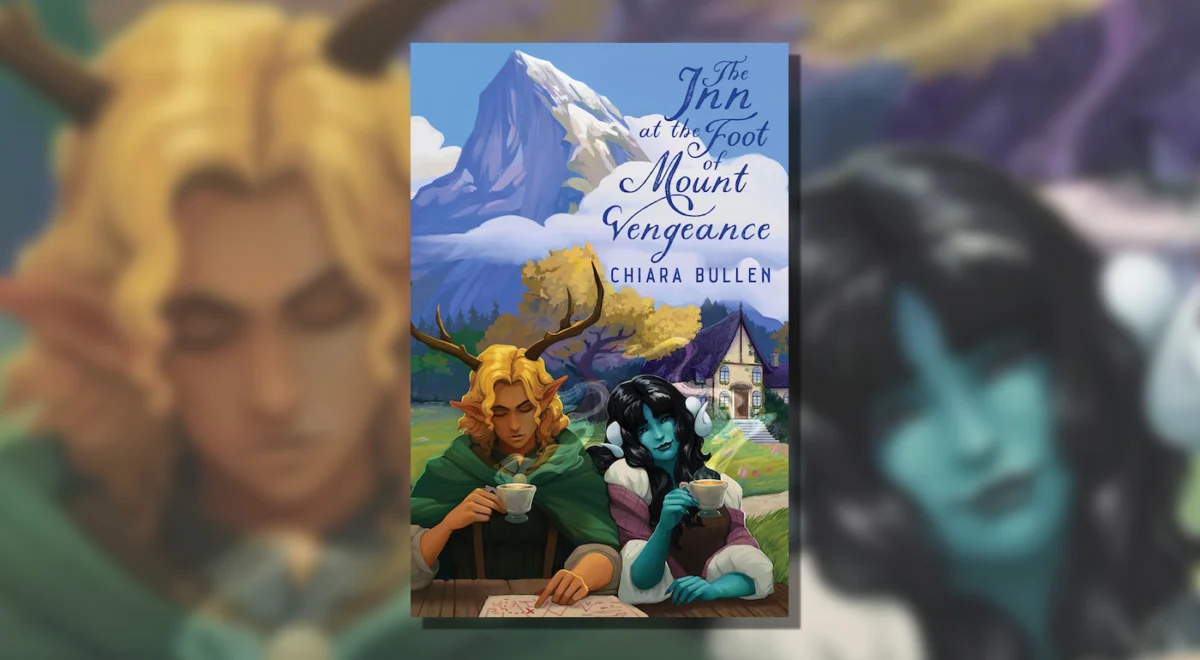
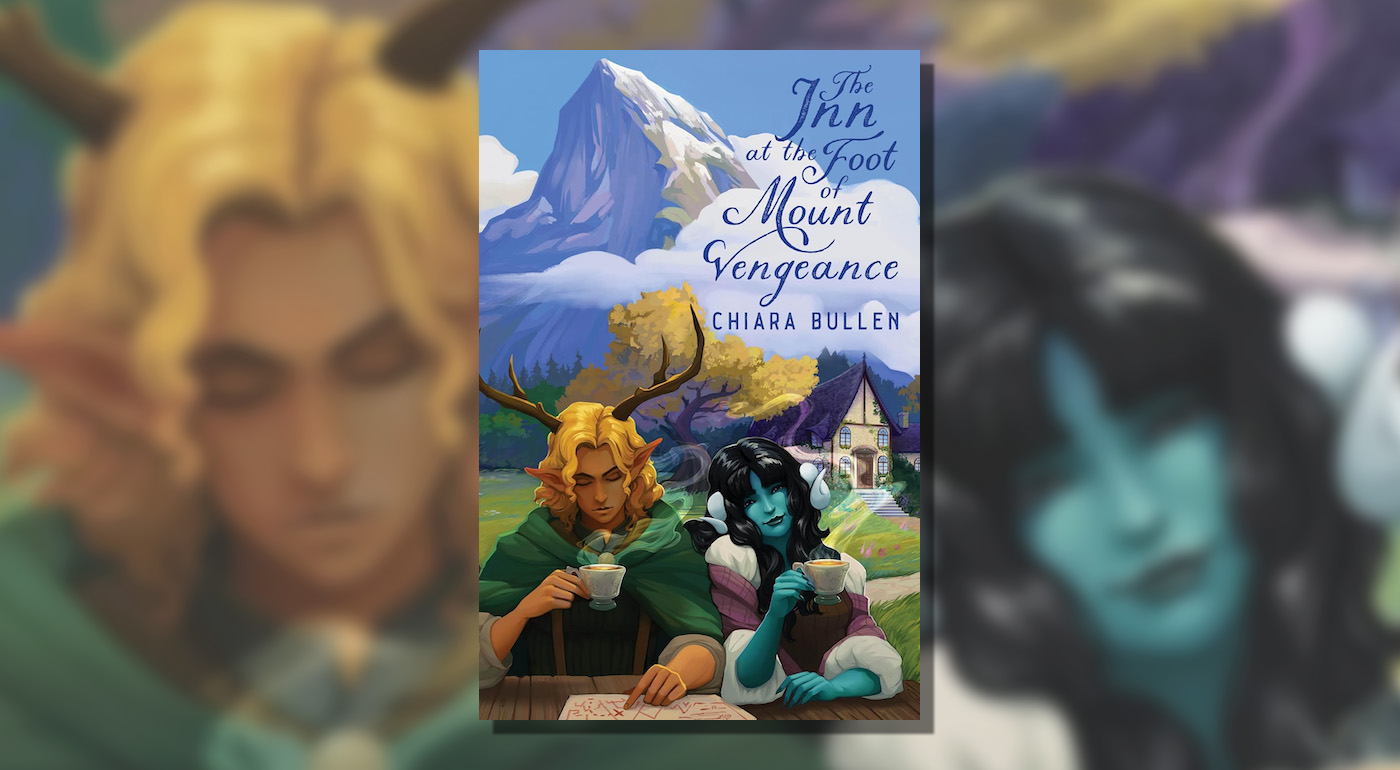
Del Rey is set to release Chiara Bullen’s debut novel, The Inn at the Foot of Mount Vengeance, a cozy fantasy offering that promises to transport readers to a world brimming with mystery and adventure. The novel, slated for publication on July 7th, introduces readers to Ainsworth Gladsly, a determined historian whose academic pursuits lead him to the enigmatic Misnich Inn, nestled at the base of the legendary Mount Vengeance. The narrative delves into Ainsworth’s quest to document the exploits of adventurers drawn to the mountain’s perilous allure and the dragon rumored to inhabit its peak, all while grappling with the inn’s peculiar lack of clientele and the deepening mystery surrounding the mountain itself.
Unveiling a Literary Journey: The Premise of The Inn at the Foot of Mount Vengeance
At the heart of Bullen’s novel lies the legend of Mount Vengeance, a formidable peak that beckons thrill-seekers and glory hunters. For Ainsworth Gladsly, an ambitious research fellow and budding historian, the mountain represents not a physical challenge, but a fertile ground for his doctoral thesis. His supervisor, Heritage Master Lyria, dispatches him to the remote Misnich Inn with the specific mandate to be the first to chronicle the tales of those who dare to face the mountain’s dangers.
However, Ainsworth’s arrival at the inn is far from the triumphant entrance he envisioned. Instead of a sophisticated academic embarking on a groundbreaking research project, he finds himself a bedraggled scholar, battling atrocious weather and the stark reality of a journey undertaken on foot. The rustic charm of the Misnich Inn, and its welcoming innkeeper, Honey, offer a stark contrast to the urban comforts Ainsworth cherishes. Yet, the mountain’s secrets remain stubbornly elusive. Ainsworth discovers a puzzling lack of evidence of anyone actually attempting the climb, with even the most seasoned warriors choosing to turn back. This perplexing situation places Ainsworth’s reputation on the line, compelling him to unravel the mystery, even if it means personally urging adventurers to confront the mountain’s challenges.
Chapter One: A Scholar’s Grueling Arrival
The opening chapter immediately immerses the reader in Ainsworth Gladsly’s arduous journey. His idealized vision of discovering the Misnich Inn—a scene of gentle breezes, pristine attire, and academic triumph—is brutally contrasted with the grim reality of his arrival. Four weeks of difficult travel have left him soaked, mud-splattered, and deeply regretting his initial reluctance to undertake this fieldwork. His meticulously chosen silk stockings, sharpest trousers, and gold-buckled suspenders are no match for the relentless rain, which has seeped through his attire, leaving him feeling less like a distinguished scholar and more like a "wandering, weak adventurer."
Ainsworth’s internal monologue reveals his preference for the controlled environments of city archives and grand homes, where his expertise in unearthing forgotten histories can be applied without the indignities of harsh weather and rough terrain. His reliance on a fifty-year-old letter and a hand-drawn map from his great-grandfather, coupled with vague assurances from locals, fuels his growing anxiety that the Misnich Inn might be nothing more than a myth. The absence of any other travelers heading towards the inn, especially those seeking respite before facing the mountain, deepens this concern. He questions the efficacy of an inn that relies on "vague, word-of-mouth rumors" and lacks even a visible sign.
The Misnich Inn: A Sanctuary or a Stumbling Block?
The narrative shifts as Ainsworth finally descends the hill and the Misnich Inn appears, seemingly conjured by his desperate wish for it to exist. The sight of the white stone building with its arched windows and golden light offers a beacon of hope. However, his triumphant approach is immediately dampened by the presence of a stern-faced guard, Ashe, who stands as an unyielding sentinel. Her unresponsiveness to his polite inquiries, his attempts at humor, and even his offer of coin highlights the peculiar nature of the inn’s reception.
Ainsworth’s frustration mounts as Ashe questions his identity, mistaking his enchanted trunk for that of a merchant. His assertion of being a research fellow from the Skarrow Library, aiming to document the inn and the adventurers of Mount Vengeance, is met with skepticism. The innkeeper, Honey, a tyflan with teal skin, small horns, and a pointed tail, emerges and intervenes, expressing concern for Ainsworth’s drenched state and advocating for his entry. However, Ashe remains unconvinced, labeling him a merchant rather than a genuine adventurer.
Inside the Inn: Unveiling the Dynamics
Upon entering the inn, Ainsworth is met with the warmth of a blazing hearth and the intricate, ivy-adorned decor. He encounters Bren, a dwarf seemingly overseeing operations from behind a counter. Honey explains the inn’s limitations: no private rooms with desks and no single-bed accommodations, only shared spaces. Ainsworth, resigned, agrees to a bed in the smallest room, expressing his intention to stay for a full moon’s turning – a duration that visibly surprises Honey.
Ainsworth then formally introduces himself and outlines his ambitious project: to immortalize the Misnich Inn and the tales of those who attempt Mount Vengeance. He envisions himself as the chronicler of heroes, ensuring their stories are passed down through generations. This declaration elicits a surprised "How… ambitious!" from Honey, while Bren offers a dismissive snort from the bar.
The Crucial Revelation: The Mystery Deepens
The narrative culminates in a pivotal revelation that underscores the central mystery of the novel. When Ainsworth confidently assumes he will encounter guests over his extended stay and document successful quests, Honey delivers a startling truth. She explains that no one who has ever stayed at the Misnich Inn has actually proceeded to Mount Vengeance. They arrive with intentions of climbing, but by the following morning, they invariably choose to turn back, abandoning their quests. This revelation leaves Ainsworth in a state of disbelieving frustration, questioning the very foundation of his research and the purpose of his arduous journey. The chapter concludes with Ainsworth grappling with this unexpected twist, his scholarly ambition now facing an unprecedented obstacle.
Background and Context: The Allure of Mount Vengeance
The legend of Mount Vengeance is established as a significant cultural touchstone within the Kingdom of Saltquart. Its reputation as a crucible for proving valor and achieving renown draws individuals from across the realm. The presence of a dragon, a common trope in fantasy literature, further amplifies its mystique and the potential rewards for those brave enough to confront it. The Misnich Inn, by its very positioning at the foot of this formidable peak, is intrinsically linked to these tales of heroism and aspiration. However, the narrative suggests a deeper, perhaps darker, reason for the inn’s existence or the mountain’s reputation, one that deters rather than encourages conquest.
Supporting Data and Inferred Reactions
While specific statistical data is not provided in the excerpt, the narrative implies a pattern of behavior among potential adventurers. The consistent "turning back" suggests a pervasive psychological or perhaps even magical deterrent associated with Mount Vengeance. This phenomenon could be inferred to be a source of quiet frustration or resignation for the inn’s staff, who likely witness this pattern repeatedly. Honey’s surprised reaction to Ainsworth’s extended stay and his ambition hints at the unusual nature of his presence, as typical guests are transient, their visits cut short by their own unfulfilled intentions. Bren’s gruff demeanor and offer of ale suggest a pragmatic, perhaps jaded, outlook on the inn’s clientele and their motivations.
Analysis of Implications: A Scholar’s Dilemma
Ainsworth’s predicament presents a fascinating case study in academic ambition versus empirical reality. His entire research project hinges on the assumption that adventurers undertake and potentially succeed in their quests on Mount Vengeance. The inn’s consistent failure to produce such individuals throws his meticulously laid plans into disarray. This situation has several implications:
- Re-evaluation of Research Methodology: Ainsworth may need to pivot his research from documenting successful quests to investigating why adventurers are deterred. This could lead to a deeper, more complex historical and psychological exploration.
- Personal Growth for Ainsworth: The challenges he faces—physical hardship, lack of expected results, and the enigmatic nature of the inn—will likely force Ainsworth to adapt, perhaps developing resilience and resourcefulness beyond his scholarly inclinations.
- The Inn’s Purpose: The core mystery of the inn’s true purpose and the mountain’s secrets becomes paramount. Is the inn a gatekeeper, a sanctuary, or something else entirely? The consistent deterrence of adventurers suggests a deliberate mechanism at play.
- The Cozy Fantasy Genre: The "cozy fantasy" label suggests that while mysteries and challenges exist, the overall tone will remain lighthearted and character-focused, avoiding excessive darkness or violence. Ainsworth’s internal struggles and his interactions with Honey and Ashe will likely form the emotional core of the story.
The excerpt from The Inn at the Foot of Mount Vengeance effectively sets the stage for a compelling narrative, blending the charm of a cozy fantasy setting with the intrigue of a persistent mystery. Ainsworth Gladsly’s journey promises to be one of unexpected challenges and potential discoveries, both about the world and about himself.