Focus Features has officially debuted the first trailer for Werwulf, the highly anticipated new feature from director Robert Eggers, signaling a return to the visceral and historically grounded horror that has defined the filmmaker’s career. Starring Aaron Taylor-Johnson, Willem Dafoe, and Lily-Rose Depp, the film is scheduled for a wide theatrical release on December 25. The production marks the latest collaboration between Eggers and Focus Features, following the critical success of his previous period-piece epics. Positioned as a "harrowing tale of devotion, damnation, and the devil within," Werwulf appears to continue the director’s exploration of folklore and the psychological disintegration of characters isolated by their environments and beliefs.
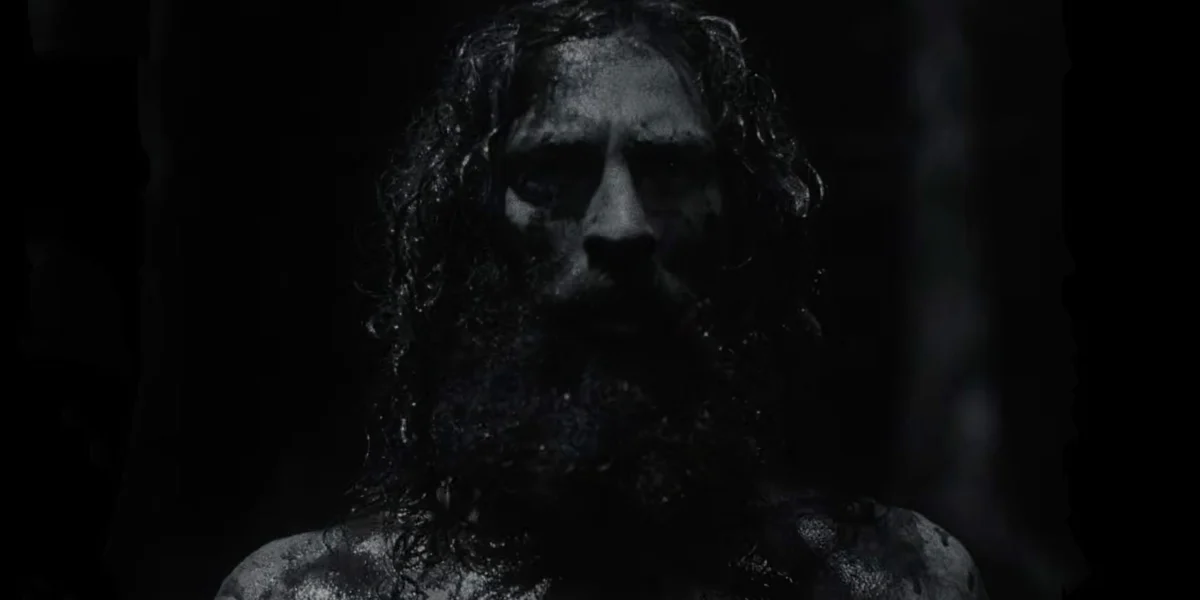
The unveiling of the trailer provides the first look at the film’s distinctive visual language, which utilizes a 1.37:1 aspect ratio and orthochromatic-style cinematography. This technical choice, led by longtime collaborator and Academy Award-nominated cinematographer Jarin Blaschke, lends the film a high-contrast, nearly black-and-white appearance with heavy grain and low saturation. The aesthetic is reminiscent of early 20th-century cinema, a period that Eggers has frequently drawn inspiration from to create a sense of temporal displacement for modern audiences.
A New Vision of Lycanthropic Folklore
Werwulf represents a significant addition to the werewolf subgenre, which has seen various iterations throughout cinematic history, from the gothic tragedy of Universal’s 1941 The Wolf Man to the practical effects-driven horror of the 1980s. However, Eggers’ approach appears to eschew the traditional tropes of the genre in favor of a more atmospheric and myth-heavy narrative. According to early production notes, the film focuses on the internal and external transformation of its protagonist, played by Aaron Taylor-Johnson.
The trailer emphasizes the psychological weight of the curse, focusing on the dread of the transformation rather than the spectacle of the creature itself. Industry analysts have noted that this "slow-burn" approach mirrors Eggers’ treatment of the supernatural in The Witch (2015) and the titular creature in his upcoming Nosferatu (2024). By keeping the central monster largely off-screen or obscured by shadows, the film prioritizes the "visceral and haunting experience" promised in the official plot synopsis.
The Technical Execution of Orthochromatic Cinematography
One of the most striking elements of the Werwulf trailer is its visual texture. Jarin Blaschke, who has served as the director of photography on all of Eggers’ feature films—including The Lighthouse and The Northman—has employed a specific orthochromatic look for this project. Orthochromatic film stock was the industry standard during the early decades of motion pictures; it is sensitive to blue and ultraviolet light but blind to red light, which results in skin tones appearing weathered and sky tones appearing blown out or ethereal.
By replicating this look digitally or through specialized filtering, Blaschke and Eggers have achieved a "classical and radical" aesthetic. The use of the 1.37:1 "Academy Ratio" further compresses the frame, heightening the sense of claustrophobia that often permeates Eggers’ work. This technical dedication to historical accuracy extends beyond the camera lens, involving rigorous attention to production design and costume authenticity, which have become hallmarks of an Eggers production.
Cast and Character Dynamics
The casting of Werwulf brings together a mix of frequent collaborators and new faces to the Eggers cinematic universe. Willem Dafoe, who previously starred in The Lighthouse and The Northman, continues his professional relationship with the director. While his specific role in Werwulf has not been fully detailed, the trailer suggests he plays a figure of authority or esoteric knowledge, a role well-suited to his expressive and often intense performance style.

Aaron Taylor-Johnson takes the lead as the central figure grappling with the "devil within." Taylor-Johnson has built a reputation for transformative physical roles, and his casting is seen as a strategic move to ground the film’s supernatural elements in a tangible, physical performance. Lily-Rose Depp, who has recently moved into more mature and challenging roles, rounds out the primary cast. Her involvement suggests a narrative focused on the interpersonal toll of the film’s central curse, particularly the "devotion" mentioned in the synopsis.
Chronology of Production and Release Strategy
The development of Werwulf followed a highly controlled production schedule, largely shielded from public view until the trailer’s release. The decision to release the film on Christmas Day is a tactical move by Focus Features, placing the film in a prime window for both holiday box office revenue and awards season consideration.
- Initial Development: Following the completion of The Northman, Eggers began scouting for a project that would return to the smaller-scale, high-intensity atmosphere of his early work.
- Filming: Principal photography took place in remote locations, utilizing natural lighting and historically accurate sets to maintain the immersion for which the director is known.
- Post-Production: The color grading process was extensive, ensuring the orthochromatic look maintained consistency across various lighting conditions.
- Marketing Launch: The release of the official trailer in late 2024 serves as the primary promotional vehicle, bypassing the traditional fall film festival circuit in a move similar to the strategy used for Nosferatu.
Industry Reactions and Awards Projections
Within the film industry, the trailer for Werwulf has sparked discussions regarding its potential impact on the upcoming awards season. Robert Eggers’ films have historically performed well in the technical categories of the Academy Awards and various critics’ circle awards. The Lighthouse received a nomination for Best Cinematography, and his most recent projects have been praised for their production design and makeup.
Early projections suggest that Werwulf will be a strong contender in the "Craft" categories, specifically:
- Cinematography: For Jarin Blaschke’s innovative use of the orthochromatic aesthetic.
- Production Design: For the meticulous recreation of the film’s specific historical setting.
- Costume Design: A category where Eggers’ films consistently excel due to their archival-level accuracy.
- Makeup and Hairstyling: Particularly concerning the physical manifestations of the werewolf curse.
While horror films occasionally face hurdles in the major categories like Best Picture or Best Director, the "prestige horror" label attached to Eggers’ work often bridges the gap between genre cinema and high-art filmmaking.
Broader Implications for the Genre
The release of Werwulf comes at a time when the horror genre is experiencing a shift toward "auteur-driven" narratives. Directors like Ari Aster, Jordan Peele, and Robert Eggers have successfully marketed films that prioritize atmosphere and psychological depth over traditional jump scares. By focusing on "damnation and the devil within," Werwulf positions itself as a philosophical inquiry into human nature, using the werewolf myth as a vessel for deeper thematic exploration.
Furthermore, the film’s commitment to a specific historical timeframe—a recurring theme in Eggers’ filmography—highlights a growing audience interest in period-accurate horror. This trend suggests that viewers are seeking immersive experiences that provide both a sense of escapism and a connection to the primal fears found in ancient folklore.
Conclusion
As Focus Features prepares for the December 25 release, the anticipation for Werwulf continues to build among cinephiles and general audiences alike. The trailer has established a clear vision: a film that is as much a technical marvel as it is a harrowing narrative experience. By reuniting a proven creative team and leaning into a unique visual style, Robert Eggers appears poised to deliver another significant contribution to modern cinema. Whether Werwulf will achieve the same cult status as The Witch or the broad acclaim of The Lighthouse remains to be seen, but its arrival marks a pivotal moment in the 2024 cinematic calendar. The film stands as a testament to the enduring power of folklore and the ability of a singular directorial voice to redefine classic monsters for a new generation.