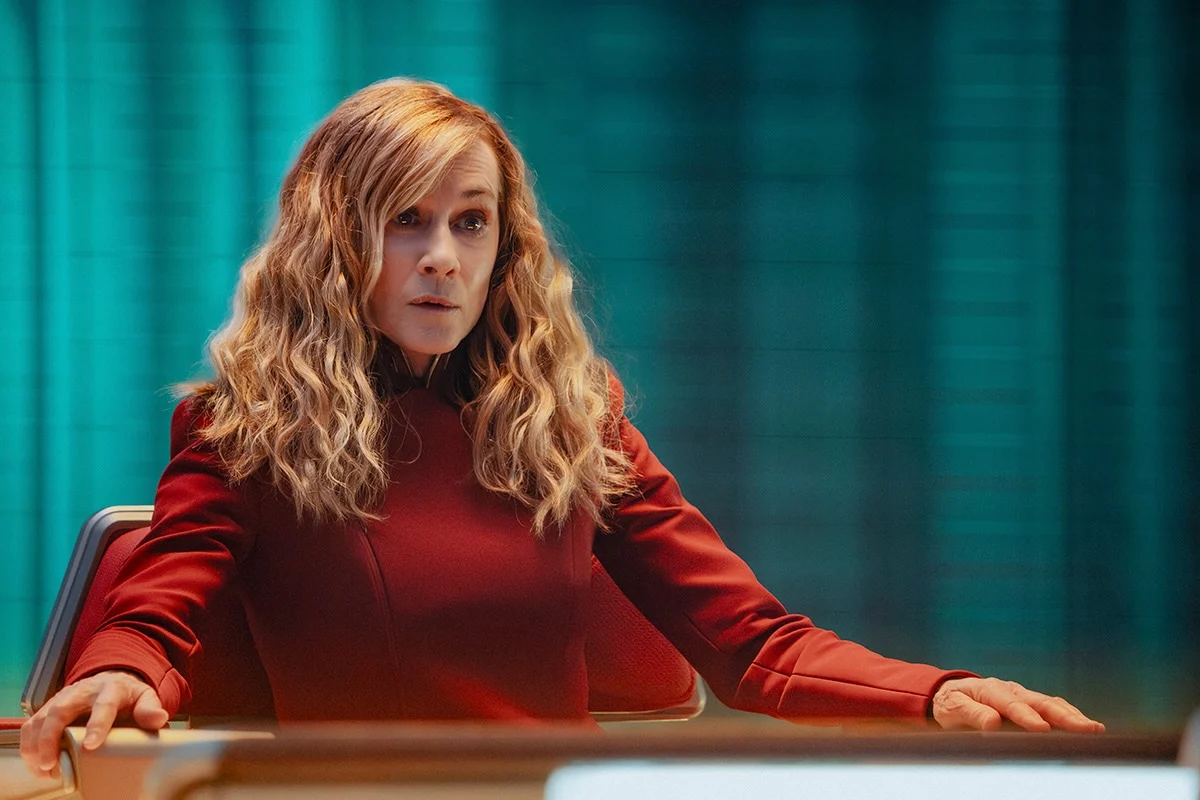
The universe of Star Trek is experiencing a period of transition with the announcement that Starfleet Academy, the newest live-action series set within the iconic science fiction franchise, will conclude after its upcoming second season. This decision comes as the first season of the show, which premiered on Paramount+, has just wrapped its initial run. While the renewal for a second season was confirmed prior to the first season’s debut, the subsequent announcement of its cancellation signifies a finite narrative arc for the series.
A Brief but Impactful Journey
Starfleet Academy aimed to capture the early days of Starfleet, focusing on a new generation of cadets navigating the challenges and wonders of space exploration and intergalactic diplomacy. The series sought to blend familiar Star Trek themes of discovery, unity, and personal growth with the specific dynamics of a training academy environment. Its premise offered a fresh perspective on the foundational years of Starfleet officers, a concept that has long been a point of interest for fans of the franchise.
The show’s first season introduced a diverse ensemble cast of young cadets, exploring their interpersonal relationships, academic pursuits, and the formative experiences that would shape them into future Starfleet officers. It also incorporated elements of continuity, bringing back beloved characters from earlier iterations of Star Trek, most notably Robert Picardo reprising his role as The Doctor from Star Trek: Voyager. This integration of new and familiar elements was intended to bridge generational divides within the fandom and provide a sense of ongoing narrative development within the broader Star Trek canon.
Official Statements and Creator Reflections
CBS Studios and Paramount+ released a joint statement acknowledging the conclusion of Starfleet Academy after its second season. The statement expressed pride in the show’s ambition, passion, and creativity, highlighting its role in introducing new characters and expanding the Star Trek universe.
"We’re incredibly proud of the ambition, passion, and creativity that went into bringing Star Trek: Starfleet Academy to life," the statement read, as reported by Variety. "The series introduced audiences to a bold new group of characters, welcomed familiar faces, and expanded the Star Trek universe in exciting new ways. We’re grateful to Alex Kurtzman, Noga Landau, Gaia Violo, and the entire cast and crew who pushed storytelling boundaries in the spirit of Gene Roddenberry’s vision. We look forward to sharing the upcoming second and final season with everyone, and continuing to celebrate the cast, crew, and all that was accomplished with this series."
Alex Kurtzman and Noga Landau, who served as co-showrunners for Starfleet Academy, also shared a letter reflecting on the series’ conclusion. Their message underscored the collaborative effort involved in bringing the show to fruition and reaffirmed their commitment to delivering a strong final season.
"It’s been my and Noga’s joy and privilege to help carry Gene Roddenberry’s extraordinary vision forward with Starfleet Academy, thanks to the hundreds of hardworking humans who pour every ounce of their talents into the work daily with imagination and reverence," Kurtzman and Landau wrote. "We are in post-production now on what will be the second and final season. We’re so proud of what we’ve accomplished together on this show, and the world will get to see the work of these extraordinary artists when season two airs. We will finish strong."
Their letter also delved into the philosophical underpinnings of the Star Trek universe, emphasizing Gene Roddenberry’s vision of an optimistic future built on diversity, scientific inquiry, and respect for all life. They noted that Roddenberry’s vision was not simply idealistic but also served as a cautionary tale, urging humanity to overcome its destructive tendencies.
Context within the Star Trek Television Landscape
The cancellation of Starfleet Academy occurs at a dynamic point for Star Trek on television. Paramount+ has been actively expanding the franchise, with multiple series running concurrently or in various stages of production. Star Trek: Strange New Worlds, which follows the voyages of Captain Christopher Pike and the USS Enterprise before Captain Kirk’s command, has been a critical and commercial success. It has been renewed for a fourth season, with its fifth and final season having recently completed production. This parallel success of Strange New Worlds highlights the ongoing appeal of the franchise, even as other ventures conclude.
Beyond these two series, the future of announced Star Trek television programming remains somewhat uncertain. While Starfleet Academy has concluded its run after season two, and Strange New Worlds is slated to end after season five, there are no other live-action Star Trek series with announced premiere dates on the immediate horizon. This creates a potential gap in the franchise’s television output, prompting speculation about future projects and the strategic direction of Star Trek content development.
Analysis of Implications and Fandom Reaction
The decision to conclude Starfleet Academy after two seasons, despite having a confirmed second season ordered, suggests a strategic reassessment by Paramount+ and CBS Studios. Factors contributing to such decisions can include viewership metrics, production costs, the availability of other franchise opportunities, and the overall creative direction for the Star Trek universe. While the series was described as a "fun addition" by some observers and offered a new avenue for storytelling, it may not have met the specific performance benchmarks or strategic goals set by the network.
For fans, the news of Starfleet Academy‘s impending end is likely to be met with disappointment. The show offered a unique entry point into the Star Trek universe, appealing to both long-time viewers and potentially new audiences drawn to the academy setting and its youthful protagonists. The opportunity to see these characters develop over multiple seasons, as is typical for successful serialized television, is now curtailed. The presence of established actors like Robert Picardo further added to the show’s appeal, providing a link to the franchise’s rich history.
The timing of the cancellation also raises questions about the long-term strategy for Star Trek television. With the conclusion of Picard and the forthcoming end of Discovery, and now Starfleet Academy, the franchise is undergoing a significant shift. The focus on Strange New Worlds and the potential for new series will shape how Star Trek evolves in the coming years. The success of Starfleet Academy‘s second season will be crucial in providing a satisfying conclusion to its narrative, allowing the cast and crew to deliver a memorable finale that honors the spirit of the franchise.
The enduring legacy of Gene Roddenberry’s vision, as emphasized by the showrunners, remains a guiding principle for Star Trek. The franchise’s ability to balance hope with a realistic appraisal of humanity’s challenges has been a hallmark of its success. As Starfleet Academy embarks on its final season, it will undoubtedly strive to embody these core tenets, leaving audiences with a lasting impression of its contribution to the expansive and ever-evolving Star Trek saga. The coming months will likely see further announcements regarding the future direction of Star Trek television, as the franchise continues to explore new frontiers in storytelling.