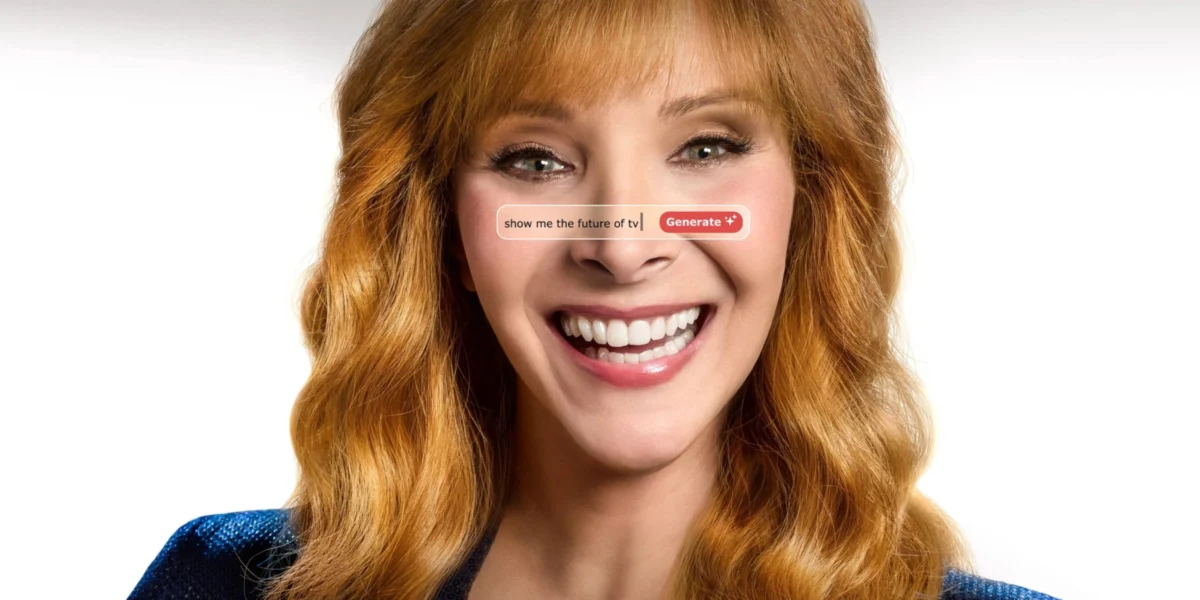
The third season of the HBO original series The Comeback marks a significant cultural milestone in the landscape of prestige television, arriving eleven years after its previous iteration to address the most pressing existential threat to the entertainment industry: artificial intelligence. Created by Michael Patrick King and Lisa Kudrow, the series continues its meta-narrative exploration of Valerie Cherish, an actress whose career serves as a perennial barometer for the shifts within Hollywood’s industrial complex. While previous seasons dismantled the vapidity of early 2000s reality television and the self-importance of the 2010s "prestige drama" era, the third season pivots toward the ethical and creative dilemmas posed by algorithmic content generation.
Industrial Context and the Evolution of the Series
The Comeback has historically functioned as a satirical mirror to the internal mechanics of the television industry. The series first premiered in 2005, during the height of the reality TV boom led by programs like The Surreal Life and The Apprentice. Despite critical acclaim, it was canceled after a single season, only to be revived in 2014 to satirize the rise of the "dark" cable dramedy and the desperation of the Emmy-chasing Hollywood elite.
The current revival arrives in a post-strike environment. Following the 184-day Writers Guild of America (WGA) strike and the 118-day SAG-AFTRA strike of 2023, the usage of generative artificial intelligence (GAI) has remained at the forefront of labor negotiations and creative discourse. By centering Season 3 on an AI-written sitcom, King and Kudrow engage directly with the anxieties of a workforce concerned about digital replication and the devaluation of human craft.
Narrative Overview: Valerie Cherish in the Age of Algorithms
Season 3 finds Valerie Cherish (Lisa Kudrow) in a position of relative financial stability but professional stagnation. Eleven years have passed since the conclusion of Season 2, which saw Valerie winning an Emmy Award for her role in the fictional series Seeing Red. In the intervening decade, Valerie’s public profile has fluctuated; she is noted for a brief, albeit humiliating, stint on the reality competition series The Traitors, a detail that underscores her ongoing willingness to trade dignity for visibility.
The central conflict of the season is established when Valerie is offered the lead role in a new sitcom—notably the first television series scripted entirely by artificial intelligence. Despite the ethical concerns raised by her peers and the broader industry, Valerie’s desire for a "comeback" overrides her creative reservations. The season follows her as she navigates a production environment where traditional roles—showrunners, writers, and even directors—are increasingly marginalized in favor of cost-cutting algorithmic efficiency.
Performance Analysis: The Nuance of Cringe Comedy
Lisa Kudrow’s portrayal of Valerie Cherish remains the series’ foundational strength. Critics and industry analysts have noted that Kudrow’s performance in Season 3 represents a career-best effort, balancing the character’s signature lack of self-awareness with a profound, underlying vulnerability. Valerie’s struggle is twofold: she must maintain her carefully curated public persona for the cameras documenting her life, while privately grappling with the loss of her best friend and long-time hair stylist, Mickey (an emotional arc that pays tribute to the late Robert Michael Morris).
The performance is characterized by what industry insiders describe as "unhinged line readings" and a specific comedic timing that highlights the artificiality of the sitcom format. However, the season’s most impactful moments occur in the silences. When the camera catches Valerie in moments of genuine doubt—specifically regarding her decision to serve as an executive producer on an AI-led project—Kudrow demonstrates a level of pathos that transcends the show’s satirical roots.
Technical Innovation and Documentary Aesthetics
One of the most notable technical achievements of Season 3 is the evolution of its visual language. The Comeback has always utilized a mockumentary or "found footage" style, but the new season expands this to include:

- Standard documentary-style camera work.
- Vertical video from smartphone recordings.
- Low-resolution security camera footage.
- "Traditional" cinematic shots where the presence of a camera crew is not acknowledged.
The seamless integration of these disparate visual styles, edited with surgical precision, serves to further characterize Valerie’s relationship with the lens. In the current media landscape, where "content" is captured and consumed across multiple platforms simultaneously, the show’s technical approach reflects the fragmented nature of modern fame. The editing team has been lauded for maintaining narrative clarity while mimicking the chaotic, multi-source visual environment of 2025.
The AI Debate: Scripting the "Serviceable"
A critical element of the season is its depiction of AI-generated dialogue. The writers of The Comeback—who have publicly confirmed that no AI was used in the creation of the season itself—opted for a nuanced approach to the fictional "AI scripts" within the show. Rather than making the AI-written dialogue overtly nonsensical for cheap laughs, the scripts are portrayed as "serviceable."
This decision highlights a more terrifying reality for creative professionals: that AI can produce content that is "good enough" for mass consumption. By synthesizing existing tropes from decades of television history, the AI in the show produces jokes that are functional but devoid of the unique "human signature" that defines original art. The series argues that while a machine can replicate the structure of a joke, it cannot replicate the lived experience required to imbue a performance with meaning.
Supporting Cast and Character Dynamics
While Kudrow is the focal point, the supporting cast provides the necessary friction to drive the narrative:
- Damian Young (Mark Berman): Valerie’s husband, Mark, is no longer the primary breadwinner, shifting the power dynamics within their household and adding a layer of domestic tension to Valerie’s professional pursuits.
- Laura Silverman (Jane): As the documentary director, Jane continues to serve as the audience’s surrogate, her silent reactions often providing the season’s sharpest critiques.
- Dan Bucatinsky (Billy Stanton): Valerie’s high-strung publicist remains a vital component of the series, navigating the complexities of modern PR in an era of viral trends and instant cancellations.
The season also features a robust guest cast, including Andrew Scott and Brittany O’Grady, who represent the younger generation of actors forced to navigate an industry that increasingly views them as data points rather than artists.
Industry Implications and Critical Reception
The critical consensus for Season 3 has been overwhelmingly positive, with the season receiving a score of 9/10 from leading television critics. The show is being positioned as a frontrunner for several categories in the upcoming Emmy Awards, including:
- Outstanding Comedy Series
- Outstanding Lead Actress in a Comedy Series (Lisa Kudrow)
- Outstanding Writing for a Comedy Series
- Outstanding Directing for a Comedy Series
The only minor criticism noted by reviewers concerns the season finale. While described as satisfying and "sweet," some analysts suggest it lacks the definitive emotional finality of the Season 2 conclusion. However, this is largely viewed as a testament to the exceptionally high standard set by the series’ previous outings.
Broader Impact on the Entertainment Landscape
The return of The Comeback serves as a timely reminder of the importance of human-centric storytelling. As studios continue to explore the limits of automation, the series provides a cautionary tale about the erosion of the creative spirit. It suggests that while the "content churn" of the streaming era may favor efficiency, the enduring power of television lies in the messy, unpredictable, and often "un-algorithmic" nature of human connection.
The series concludes on a note of cautious optimism. It acknowledges that technology like AI is an inescapable part of the future but asserts that it cannot replace the "absolute cacophony" of the creative process. For an industry currently at a crossroads, Season 3 of The Comeback is not just a revival of a beloved character; it is a vital defense of the artistic profession itself. By forcing the audience to empathize with Valerie Cherish—a woman who is often her own worst enemy—the show successfully illustrates the inherent value of the human flaw in a world obsessed with digital perfection.