Indonesian cinema is unequivocally having a significant moment. Its impressive battery of action and horror hits throughout the 2010s has successfully cultivated substantial goodwill and attracted critical investment, positioning it robustly for continued prominence in the current decade. Filmmakers such as Gareth Evans and Joko Anwar have ascended to become definitive Asian genre benchmarks, much in the same vein as Prachya Pinkaew and the Pang Brothers were in the 2000s, suggesting that Indonesian cinema is effectively picking up where Thai cinema previously left off. In this context, Herwin Novianto’s recent remake of the 2004 Thai classic “Shutter,” originally directed by Banjong Pisanthanakun and Parkpoom Wongpoom, appears to symbolize a passing of the torch. However, the critical question remains: does this remake truly represent a way forward for the burgeoning Indonesian film industry, or does it merely echo past successes without forging new ground?
The Ascent of Indonesian Cinema: A Decade of Growth and Global Recognition
The narrative of Indonesian cinema’s resurgence is one of strategic development and creative innovation. For years, the industry operated somewhat beneath the global radar, but a concerted effort by local filmmakers to produce high-quality, genre-driven content began to pay dividends in the late 2000s and early 2010s. The action genre, in particular, found a powerful voice with Gareth Evans’ “The Raid: Redemption” (2011) and its sequel “The Raid 2” (2014). These films, celebrated for their groundbreaking choreography and relentless action sequences, not only garnered international critical acclaim but also introduced Indonesian martial arts, particularly Pencak Silat, to a global audience. They proved that Indonesian productions could compete on a world stage, attracting significant foreign investment and opening doors for future collaborations.
Parallel to this, the horror genre experienced its own renaissance. Directors like Joko Anwar emerged as pioneers, re-energizing Indonesian horror with films that blended traditional folklore, psychological depth, and visceral scares. His 2017 film “Satan’s Slaves” (Pengabdi Setan), a remake of the 1980 classic, shattered box office records, becoming one of the highest-grossing Indonesian films of all time and receiving widespread international distribution through platforms like Shudder. Anwar followed this success with “Impetigore” (Perempuan Tanah Jahanam) in 2019, which further solidified his reputation and garnered awards at various international festivals. These films demonstrated that Indonesian horror could be both culturally specific and universally terrifying, drawing on rich local mythologies while employing sophisticated cinematic techniques.
This period of sustained success has fostered an environment of increased confidence and investment within the Indonesian film industry. Production values have risen, talent pools have deepened, and international distribution channels, including major streaming services like Netflix and Amazon Prime Video, have become more accessible. This global reach is crucial, allowing Indonesian stories and filmmaking styles to influence and engage diverse audiences worldwide, establishing a new benchmark for Asian genre cinema.
The Enduring Legacy of the Original "Shutter" (2004)
To fully appreciate the context of Novianto’s remake, it is essential to revisit the enduring impact of the 2004 Thai original. Directed by Banjong Pisanthanakun and Parkpoom Wongpoom, “Shutter” was a groundbreaking film that redefined the Asian horror landscape in the early 2000s. It arrived at a time when Japanese horror, particularly Hideo Nakata’s “Ringu” (1998) and Takashi Shimizu’s “Ju-On: The Grudge” (2002), had captivated global audiences with its distinct brand of psychological, slow-burn terror featuring vengeful female spirits and unsettling atmospheric dread. “Shutter” successfully built upon this template while injecting its own unique cultural flavors and an ingenious central premise tied to photography.
The original film follows Tun, a photographer, and his girlfriend Jane, who become haunted by mysterious figures appearing in their photographs after a hit-and-run accident. Its brilliance lay not just in its effective jump scares and unsettling imagery, but in its masterful construction of a creeping sense of dread and a genuinely shocking twist ending that recontextualized everything that came before it. “Shutter” was praised for its tight pacing, strong performances, and intelligent script that explored themes of guilt, karma, and the haunting power of past actions.
Critically and commercially, “Shutter” was a phenomenon. It dominated the Thai box office and quickly gained a cult following internationally, leading to several remakes, including a 2008 American version and adaptations in India. Its influence extended beyond direct remakes, inspiring countless other horror films that incorporated photography or technology as a conduit for supernatural terror. The film cemented Thailand’s position as a major player in Asian horror and became a touchstone for discussions on effective psychological horror filmmaking. Its success demonstrated that horror could be both deeply unsettling and emotionally resonant, a stark contrast to the often more superficial slasher films prevalent in Western cinema at the time. The original “Shutter” carved out a niche for a “silent disquiet,” a form of horror that eschewed cheap thrills for escalating chills delivered through stolen glances, sedentary frames, and a methodical build-up of tension.
Novianto’s "Shutter": Plot, Modernization Challenges, and Technical Execution
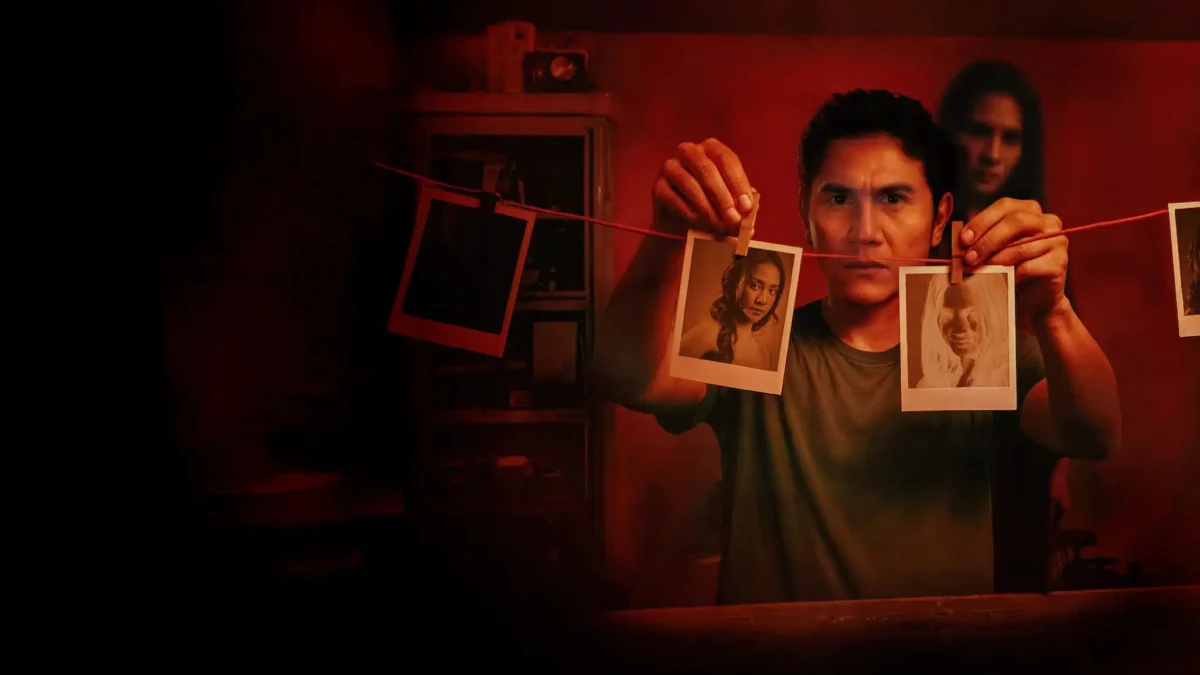
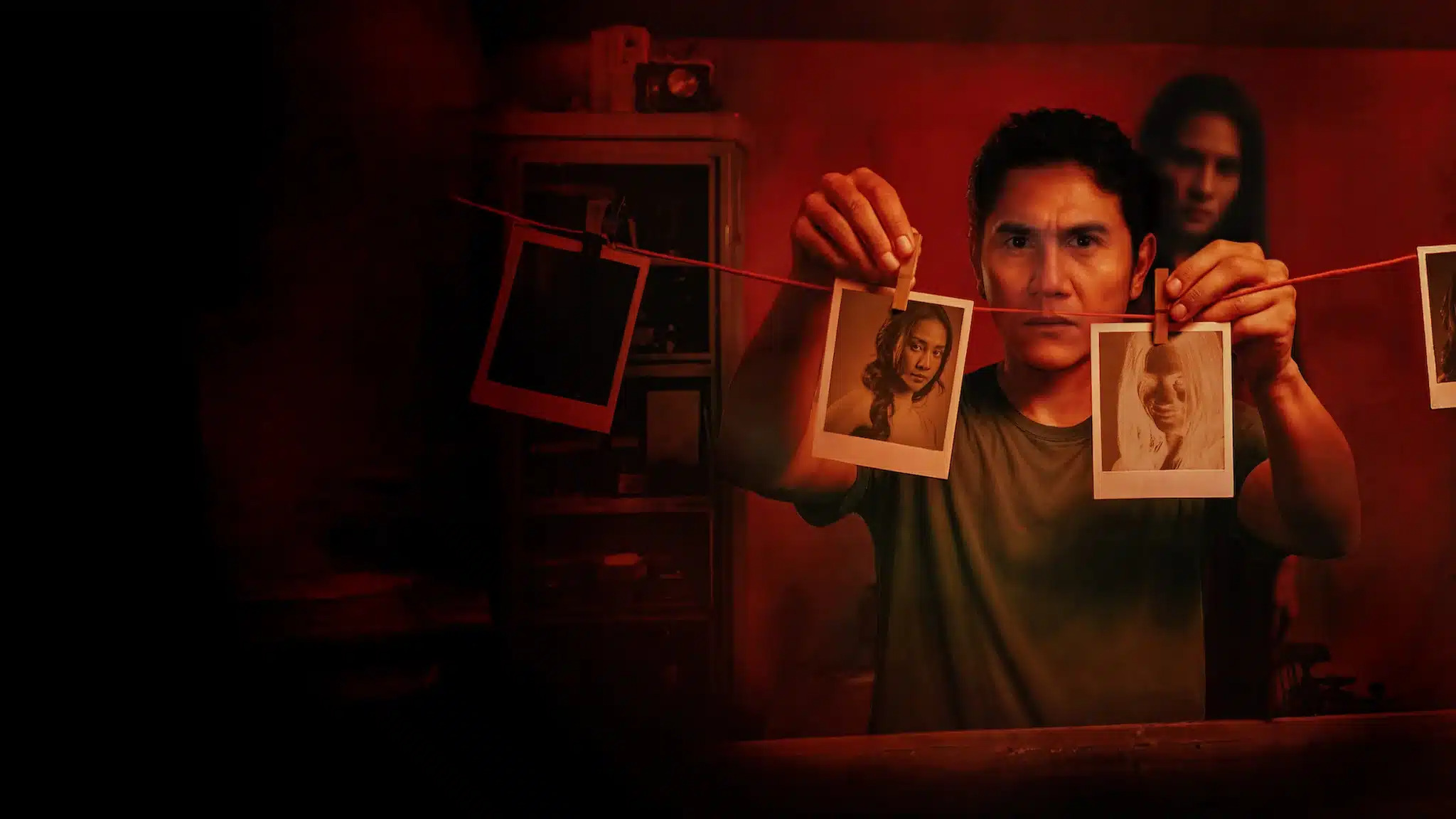
Herwin Novianto’s Indonesian remake introduces Darwin (Vino Bastian), a photographer with an almost obsessive dedication to analog SLR (Single-Lens Reflex) cameras. As a respected senior member of a college camera club, he passionately shares his intricate knowledge of traditional photography with younger generations, highlighting a conscious effort by the filmmakers to address the central premise in a contemporary, yet anachronistic, world. His life, along with that of his girlfriend Pia (Anya Geraldine), takes a harrowing turn after a night drive from a party culminates in a tragic accident. The victim, now a vengeful spirit, is determined to make them acknowledge their culpability, manifesting in their photographs, dreams, and waking lives. As bodies begin to pile up and Darwin’s friends meet grim fates, chaos and mayhem ensue, signaling an inescapable reckoning.
One of the remake’s most significant challenges lies in adapting a horror concept intrinsically linked to analog photography for a generation immersed in digital technology. The original "Shutter" derived much of its terror from the physical manifestation of spirits on film, the delayed gratification of developing photos, and the inherent mystique of a process that was not instantly verifiable. In 2024, smartphones are ubiquitous, digital photography is the standard, and polaroids are largely nostalgic artifacts. The very term “shutter” itself refers to a camera feature that many casual photographers may not even fully comprehend. Film exposure, darkrooms, and chemical processes are alien concepts when one can simply point, shoot, edit, and instantly upload an image online. The advent of AI, capable of generating hyper-realistic images from text prompts in seconds, further disconnects the act of “taking a picture” from any physical reality or tangible process.
The remake attempts to bridge this gap by foregrounding Darwin’s anachronistic obsession with analog photography. The opening sequence meticulously details the process: stop baths, fixers, and darkrooms, with Darwin providing viewers with added insight. While this is an efficient method to help contemporary audiences understand the mechanical underpinnings of the horror, it comes at a cost. The original’s opening, which chillingly presented a montage of haunted photos as credits rolled, immediately established a sense of pervasive dread and mystery. The remake’s educational approach, while necessary for context, inadvertently sacrifices some of that initial creepy urgency, opting for exposition over immediate immersion into the supernatural.
Technical and Artistic Choices: Polish vs. Impact
Rahmat Nur Hidayat’s cinematography in the Indonesian "Shutter" exudes a world-class level of polish, augmented by impeccable costuming and production design. The film visually signals a substantial industrial muscle, aiming for an aesthetic that screams "Hollywood ready." However, this pursuit of globalized polish often leads to a lack of a distinct visual signature. Shots, at times, appear either rushed or overstaying their welcome without a clear rhythm or purpose, ultimately robbing them of the ability to genuinely disturb. This stylistic choice, driven by a desire for a slick, mainstream look, inadvertently diminishes the potential for framing that allows creepiness to settle and build tension.
Febby Gozal and Sentot Sahid’s editing further exacerbates this issue. Their approach seems primarily concerned with maintaining narrative momentum, pushing the plot forward, rather than allowing moments of psychological horror to truly register and make an impact. This stands in stark contrast to the methodical, slow-burn approach characteristic of classic Asian horror, where lingering shots and deliberate pacing were crucial in cultivating an atmosphere of pervasive dread.
Novianto demonstrates a clear reverence for the source material, often replicating scenes almost shot-for-shot, albeit infused with a contemporary Indonesian flavor. This approach sometimes yields effective results; for instance, the ghost’s first major appearance is arguably more impactful in the remake. The setup flows more smoothly, from Pia luxuriating on her couch to the ghost menacingly peering from inside the sink, fingers tracing the basin’s contours. The film also excels in localizing the ghost’s appearance, replacing the cool, ethereal colors of the Thai version with fiery reddish hues on an unkempt shirt and skirt ensemble, rendering the haunting more visceral. And, in a nod to the prevailing trends in Indonesian horror, the remake significantly amplifies the gore, presenting it in a much more explicit and in-your-face manner. This aligns with a broader shift in contemporary horror towards more graphic depictions of violence and bodily harm, often favored by audiences seeking intense visual scares.
However, the characterization of the ghost, portrayed by Niken Anjani, falls short of the original’s mystique. While Anjani subtly resembles Achita Sikamana, who played the original’s ghost, Alim Sudio’s script for the remake renders her character far too "normal," stripping away the enigmatic and terrifying aura that made the original so effective. This normalization detracts from the supernatural terror, grounding the ghost in a human reality that diminishes its otherworldly menace.
Characterization and Performance: A Lack of Psychological Depth
A significant drawback in the Indonesian "Shutter" is the tepid quality of its acting, which severely undermines the film’s potential for psychological horror. Anya Geraldine’s portrayal of Pia, for instance, frequently demonstrates a disconnect between traumatic paranormal encounters and her subsequent emotional state. She often transitions to the next scene as if the preceding terrifying event had little to no lasting impact, failing to convey the profound psychological toll such experiences would invariably inflict. Similarly, Vino G. Bastian’s Darwin encounters Pia’s doppelganger in the darkroom, a truly unsettling event, yet barely acknowledges it when he next meets the real Pia. Both characters appear barely unsettled by the escalating series of bizarre and terrifying occurrences, only overcompensating with dramatic intensity during their designated "big" emotional scenes.
This lack of consistent, believable emotional reactions from the protagonists points to a fundamental problem: the film struggles to maintain its set pieces when needed and to pull back when necessary. As a result, many of the "scary parts" feel incidental rather than integral to a deepening sense of dread or psychological unraveling. There is little to no genuine psychological play at work, which is a critical flaw for a horror film that relies on the gradual erosion of its characters’ sanity. The audience is left observing external events rather than empathizing with the internal terror, creating a detached viewing experience.
Furthermore, the film’s use of music, particularly its "questionable needle drops," often proves detrimental to the atmosphere. A glaring example is the sudden insertion of a loud romantic ballad smack dab in the middle of a tense, climactic scene involving the ghost on a ladder on the side of a building. This musical choice is not only atonally jarring but also emotionally misplaced. Without revealing the specifics of the scene, the use of such a sentimental track during a moment of intense confrontation raises ethical and narrative questions: are viewers truly meant to feel sympathy for the abuser in that context? This deliberate misdirection or misjudgment in score selection undermines the film’s intended emotional impact and further alienates the audience from the narrative’s intended trajectory.
Thematic Disconnect and the Loss of Counter-Hegemonic Horror
The most profound loss in the translation from the original Thai "Shutter" to its Indonesian remake is the disappearance of a specific approach to horror that was truly counter-hegemonic and, lamentably, seems largely lost in contemporary cinema. The early 2000s saw a wave of Asian horror films, including "Shutter," that built upon the template established by Hideo Nakata’s "The Ring" (1998) and Takashi Shimizu’s "Ju-On: The Grudge" (2002). This approach deliberately eschewed the cheap thrills, jump scares, and often superficial narratives of much Western horror. Instead, it prioritized heavy character drama, psychological depth, and a chilling, methodical build-up of suspense.
This form of Asian horror responded to the often loud and overt nature of Hollywood horror with a stern foreboding and an escalating series of subtle chills. It was surgical and methodical, crafting its scares through stolen glances, static, unsettling frames, and a pervading sense of silent disquiet. It wasn’t about what you saw, but what you felt was lurking just beyond the frame, or the dread that slowly crept into the characters’ minds. It was a form of cinema entirely its own, relying on atmosphere, suggestion, and the psychological unraveling of its protagonists rather than overt gore or rapid-fire scares.
The Indonesian remake, in its quest for a polished, "Hollywood ready" aesthetic and its focus on moving the plot along, often falls into the trap of merely "going through the motions." It replicates the visual elements and plot beats of the original but largely misses the underlying philosophical and psychological depth that made the Thai film so impactful. The remake’s increased reliance on overt gore, while aligning with certain contemporary horror trends, further distances it from the nuanced terror of its predecessor. By prioritizing surface-level scares and a fast pace over sustained psychological tension and character development, it fails to tap into the very essence of what made the original "Shutter" and its ilk so revolutionary. The film, therefore, becomes a competent, technically proficient update that struggles to capture the soul and unique artistic vision of the horror movement it seeks to emulate.
Broader Implications for Indonesian Cinema: Innovation vs. Homage
The Indonesian "Shutter" remake presents a compelling case study for the broader trajectory of Indonesian cinema, particularly its horror genre. While the film undeniably showcases the industry’s burgeoning technical capabilities and its ambition to produce globally competitive content, it also raises critical questions about the balance between homage and innovation.
Remaking successful foreign films is a common strategy in the global film industry, offering a pre-existing audience base and a proven narrative structure. For emerging industries like Indonesia’s, it can be a way to leverage established intellectual property, attract investment, and hone technical skills. However, the risk lies in losing the unique cultural and artistic nuances that made the original compelling, often resulting in a product that is polished but lacks a distinct voice. The pursuit of a "Hollywood ready" aesthetic, while understandable for global appeal, can sometimes inadvertently dilute the very local identity and storytelling richness that initially propelled Indonesian cinema onto the world stage.
The success of filmmakers like Joko Anwar and Gareth Evans was not primarily built on direct remakes of foreign hits, but on their ability to craft original, culturally resonant stories with universal appeal, or to reimagine local classics with a fresh, contemporary vision (as Anwar did with "Satan’s Slaves"). These films showcased a unique blend of Indonesian folklore, social commentary, and high-quality genre filmmaking. The Indonesian "Shutter," while competently executed on a technical level, struggles to elevate itself beyond a faithful, yet often superficial, replication of its source. It lacks the psychological play and thematic depth that distinguished the original, suggesting that merely updating visuals and increasing gore may not be enough to truly advance the genre.
For Indonesian horror to sustain its "moment" and continue to grow, it will need to navigate this delicate balance carefully. The industry must continue to foster original storytelling, encourage unique directorial visions, and ensure that its pursuit of technical polish does not come at the expense of profound narrative and thematic engagement. While remakes can serve a purpose, the long-term health and global impact of Indonesian cinema will ultimately depend on its ability to produce distinctive, culturally rich, and innovative works that push creative boundaries rather than simply re-tread familiar ground.
Conclusion
Herwin Novianto’s Indonesian remake of "Shutter" stands as a testament to the impressive technical advancements and growing production capabilities within the Indonesian film industry. It is a visually polished film, effectively localized in certain aspects, and unafraid to embrace the visceral gore often expected in contemporary horror. However, despite these strengths, the remake ultimately fails to maximize the best of what Asian horror, particularly the original "Shutter," truly offered. It struggles with a lack of psychological depth, inconsistent character portrayals, and a thematic disconnect that blunts the impact of its scares. The film’s pursuit of a slick, fast-paced aesthetic inadvertently sacrifices the methodical, chilling atmosphere and the profound, counter-hegemonic approach to horror that made its predecessor a global benchmark.
While it symbolically represents a "passing of the torch" in terms of regional cinematic prominence, the Indonesian "Shutter" raises critical questions about whether faithful replication, even with a contemporary veneer, is truly a "way forward." For Indonesian cinema to sustain its impressive momentum and continue to innovate, it must strive to imbue its productions, whether original or remakes, with the same unique artistic vision and psychological resonance that characterized the defining Asian horror films of the past. Without this deeper engagement, even the most technically proficient updates risk becoming mere echoes, rather than powerful new voices, in the evolving global cinematic landscape.