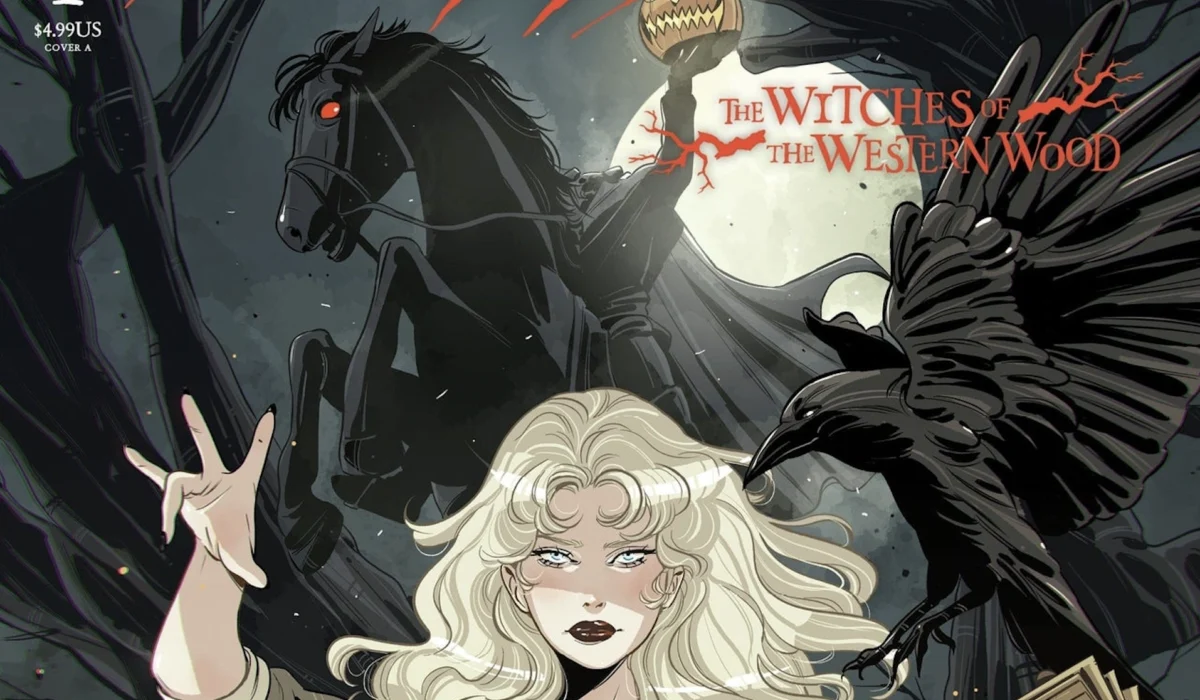
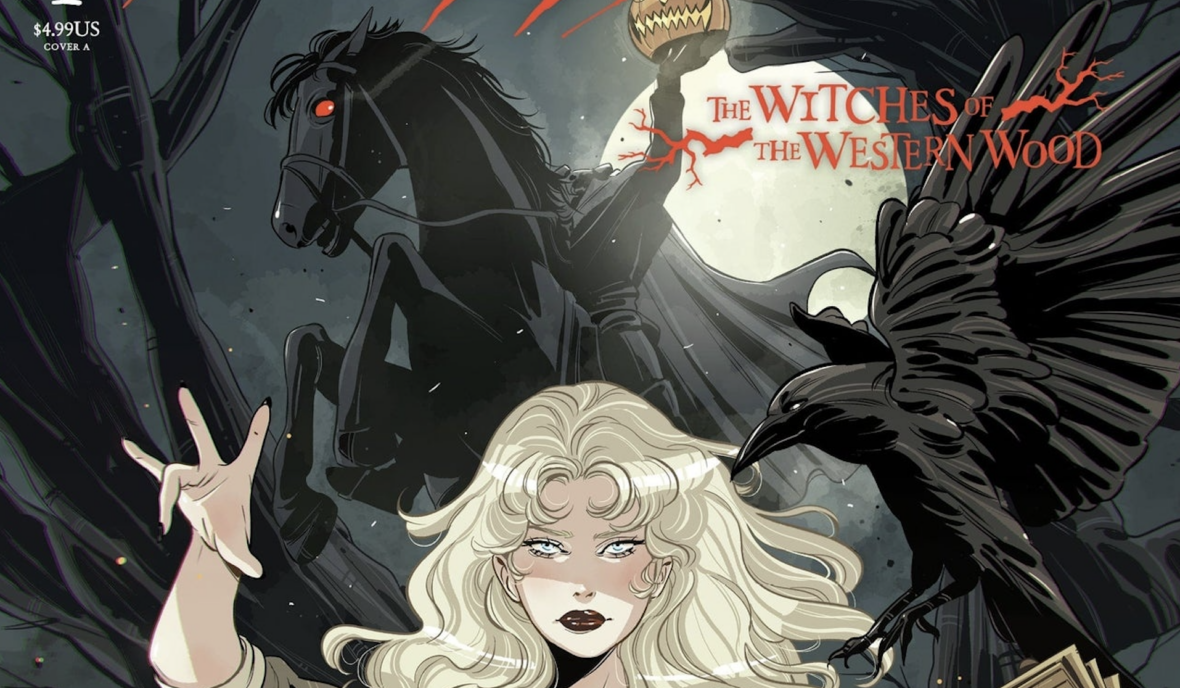
IDW Publishing is set to delve deeper into the dark and mystical underpinnings of the legendary Sleepy Hollow narrative with their upcoming comic series, Sleepy Hollow: The Witches of the Western Wood. Scheduled for release on May 6th, this prequel promises a significant departure from the familiar mystery-driven tales, instead focusing on the potent occult forces that shaped the region’s most infamous figures. This new series aims to explore the genesis of villainy, questioning whether such darkness is inherent or cultivated through harsh experience.
A New Perspective on a Classic Tale
The traditional lore of Sleepy Hollow, most famously immortalized by Washington Irving, centers on the tale of Ichabod Crane and his terrifying encounter with the Headless Horseman. However, The Witches of the Western Wood shifts its gaze, moving away from the itinerant schoolmaster and focusing instead on the formidable witch, Mary Van Tassel, and her pre-villainous life. This approach seeks to excavate the origins of her power and the circumstances that transformed her into a figure of dread.
The narrative introduces Sarah Archer, a young girl forced to navigate a brutal existence under the tutelage of her mother, a witch herself. Raised in the untamed Western Wood alongside her twin, Sarah’s early life is characterized by abuse and neglect. This harsh environment, steeped in the practices of witchcraft, lays the foundation for her future. The pivotal moment of her transformation, according to the series’ synopsis, occurs during the violent beheading of the Hessian soldier, an event that ignites a latent power within Sarah. This cataclysmic encounter not only provides her with the means to confront her tormentors but also sets her on the path to becoming the formidable witch known to Sleepy Hollow’s inhabitants.
The creative team behind this ambitious exploration includes writer Delilah S. Dawson and artist Jose Jaro. Dawson, known for her ability to weave intricate narratives with dark fantasy elements, is poised to craft a compelling origin story for one of gothic literature’s most iconic antagonists. Jaro’s artistic contributions will be crucial in visualizing the unsettling atmosphere of the Western Wood and the burgeoning power of Sarah Archer. The series will launch with multiple variant covers, a common practice in the comic book industry designed to appeal to a diverse collector base and generate early interest.
Exploring the Roots of Evil: A Deeper Dive
IDW’s decision to revisit the Sleepy Hollow mythos through a prequel lens signifies a strategic effort to capitalize on established brand recognition while offering a fresh, thematic exploration. The decision to foreground the "occult roots" suggests a narrative that will delve into the supernatural elements that have always been present in Irving’s work but often overshadowed by the mystery and suspense. This focus allows for a more character-driven narrative, examining the psychological and environmental factors that contribute to the creation of a villain.
The central question posed by The Witches of the Western Wood – "what creates a villain and whether monstrosity is born or made?" – is a timeless one that resonates across various forms of storytelling and psychological inquiry. By tracing Sarah Archer’s journey from a victim of abuse to a powerful witch, the series invites readers to consider the complex interplay of nature and nurture. This philosophical undercurrent adds a layer of depth beyond a simple retelling of a familiar legend.
The timeline of events, while not explicitly detailed, suggests a narrative that begins in Sarah Archer’s youth and culminates with the Headless Horseman’s initial rampage. This chronological approach allows for a gradual unfolding of character development and the acquisition of supernatural abilities. The "hellish Hessian" at the moment of his beheading serves as a dramatic catalyst, an external force that interacts with Sarah’s internal struggles and latent potential. This encounter is not merely a visual spectacle but a narrative ignition point, marking the transition from victim to agent of power.
Contextualizing the Sleepy Hollow Legend
Washington Irving’s "The Legend of Sleepy Hollow," first published in 1820 as part of The Sketch Book of Geoffrey Crayon, Gent., has captivated readers for centuries. The story, set in the late 18th century, established the isolated Dutch settlement of Sleepy Hollow and its most enduring mystery: the spectral Headless Horseman, a Hessian trooper said to have lost his head to a cannonball during the Revolutionary War. The tale’s enduring appeal lies in its blend of folklore, supernatural horror, and the psychological vulnerability of its protagonist, Ichabod Crane.
The character of Mary Van Tassel, while a significant figure in the broader Sleepy Hollow mythology, has often been depicted as a more peripheral character, a source of local gossip and suspicion. By elevating her to a central role in a prequel, IDW is not only expanding the existing narrative but also potentially redefining her significance. This move aligns with a broader trend in popular culture to re-examine and re-contextualize classic characters, often giving voice to those who were previously marginalized or villainized.
The "Western Wood" itself, as depicted in the comic, is likely to be more than just a geographical setting. It represents a space of wildness, isolation, and hidden knowledge, a fitting environment for the upbringing of a witch. This setting can be interpreted as a microcosm of the forces that shape Sarah – untamed, dangerous, and holding secrets that defy conventional understanding. The contrast between this wild environment and the more settled, fearful community of Sleepy Hollow can further illuminate the themes of the series.
Supporting Data and Industry Trends
The comic book industry has seen a resurgence in interest for established literary properties, particularly those with strong visual and thematic potential. Franchises like The Walking Dead (also published by Image Comics, not IDW, but an example of a successful adaptation) and various superhero universes demonstrate the enduring appeal of well-known characters and worlds. IDW Publishing has a history of successfully adapting and expanding upon existing intellectual property, including other classic literature and film franchises.
The success of prequel narratives in other media, such as films and television series, suggests an audience appetite for exploring origins and character development. For instance, the Star Wars franchise has a long history of prequels that delve into the backstories of its iconic characters. This trend indicates that audiences are often drawn to understanding the "why" behind a character’s actions and motivations, especially when those characters are complex or morally ambiguous.
The focus on witchcraft in The Witches of the Western Wood also taps into a broader cultural fascination with the occult, magic, and folklore. This theme has seen a notable resurgence in popular culture, with numerous books, films, and television shows exploring these elements. This contemporary interest can provide a fertile ground for a comic series that promises to explore the darker, more primal aspects of magic.
Potential Implications and Broader Impact
The implications of Sleepy Hollow: The Witches of the Western Wood extend beyond its immediate readership. By reframing the narrative around a character often seen as an antagonist, the series has the potential to spark discussions about agency, trauma, and the nature of evil. It challenges readers to empathize with a character whose journey is steeped in hardship and to consider how societal perceptions can contribute to the labeling of individuals as monstrous.
This exploration of the "born or made" dichotomy is particularly relevant in contemporary discussions about social conditioning, abuse, and the psychological impact of early life experiences. The series could serve as a narrative experiment, allowing readers to observe the gradual corruption or empowerment of a character shaped by extreme circumstances. This could foster a more nuanced understanding of the forces that shape individuals and their eventual place in the world.
Furthermore, the success of this series could pave the way for further explorations of the Sleepy Hollow universe, potentially delving into other lesser-known characters or periods within its rich mythology. IDW’s commitment to exploring the occult and psychological depths of this classic tale suggests a desire to create a narrative that is not only entertaining but also thought-provoking, offering a new dimension to a beloved American legend. The visual storytelling by Jose Jaro, combined with Delilah S. Dawson’s nuanced writing, holds the promise of a comic that is both artistically compelling and thematically resonant, offering a fresh perspective on the enduring mysteries of Sleepy Hollow.