In a remarkable display of audience engagement and strategic platform utilization, the Peaky Blinders: The Immortal Man movie achieved a staggering milestone, amassing over 25 million views on Netflix within its initial three days of release. This performance not only dwarfed competing content during that week but also underscored a significant shift in the traditional media landscape, where the once-clear pipeline from cinema to streaming is increasingly being reversed. The film’s Netflix debut followed a limited theatrical run in the UK, which itself was preceded by a high-profile red carpet premiere at Birmingham’s Symphony Hall on March 2.
The success of Peaky Blinders: The Immortal Man is emblematic of a broader trend: streaming giants, spearheaded by Netflix, are leveraging their established intellectual property to create cinematic experiences, thereby bridging the gap between digital consumption and the traditional big screen. This phenomenon extends beyond mere promotional tactics or award season eligibility; it represents a concerted effort to build and expand franchises, enhance revenue streams, and deepen fan engagement by venturing into the hallowed halls of movie theaters. The launch of the official Peaky Blinders online merchandise store by Banijay Entertainment, one of the film’s production companies, further highlights the comprehensive ecosystem being built around beloved streaming properties.
The Evolving Content Pipeline: From Screen to Big Screen
For years, the industry standard dictated that films would first premiere in cinemas before eventually finding their way to streaming platforms. However, the current media environment is witnessing a compelling inversion of this model. Audiences are now seeing their favorite streaming series and films translated into cinematic events, offering a new avenue for experiencing beloved narratives. This strategic move by streaming platforms aims to tap into the unique allure of the theatrical experience – its ability to generate hype, anticipation, and a sense of shared occasion that is difficult to replicate in a home viewing environment.
Ben Woods, an analyst at MIDiA Research, articulated this shift, stating, "Cinema still has this ability to drive anticipation, hype, excitement, and scarcity around entertainment, and it does so in a way that [streaming] platforms just can’t do." This inherent power of the cinema experience is being strategically harnessed by streamers to bolster their franchises and reach wider audiences.
Strategic Forays into Theatrical Releases
Netflix, in particular, has historically engaged in limited theatrical runs for its original films, often with the primary objective of qualifying for prestigious industry awards. Films like Martin Scorsese’s The Irishman are prime examples of this strategy. However, the current approach is more expansive, focusing on capitalizing on proven intellectual property by extending it into the "new old" market of movie theaters. This strategy is particularly effective for highly popular series that already possess a dedicated and invested fanbase, providing a strong foundation for expansion into new formats.
The Peaky Blinders movie, The Immortal Man, served as a grand cinematic send-off for the iconic Birmingham gang leader Tommy Shelby, portrayed by Cillian Murphy over six acclaimed seasons. Murphy, who also served as a producer on the film, emphasized the fan-centric nature of the project, stating, "This is one for the fans." This sentiment directly addresses the core audience that has followed the series’ gritty narrative and complex characters for years, offering them a communal and spectacular conclusion on the big screen.
KPop Demon Hunters: A Precedent for Success
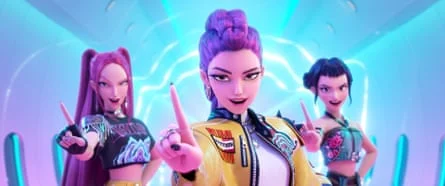
The potential of the stream-to-screen leap was vividly demonstrated by Netflix’s animated musical adventure, KPop Demon Hunters. After its initial release on the platform in June of the previous year, special singalong versions of the film were given limited theatrical runs in August and again during the Halloween season. These cinematic showings proved to be a significant success, not only contributing to a boost in streaming viewership but also earning over $24 million (£18 million) at the box office. Furthermore, the theatrical release played a role in the film securing two Academy Awards: Best Animated Feature and Best Original Song.

The success of KPop Demon Hunters has reinforced Netflix’s belief in its streaming-first strategy. Co-CEO Ted Sarandos commented on the film’s breakout performance during a Netflix event, stating, "We believe that this film, KPop Demon Hunters, actually worked because it was released on Netflix first," attributing its success in part to the platform’s sophisticated recommendation engine. This success has paved the way for a planned sequel, confirming Netflix’s commitment to leveraging popular content across multiple formats.
Navigating the Blurring Lines: Strategy and Fan Reception
While the KPop Demon Hunters sequel is slated to debut on Netflix first, the Peaky Blinders: The Immortal Man film’s initial theatrical release indicates that there is no rigidly defined rulebook for these ventures. Daniel Loria, SVP of Content Strategy and Editorial Director at The Boxoffice Company, suggests that Netflix is still actively refining its theatrical release strategy. He points out that gaps in the release calendar present strategic opportunities for the company to fill with its own content, stating, "There are so many weekends where there’s really nothing going on," even as the number of film releases has seen an uptick since the pandemic’s lowest point.
The broader implications of this trend are significant for major studios as well. In recent years, these studios have intensified their streaming operations, simultaneously developing their own hit films for wider exploitation across various platforms. A prominent example is The Mandalorian and Grogu, a feature film based on the highly successful Disney+ series The Mandalorian. The series, which concluded its third season, catapulted the character of Grogu, affectionately known as "Baby Yoda," into a global pop culture phenomenon.
Series creator Jon Favreau revealed last year that he had initially scripted a fourth season for The Mandalorian but ultimately pivoted to a new script for the film. This decision aligns with Disney’s overarching strategy to reintroduce Star Wars stories to cinemas, signaling a renewed focus on the theatrical experience for its major franchises.
The Challenge of Balancing Fan Expectations and Broad Appeal
Favreau’s situation highlights a critical challenge faced by creators when adapting episodic television for the feature film format. Ben Woods of MIDiA Research poses a pertinent question: "Do you lean heavily with the theatrical releases into serving dedicated fans who understand all of the story and the background, or do you try to make a stand-alone movie that can attract a general viewer as well as a fan?" Achieving this delicate balance is crucial for the success of these transitional projects.
The mixed reactions to The Immortal Man within the dedicated Peaky Blinders subreddit, which boasts nearly 250,000 members, underscore this challenge. While many fans lauded the film’s production values and performances, a segment expressed reservations regarding the narrative choices, the film’s conclusion, and its suitability for a feature-length format. One user articulated a common sentiment: "If they were going to invest the time and money anyway, why not just make another season and actually give the story room to breathe?" This perspective contrasts with the generally favorable reception from critics and general moviegoers, evidenced by a nearly 90% "fresh" rating on Rotten Tomatoes.
Despite these differing opinions, the fluid boundary between television and cinema suggests that dedicated fans of such franchises need not despair. Netflix has already announced the development of two new seasons of Peaky Blinders, set in the postwar era and introducing a new generation of the Shelby family. This development raises the intriguing question of how long it will be before this revived series also garners its own movie spin-off, further solidifying the interconnectedness of streaming and theatrical releases in the evolving media landscape. The continued exploration of these hybrid release strategies by major players like Netflix and Disney will undoubtedly shape the future of content creation and consumption for years to come.