Following the critically acclaimed yet stylistically distinct Snow in Midsummer, Malaysian filmmaker Chong Keat Aun has pivoted his artistic lens to a more immediate and harrowing social reality with his latest feature, Pavane for an Infant. This powerful cinematic endeavor confronts the deeply entrenched issue of baby abandonment in Malaysia, a crisis underscored by a distressing statistic of approximately 100 reported cases annually. The film serves as a poignant and unflinching examination of the societal pressures that drive desperate women to such extreme measures, offering a profound commentary on the human cost of patriarchal norms, religious conservatism, and systemic vulnerabilities.
The Genesis of a Pressing Narrative
Chong Keat Aun’s decision to tackle the subject of infant abandonment marks a significant shift in his thematic focus. While Snow in Midsummer explored historical trauma and political suppression with a certain artistic distance, Pavane for an Infant plunges directly into a contemporary social malaise, adopting a "down to Earth" approach to illuminate a crisis that often remains hidden in the shadows of society. The film’s title, evoking a mournful dance for a child, immediately sets a somber tone, hinting at the profound tragedy that unfolds within its narrative. This thematic evolution demonstrates Chong’s versatility as a storyteller and his commitment to using cinema as a mirror to reflect critical societal issues.
The alarming rate of baby abandonment in Malaysia is not merely a statistic; it represents a complex web of individual tragedies and systemic failures. These infants, often left in vulnerable locations or at designated baby hatches, become symbols of broader societal ills, including the stigma associated with out-of-wedlock births, economic hardship, and a lack of adequate support for single mothers. Pavane for an Infant bravely brings these often-unseen struggles into the forefront, compelling audiences to confront uncomfortable truths about contemporary Malaysian society.
The Unseen Frontline: A Social Worker’s Ordeal
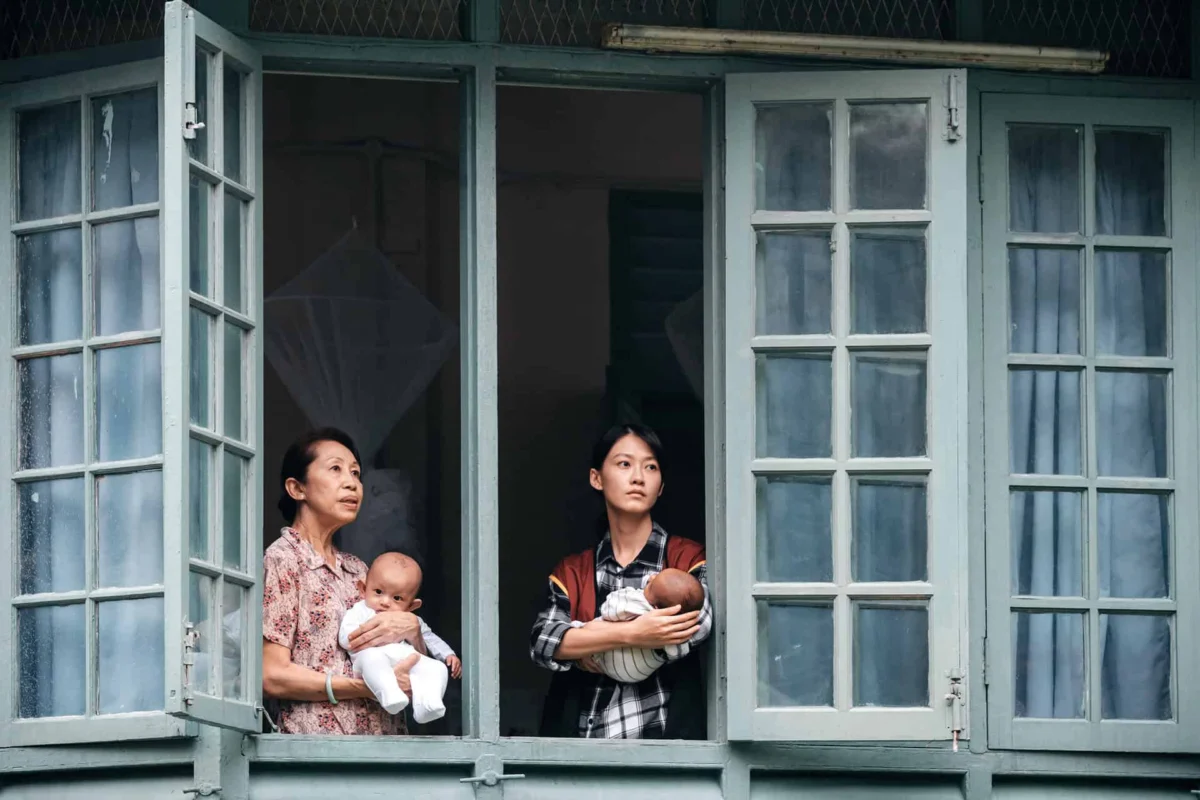
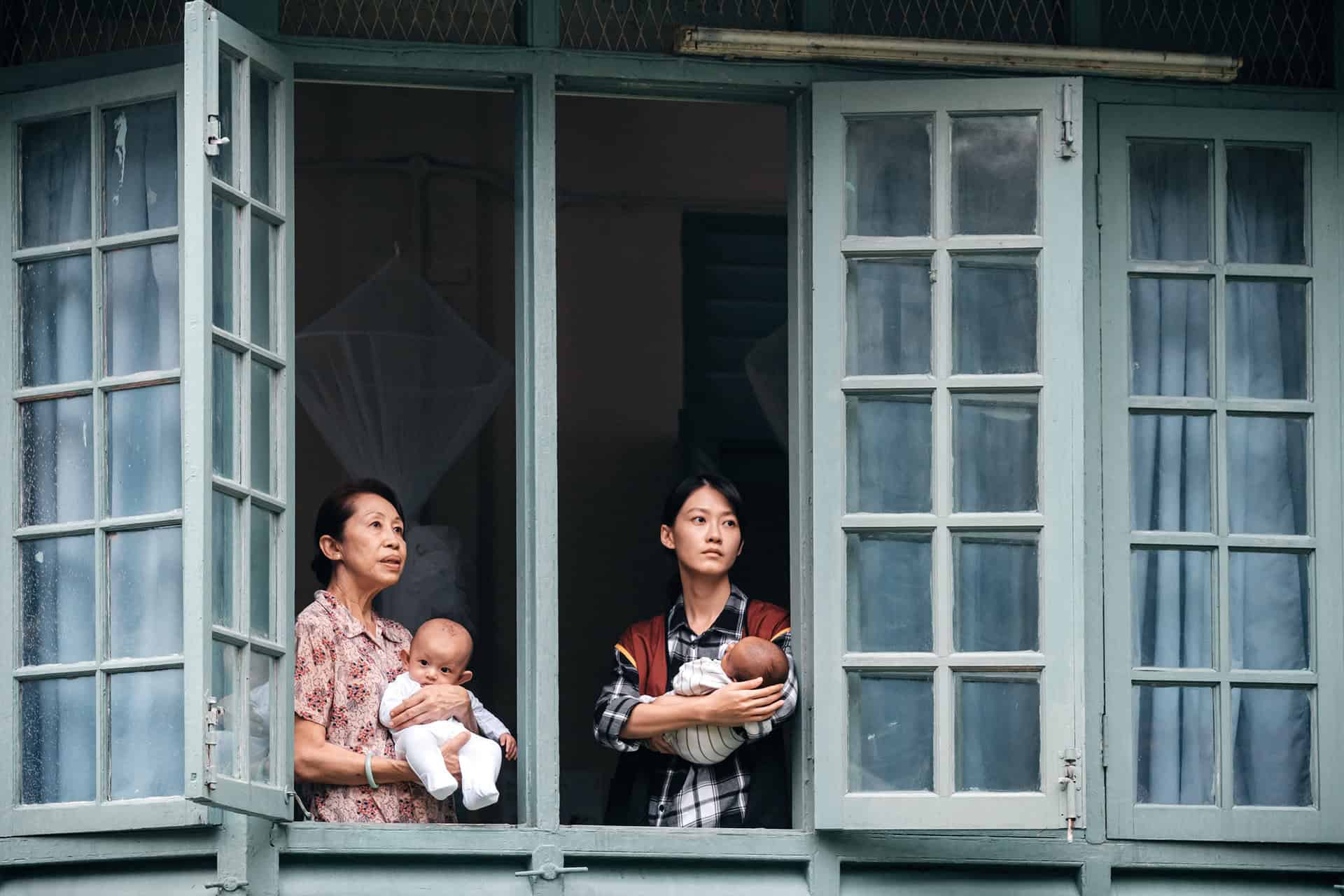
At the heart of Pavane for an Infant is Lai Sum, portrayed by Fish Liew, a dedicated social worker operating within a baby hatch facility. Her character embodies the emotional and psychological toll of working on the frontline of this crisis. Lai Sum’s professional life is consumed by the cases of women forced by unimaginable circumstances to relinquish their newborns. The film meticulously details the varied and often tragic reasons behind these abandonments, frequently pointing to pregnancies resulting from rape or illicit relationships with married men who subsequently disavow responsibility.
Lai Sum’s personal narrative is inextricably linked to her professional commitment. She carries her own unresolved trauma related to the treatment of her own child, an experience that imbues her work with a profound sense of empathy and urgency. This personal backstory not only humanizes her character but also highlights the cyclical nature of suffering and the intergenerational impact of societal pressures on women. Her journey through the film is one of quiet resilience, punctuated by moments of intense emotional vulnerability that resonate deeply with the audience.
The depiction of the baby hatch itself is critical. These facilities, often run by non-governmental organizations (NGOs) such as OrphanCARE in Malaysia, provide a safe and anonymous option for mothers who feel they have no other recourse. They are designed to prevent infanticide and ensure the well-being of abandoned infants, offering a fragile lifeline in a society that can be unforgiving. The film subtly explores the ethical dilemmas and emotional complexities faced by staff like Lai Sum, who must balance compassion with the practicalities of a system designed to manage profound human sorrow.
A Bleak Landscape: Patriarchy, Superstition, and Discrimination
Chong Keat Aun directs Pavane for an Infant with an unflinching gaze, presenting a rather dark and somber portrayal of Malaysia. The film meticulously constructs a societal landscape where deeply entrenched patriarchy, pervasive superstition, intense religious fundamentalism, and systemic racism coalesce to create an environment that is particularly harsh and restrictive for women. As the narrative progresses, revealing various cases of abandonment and the underlying reasons, the film’s social commentary intensifies, becoming progressively more severe and pointed.
The film illustrates how patriarchal structures limit women’s autonomy and agency, often forcing them into impossible situations where their choices are dictated by societal expectations and male dominance. Superstition, depicted through vivid sequences, plays a significant role in shaping beliefs and actions, sometimes leading to harmful practices or exacerbating feelings of guilt and shame. Intense religiousness, while a source of comfort for some, is also shown to contribute to a rigid moral framework that demonizes out-of-wedlock births and unmarried mothers, leaving them ostracized and unsupported. The subtle but palpable presence of racism further complicates this already bleak picture, suggesting that vulnerability is often compounded by ethnic or social marginalization.
The arrival and subsequent story of Siew Man, a younger woman who has experienced a similar plight to the mothers Lai Sum helps, serves to cement these thematic concerns in the harshest possible fashion. Siew Man’s narrative arc becomes a microcosm of the broader issues, illustrating the devastating consequences of these societal forces on individual lives. Her struggle, marked by desperation and a search for solace, forms a crucial emotional anchor for the film, making the abstract societal criticisms feel intensely personal and immediate.
Chronology of a Crisis: Understanding Baby Abandonment in Malaysia
The issue of baby abandonment in Malaysia is not a recent phenomenon but a persistent social challenge with roots in cultural, religious, and socio-economic factors. Historically, the stigma associated with illegitimate births, particularly in conservative societies, has driven pregnant women to extreme measures to conceal their pregnancies and subsequently abandon their newborns.
- Early 2000s: Public awareness of baby abandonment began to grow as media reports highlighted increasing numbers of infants found in public places, often in tragic circumstances. This led to calls for more comprehensive social support systems.
- 2008-2010: The Malaysian government, in collaboration with NGOs, started exploring solutions, leading to discussions about the implementation of "baby hatches."
- 2010: The first official baby hatch in Malaysia was established by OrphanCARE, an NGO dedicated to finding families for abandoned babies. This initiative aimed to provide a safe, anonymous surrender option for mothers, thus reducing infanticide and ensuring the infants’ safety.
- Ongoing Efforts: Since then, several more baby hatches have been established across the country, primarily run by NGOs but often with implicit government support or recognition. Public campaigns have also been launched to raise awareness about safe surrender options and to destigmatize adoption.
- Current Situation: Despite these efforts, the annual number of abandoned babies remains stubbornly high, fluctuating around the 100-mark. This indicates that while baby hatches provide a crucial service, the root causes—such as lack of sex education, inadequate support for single mothers, socio-economic disparities, and cultural stigma—continue to persist and require deeper societal interventions.
Pavane for an Infant situates its narrative within this ongoing chronology, portraying the current reality faced by those at the frontlines of this crisis. It reflects the frustration and exhaustion of social workers like Lai Sum, who witness the continuous cycle of abandonment despite the availability of safe options, underscoring the deep-seated societal issues that compel women to make such heart-wrenching decisions.
Cinematic Brilliance: Visuals, Symbolism, and Pacing
Chong Keat Aun’s directorial prowess is evident not only in his thematic courage but also in his masterful control of cinematic elements. The film is replete with intense and memorable scenes that are designed to linger in the viewer’s mind, making the abstract pain concrete and palpable.
-
Impactful Scenes:
- Lai Sum in the Market: The scene where Lai Sum is treated dismissively or judged in the market, followed by her visceral reaction, powerfully illustrates the societal judgment and ostracization that women, particularly those associated with "taboo" issues like single motherhood or abandoned children, often face. It speaks to the pervasive moral policing within certain communities.
- Bathroom Confession: The intimate scene in the bathroom between Lai Sum and Siew Man is a profound moment of shared vulnerability and nascent friendship. It’s a space where defenses drop, and the raw emotional truths of their experiences are exchanged, solidifying their bond and highlighting the importance of female solidarity in a hostile environment.
- Fortune Telling Sequences: The two fortune-telling sequences are particularly striking, tapping into the deep-seated superstition prevalent in some parts of Malaysian society. These scenes serve as both cultural markers and narrative devices, reflecting the characters’ desperation to understand or alter their fates, even when confronted with seemingly immutable circumstances. They underscore the characters’ psychological states and the external pressures influencing their decisions.
-
Visual Approach: Director of Photography Leung Ming Kai crafts a visually arresting film, largely presented in a subdued, often dark palette. This stylistic choice perfectly resonates with the film’s overall somber atmosphere and thematic bleakness. The strategic use of close-ups, sometimes of seemingly unrelated objects or details, draws the viewer into a state of heightened sensory awareness, mirroring the characters’ internal turmoil. The meticulous implementation of shadows adds significant visual flair, creating a sense of foreboding and claustrophobia that underscores the characters’ entrapment by circumstance and societal judgment.
-
Symbolism: Symbolism, a recurring hallmark in Chong Keat Aun’s filmography, is present once more, though often subtly elusive. The recurring presentation of various rituals, both traditional and personal, speaks to attempts to find meaning, solace, or control in chaotic situations. Perhaps the most indicative and haunting symbol is the repeated image of the timer in the baby hatch. This countdown mechanism, signifying the finite window of anonymity for the mothers and the beginning of a new, uncertain life for the infants, serves as a stark reminder of urgency, fate, and the irreversible nature of the choices made. It encapsulates the film’s central dilemma: the preciousness of life against the harsh realities that compel its abandonment.
-
Editing and Pacing: Emily Leung Man Shan’s editing establishes a predominantly slow pace, which, rather than detracting from the narrative, perfectly complements its meditative and introspective tone. This deliberate pacing allows the audience to fully absorb the emotional weight of each scene and the gravity of the social issues explored. Despite its 117-minute runtime, the film never feels protracted, a testament to the editor’s skill and the richness of the narrative. This is an unusual achievement for an art-house film, where slow pacing can sometimes lead to disengagement. Here, the "lot happening" refers not to fast-moving action, but to the intricate unfolding of human drama and the profound exploration of complex societal themes, keeping the viewer deeply invested.
Glimmers of Hope Amidst the Bleakness
Despite the pervasive bleakness that defines much of Pavane for an Infant, Chong Keat Aun masterfully intersperses "glimmers of hope." These moments are not easily won; they emerge from significant effort and considerable personal cost, reflecting a realistic yet resilient human spirit. This nuanced approach prevents the film from descending into unremitting despair, instead offering a more balanced and ultimately more impactful viewing experience. The faint possibility of redemption, connection, or a better future, even if hard-fought, makes the film more engaging and palatable for audiences, allowing them to process the difficult subject matter without feeling entirely overwhelmed. It suggests that even in the darkest corners of society, empathy and human connection can carve out spaces for light.
Stellar Performances Anchor the Narrative
The emotional core of Pavane for an Infant is powerfully conveyed through its lead performances. Fish Liew delivers an imposing portrayal of Lai Sum, embodying the multifaceted commentary presented in the movie. Her performance is a masterclass in controlled intensity, capable of conveying profound sorrow and quiet strength simultaneously. The scenes where she momentarily loses her composure, allowing her pent-up emotions to surface, are among the highlights of her performance, revealing the immense psychological burden she carries.
Liew’s chemistry with Natalie Hsu, who delivers an equally excellent performance as Siew Man, is one of the film’s strongest assets. Their shared scenes are infused with a genuine sense of connection and understanding, portraying a bond forged in shared pain and mutual support. Hsu’s portrayal of Siew Man captures the vulnerability and desperation of a young woman caught in an impossible situation, making her plight deeply empathetic. Together, their performances elevate the film, transforming a social commentary into a deeply moving human drama.
Broader Impact and Implications
Pavane for an Infant is more than just a film; it is a critical piece of social commentary that demands attention. By meticulously presenting a series of deeply troubling issues tormenting Malaysian society—from the crisis of baby abandonment to the systemic oppression of women—Chong Keat Aun has crafted a cinematic experience that is elaborate on multiple levels.
The film’s impact extends beyond the cinematic realm, serving as a powerful catalyst for public discourse. It forces audiences to confront uncomfortable truths about their society, potentially inspiring greater empathy and understanding for the women and children affected by these issues. Organizations like OrphanCARE, which operate baby hatches and advocate for the rights of abandoned children and their mothers, would likely find the film’s narrative aligning with their daily experiences and advocacy efforts. While the film doesn’t offer easy answers, it effectively highlights the urgent need for societal introspection, policy reform, and increased support systems for vulnerable individuals.
Pavane for an Infant solidifies Chong Keat Aun’s reputation as a filmmaker unafraid to tackle complex and sensitive subjects. His ability to blend poignant drama with incisive social critique, all while maintaining a high level of artistic integrity, positions this film as a significant contribution to Malaysian cinema and a compelling voice in global discussions on human rights and social justice. It is a film that will undoubtedly resonate with audiences, leaving a lasting impression and prompting reflection on the profound human cost of societal neglect.