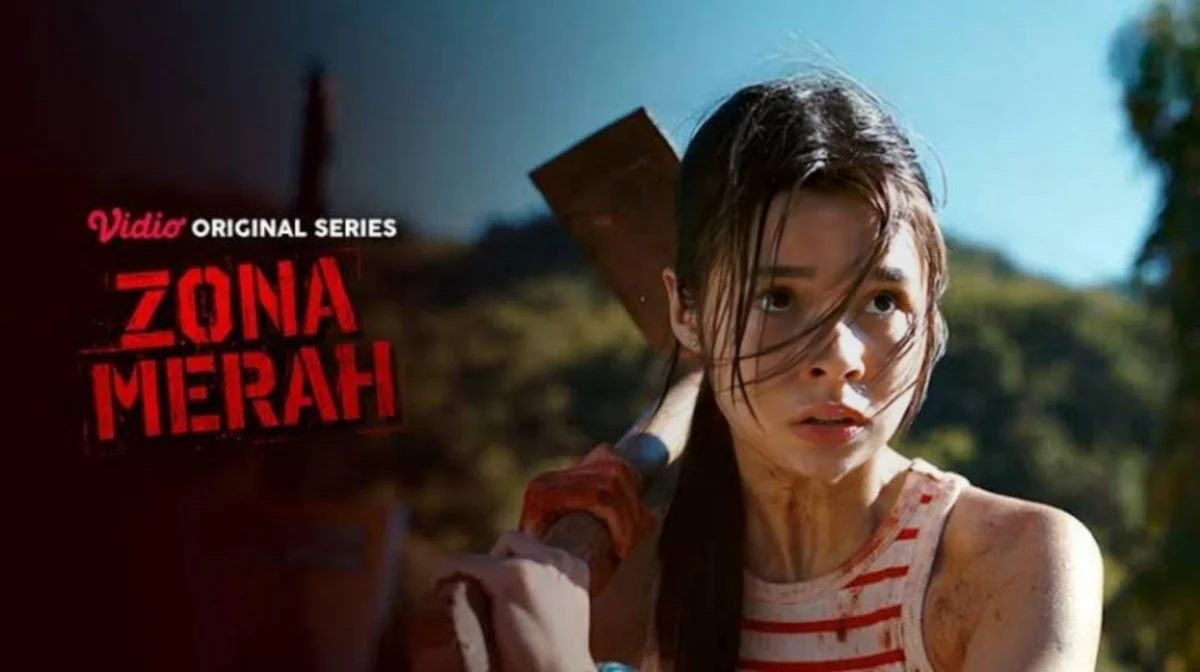
Screenplay Films has officially greenlit a feature film adaptation of the popular Indonesian zombie series Zona Merah, a move that signifies a significant expansion for the franchise and a growing interest in Indonesian genre filmmaking on a global scale. The decision, reported by Variety, comes after the series garnered a strong audience response upon its debut, demonstrating its potential to translate into a larger cinematic experience. This feature film promises to delve deeper into the brutal world established in the series, pushing the boundaries of survival horror with more intricate conflicts and profound character development. The narrative will explore a more unforgiving and darker territory, where the fight for survival against the relentless undead threat becomes an even more desperate and harrowing proposition than what was depicted in the episodic format.
From Series Success to Cinematic Ambition
The success of the Zona Merah series laid the groundwork for this ambitious feature film project. While specific viewership numbers for the series are not publicly available, the decision by Screenplay Films to invest in a full-length movie adaptation strongly suggests a robust and engaged fanbase. This indicates a significant cultural impact within Indonesia and potentially beyond its borders, prompting a strategic move to capitalize on this established audience and introduce the Zona Merah universe to a wider cinematic audience. The series likely tapped into a demand for high-quality, homegrown horror content, and the feature film aims to elevate this by offering a more immersive and intense viewing experience.
The feature film is poised to build upon the narrative foundations of the series, promising to expand the established universe in ways that the episodic format may not have fully allowed. Early indications suggest a focus on escalating stakes and a more visceral exploration of the human condition under extreme duress. This suggests that the filmmakers are not merely rehashing the series’ plot points but are aiming to craft a distinct cinematic narrative that offers new challenges and deeper emotional resonance for both returning fans and newcomers to the Zona Merah saga. The move from television to film is a common trajectory for successful genre properties, allowing for larger budgets, more ambitious visual effects, and a more focused storytelling approach.
A Familiar Yet Expanded Cast
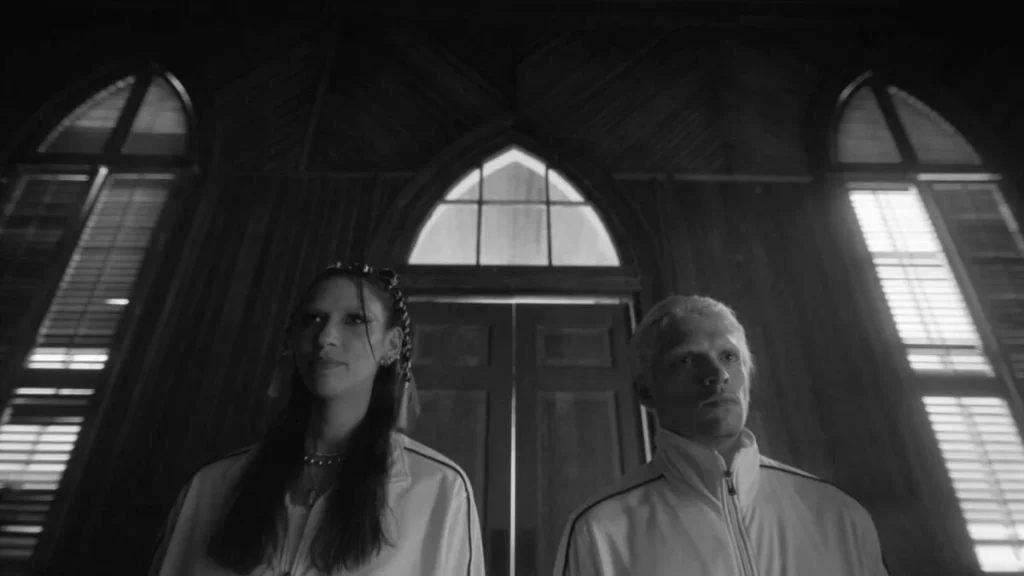
A key element in the film’s anticipated success is the return of several beloved cast members from the original series. Leading the charge are Aghniny Haque and Andri Mashadi, whose performances were central to the series’ appeal. They will be joined by Maria Theodore, Devano, and Lukman Sardi, all reprising their respective roles. This continuity is crucial for maintaining the established character dynamics and providing a sense of familiarity for the existing fanbase. Their reappearance ensures that the core emotional anchors of the Zona Merah narrative remain intact as the story ventures into new territory.
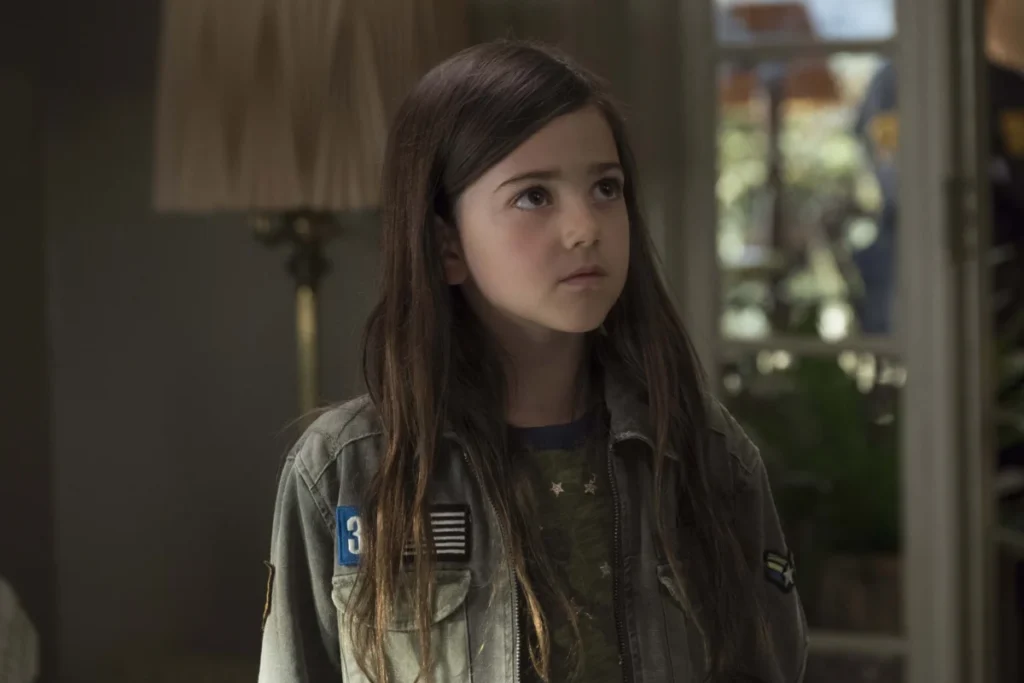
Complementing the returning cast is an impressive slate of new additions, signaling an expansion of the Zona Merah universe. Luna Maya, Bryan Domani, Shindy Huang, Myesha Lin, and Derby Romero are set to embody fresh characters who will undoubtedly inject new energy and complexities into the unfolding zombie apocalypse. The inclusion of these new actors suggests that the film will introduce new perspectives, allegiances, and perhaps even opposing factions within the survivor community, further deepening the intricate conflicts that the feature aims to explore. This blend of familiar faces and new talent is a strategic approach to both retain the existing audience and attract a broader demographic.
Visionary Directorial and Screenwriting Talent
The creative reins of the Zona Merah feature film will be held by the duo of Sidharta Tata and Fajar Martha Santosa, who will co-direct the project. Sidharta Tata will also return as the screenwriter, indicating a strong creative vision continuity from the series. This dual role for Tata as both director and writer is particularly significant, suggesting a deep understanding of the Zona Merah lore and a clear artistic intent for the film’s narrative arc and thematic explorations. Their previous work on the series has clearly resonated with audiences, and their continued involvement is a strong indicator of the film’s potential to deliver a compelling and cohesive cinematic experience.
The co-directing approach by Tata and Santosa hints at a collaborative effort to bring a dynamic and multifaceted vision to the screen. Their combined expertise is expected to translate the gritty realism and intense pacing that likely characterized the series into a visually striking and emotionally impactful film. The decision to have Tata return as screenwriter further solidifies the narrative continuity and suggests that the film will build upon the established character arcs and world-building elements in a meaningful way.
Production Timeline and Anticipation
Production for the Zona Merah feature film is slated to commence in April 2026, with filming scheduled to run through May 2026. The principal photography is set to kick off on April 7, 2026, marking the official start of bringing this cinematic vision to life. This concentrated production window suggests an efficient and focused approach to filmmaking, aiming to deliver a polished product within a defined timeframe. The chosen production period likely aligns with logistical considerations and the availability of the extensive cast and crew.
The anticipation for this film is palpable, particularly among fans of the series and enthusiasts of the zombie horror genre. The trailer, embedded within the original announcement, offers a glimpse into the visual style and tone of the film, hinting at high-octane action sequences, tense survival scenarios, and a focus on the psychological toll of a world overrun by the undead. The trailer’s reception will undoubtedly play a role in further building momentum leading up to the film’s release.
Broader Implications for Indonesian Cinema
The greenlighting of a feature film adaptation of Zona Merah by Screenplay Films is a significant development that extends beyond just the Indonesian film industry. It reflects a growing trend of Indonesian productions gaining international recognition and commercial viability. The success of films like The Raid franchise and more recent horror offerings has paved the way for a broader appreciation of Indonesian cinematic talent and storytelling capabilities. This adaptation can be seen as another step in solidifying Indonesia’s position as a producer of high-quality genre films capable of competing on a global stage.
Furthermore, the expansion of a successful Indonesian series into a feature film format demonstrates a maturing industry capable of nurturing intellectual property from its initial conception through to larger-scale cinematic endeavors. This model can serve as an inspiration and a blueprint for other Indonesian series with strong audience engagement, encouraging further investment and development in homegrown content. The international distribution potential of such a film, especially with the global appeal of the zombie genre, could open new avenues for Indonesian cinema in overseas markets.
The focus on "darker, more unforgiving territory" and "deeper character work" suggests that Screenplay Films is aiming for a film that not only entertains but also offers a thought-provoking exploration of humanity’s resilience and moral compromises in the face of existential threats. This ambitious approach, coupled with a strong cast and experienced creative team, positions the Zona Merah feature film as a potentially significant entry in the contemporary horror landscape, both within Indonesia and internationally. The success of this adaptation could pave the way for more ambitious genre projects from the region, further diversifying global cinema. The narrative’s promise of intricate conflicts and relentless survival scenarios suggests a commitment to delivering a visceral and engaging cinematic experience that will resonate with a wide audience.