The annual Cannes Lions International Festival of Creativity is set to convene amidst a landscape defined by profound uncertainty and unprecedented opportunity for the global marketing business. As industry leaders, innovators, and creative minds descend upon the French Riviera, the central dialogues are poised to revolve around the seismic impact of artificial intelligence, the surging influence of online creators, and the persistent pressures of a volatile global economy. More than 500 speakers spanning the diverse realms of advertising, technology, entertainment, and media are slated to participate, offering insights into navigating these complex currents.
A Convergence of Minds and Media Moguls
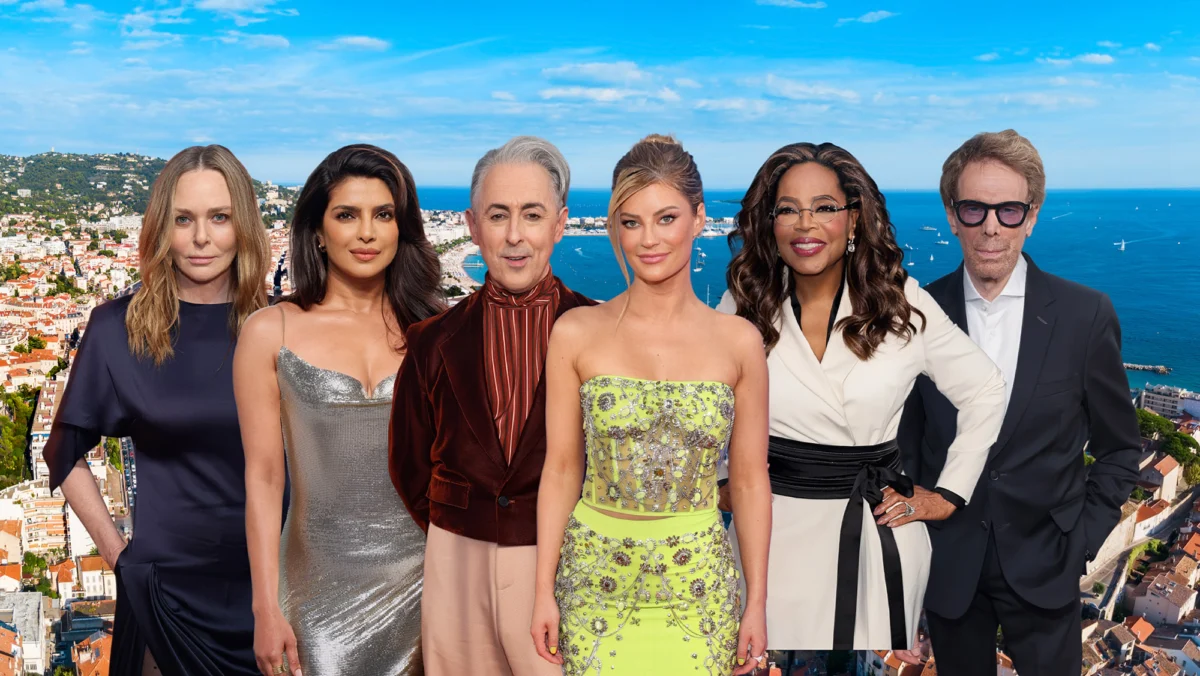
This year’s festival boasts an impressive roster of headline speakers, reflecting the increasingly blurred lines between traditional entertainment and the marketing world. Among the luminaries gracing the stages are legendary uber-producer Jerry Bruckheimer, acclaimed Traitors host Alan Cumming, global Indian star Priyanka Chopra Jonas, actress-creator Hannah Stocking, influential fashion designer Stella McCartney, and the iconic "Queen of All Media," Oprah Winfrey. Winfrey, a figure synonymous with cultural impact and social change, will be honored with the prestigious LionHeart Award, recognizing her decades-long influence across various platforms and her commitment to fostering meaningful discourse.
The executive presence is equally robust, with a strong contingent of C-suite honchos from leading technology and advertising corporations. Notable attendees include Apple senior vice president Eddy Cue, Instagram chief Adam Mosseri, Procter & Gamble chief brand officer Marc Pritchard, and Unilever global marketing officer Leandro Barreto. Their presence underscores the critical strategic importance of creative innovation and brand building in a rapidly evolving digital ecosystem.
The AI Revolution: Enhancer or Disruptor?
Artificial intelligence has transitioned from a theoretical concept to an everyday reality, igniting fervent debates over its role in the future of creative work. The advertising and marketing sectors, in particular, are grappling with the implications of AI’s burgeoning capabilities, from content generation and personalization to data analysis and campaign optimization.
Simon Cook, CEO of Cannes Lions since 2019, articulated a central challenge facing the industry: harnessing AI as "an enhancer for creativity rather than a negative force." This sentiment resonates deeply within a creative community that views human ingenuity as its core asset. The rapid proliferation of AI tools has sparked both excitement over increased efficiency and capacity, and apprehension regarding potential job displacement, the dilution of authentic voice, and ethical considerations surrounding intellectual property and bias.
Cook’s perspective highlights a nuanced approach, emphasizing AI’s potential as a powerful co-creator rather than a replacement for human talent. To underscore this, Cannes Lions has proactively introduced AI Craft subcategories across its craft-led Lions awards. These new categories specifically recognize work where "human creativity and artificial intelligence come together to create ideas that neither could achieve alone." The focus, as Cook notes, remains squarely on "genuine craft, artistry and intent, where AI works in service of the idea." This strategic move by the festival aims to guide the industry toward a collaborative model, encouraging exploration of AI’s capabilities while preserving and elevating human-led artistic vision. The implications for workflow, talent acquisition, and creative output are profound, necessitating a proactive and adaptive stance from agencies and brands alike.
The Ascendancy of the Creator Economy
Simultaneously, the rise of online creators continues to reshape how brands connect with audiences, marking a significant shift in marketing paradigms. The creator economy, valued at an estimated $250 billion in 2023 and projected to reach $480 billion by 2027, has fundamentally altered traditional advertising models. Influencers, content creators, and digital artists now wield immense power in shaping consumer perceptions and driving purchasing decisions, often bypassing conventional media channels entirely.
This evolution presents both immense opportunities and complex challenges for marketers. Brands are increasingly allocating significant portions of their budgets to creator-led campaigns, seeking authenticity, niche audience engagement, and a more direct connection with consumers. However, navigating the creator landscape requires new strategies for identifying suitable partners, ensuring brand safety, measuring return on investment (ROI), and maintaining transparency. The shift demands a departure from one-way communication to a more collaborative, community-driven approach, where brands engage in dialogues rather than simply broadcasting messages.
Navigating Economic Headwinds and Industry Evolution
The current iteration of Cannes Lions unfolds against a backdrop of intensified economic uncertainty and global instability. Since Cook assumed leadership in 2019, the creative industry has weathered the unprecedented disruption of a global pandemic, which paradoxically accelerated digital transformation plans and fostered significant innovation. However, the subsequent years have brought new challenges: inflation, supply chain disruptions, geopolitical tensions, and the looming specter of recession.
These macroeconomic factors have placed increased scrutiny on creative investment returns, compelling Chief Marketing Officers (CMOs) to justify every dollar spent with demonstrable impact. Cook observes that the industry is "grappling with disruption to its ecosystem, economic uncertainty and global instability, which has created intensified focus on creative investment returns." This environment demands not only groundbreaking creativity but also robust measurement and strategic agility. CMOs are tasked with the dual challenge of delivering immediate, measurable results while simultaneously building enduring brands in an increasingly fragmented and attention-scarce world. The pressure to innovate under tight budgetary constraints and heightened accountability is a recurring theme among industry leaders.
The Peril of Mediocrity and the Allure of the New
Amidst the rapid technological advancements, Cook voices a critical concern: the prevailing "world defined by mediocrity at scale, and the acceleration of sameness." He warns that as AI tools become more sophisticated, enabling highly personalized and targeted messaging, there is a tangible risk of "diluting distinctiveness, meaning, emotional relevance and stories that cut through." This observation speaks to a broader industry anxiety that efficiency and data-driven personalization, if not carefully managed, could inadvertently stifle the very human creativity that gives brands their unique voice and resonance. The challenge lies in leveraging technology to enhance reach and relevance without sacrificing the emotional depth and originality that captivates audiences.
Another preoccupation for Cook, and indeed for many in the industry, is the "preoccupation with the new." He describes the creative sector as a "transient, trend-specific industry" prone to fixating on "the shiny new thing rather than the fundamentals that have served us for many years." While embracing innovation is crucial, Cook stresses the importance of striking a balance: "embracing the new and fusing it with practices and principles which still underpin the effectiveness of our craft." This philosophical stance advocates for a grounded approach, where foundational principles of storytelling, brand building, and human connection remain paramount, even as new tools and platforms emerge. The risk of chasing fleeting trends without a solid strategic anchor can lead to wasted investment and diminished brand equity.
Oprah Winfrey: A Beacon of Enduring Influence
The decision to bestow the LionHeart Award upon Oprah Winfrey serves as a powerful testament to the enduring values that Cannes Lions seeks to champion. Her career, spanning decades across television, publishing, and digital media, exemplifies the profound impact of authentic communication, social responsibility, and empathetic storytelling. Winfrey’s ability to connect with diverse audiences, foster meaningful dialogue, and drive cultural shifts through her platforms aligns perfectly with the festival’s broader mission to celebrate creativity that truly moves people and shapes society. Her influence extends beyond mere entertainment, demonstrating how media can be a powerful force for good, inspiring individual growth and collective change. Her receipt of the award underscores the festival’s recognition that true creative leadership transcends advertising campaigns and extends to individuals who leave an indelible mark on global culture.
The Future of Talent: A Source of Optimism
Despite the myriad challenges and uncertainties, Simon Cook expresses profound excitement about "the opportunity for new talent to shape and evolve the future of our industry." He highlights the significance of meeting Young Lions, students, and the next generation of leaders attending the Cannes Lions School. This focus on nurturing emerging talent reflects a strategic understanding that the industry’s future vitality depends on fresh perspectives, innovative thinking, and a willingness to challenge existing paradigms. Investing in education, mentorship, and opportunities for young professionals is critical for ensuring a continuous pipeline of creative excellence and leadership capable of navigating the complex, rapidly changing landscape ahead. The energy and idealism of new entrants are seen as essential catalysts for continued innovation and adaptation.
Conclusion: A Crossroads of Creativity and Commerce
As Cannes Lions unfolds, it serves as a crucial barometer for the global marketing and creative industries. The convergence of AI’s transformative power, the creator economy’s disruptive influence, and the persistent pressures of economic volatility presents a complex but exhilarating challenge. The discussions, debates, and award-winning campaigns showcased at the festival will not only reflect the current state of the industry but also help chart its future course. The underlying message from leaders like Simon Cook is clear: success in this new era will hinge on a delicate balance—embracing technological advancement while safeguarding human creativity, adapting to new platforms while upholding fundamental marketing principles, and delivering measurable results while inspiring genuine emotional connection. The festival represents a vital forum for navigating these crossroads, fostering collaboration, and defining what it means to be creative and effective in a world undergoing unprecedented change.