Assembling a definitive Top 10 list of the greatest superhero movies of all time is akin to attempting to quantify artistic impact and emotional resonance within a rigid, numerical framework. The very essence of the superhero genre, which has exploded in cinematic prevalence over the past two decades, defies such simplistic categorization. These films are no longer confined to a single mold; they encompass sprawling crime sagas, heartwarming family comedies, incisive cultural and political allegories, visually stunning pop-art fever dreams, and even operatic tales of apocalyptic stakes. The diversity of these narratives, coupled with the subjective nature of emotional connection and the sheer volume of influential works, renders any attempt at a clear hierarchy a formidable, perhaps even futile, endeavor.
The question arises: what criteria should guide such a ranking? Should we prioritize the most technically accomplished films, those that pushed the boundaries of filmmaking innovation? Or should the measure be based on cultural significance, the movies that fundamentally altered the landscape of cinema and audience expectations? Perhaps the most potent metric lies in the films that elicit the most profound emotional responses, leaving an indelible mark on viewers.
Consider the spectrum of potential candidates. On one end, there are films that resonate deeply with the core fandom, igniting collective joy and nostalgia. Spider-Man: No Way Home, for instance, tapped into decades of Spider-Man lore, delivering a powerful emotional payoff for long-time fans, evidenced by its remarkable $1.92 billion global box office gross, making it one of the highest-grossing films of all time. On the other end of the spectrum, a film like Christopher Nolan’s The Dark Knight achieved a rare feat: critical acclaim and commercial success that transcended the genre’s typical audience, appealing even to those who might not typically engage with superhero narratives. Its $534 million worldwide gross and its enduring status as a benchmark for cinematic excellence speak to its broad appeal.
The emergence of more unconventional entries further complicates the ranking. Matt Reeves’ The Batman, with its brooding, neo-noir aesthetic and deliberate pacing, challenged conventional superhero movie sensibilities. While critically lauded for its distinctive vision, its less action-centric approach might position it differently on a purely visceral ranking compared to more bombastic blockbusters. Similarly, Patty Jenkins’ Wonder Woman was a triumph of optimistic storytelling and a powerful feminist statement, achieving over $821 million globally. However, its place in a definitive list might be scrutinized by some in light of the subsequent performance of the DC Extended Universe (DCEU), raising questions about the longevity of its impact independent of its shared universe context.
The Unseen Architects: Influence and Innovation
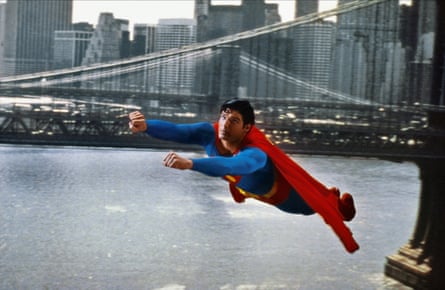
Beyond the immediate emotional impact, the long-term influence of certain superhero films cannot be overstated. Richard Donner’s 1978 Superman stands as a foundational pillar. It did more than simply prove a man could fly on screen; it demonstrated to Hollywood and global audiences that these fantastical characters could be translated into compelling, bankable cinematic experiences. This film’s success laid the groundwork for the modern blockbuster, establishing a paradigm that would dominate filmmaking for decades. Its production, at a time when special effects were considerably more rudimentary, was a testament to ambitious filmmaking, and its cultural impact was immense, solidifying Superman as an enduring icon.
More recently, Marvel Studios’ Iron Man (2008) deserves significant credit not only for launching the Marvel Cinematic Universe (MCU) – a franchise that would redefine cinematic world-building and achieve unprecedented commercial success, grossing over $29 billion worldwide to date – but also for fundamentally altering the grammar of the modern blockbuster. Its witty dialogue, charismatic lead performance, and seamless integration of humor and action set a new standard for superhero filmmaking, influencing countless subsequent productions across various genres.
Echoes of the Human Condition: Catharsis and Vulnerability
While superhero cinema is often associated with fantasies of invincibility, some of its most profound achievements lie in its exploration of vulnerability and the human condition. James Mangold’s Logan (2017) offers a poignant example. This film, a gritty, mournful, and unsentimental take on the Wolverine character, felt more like a superhero western than a typical comic book adaptation. Its critical and commercial success, with a worldwide gross of over $619 million, was a testament to its mature themes. Logan dared to ask what happens when a mythic figure grapples with mortality and the weariness of endless conflict. In a genre often built on the idea of indestructible heroes, Logan found its greatness in the opposite impulse, transforming Hugh Jackman’s iconic Wolverine into a grizzled, broken relic, making it one of the most emotionally resonant entries in the genre.

The Spectacle of Shared Experience: Event Status and Collective Anticipation
In the contemporary cinematic landscape, the "event status" of a film has become an undeniable factor in its perceived greatness. Superhero blockbusters have become masters of this phenomenon, where the audience’s collective reaction can feel as integral to the experience as the on-screen narrative. Nowhere was this more evident than in Avengers: Endgame (2019). Its opening weekend transformed movie theaters into sites of communal catharsis, with audiences erupting in cheers, gasps, and applause. The film, which concluded a multi-year, 22-film saga, grossed over $2.79 billion worldwide, becoming the second-highest-grossing film of all time. While a purely analytical critique might point to its reliance on extensive prior viewing, its ability to harness collective anticipation into a singular, almost sacred, cinematic moment is a powerful testament to its cultural impact and its place in the annals of popular entertainment.
A Symphony of Sight and Sound: Visual Innovation and Artistic Expression
Certain superhero films transcend traditional genre boundaries through sheer artistic innovation and visual splendor. Spider-Man: Into the Spider-Verse (2018) is a prime example of such a groundbreaking achievement. This Academy Award-winning animated film was a visual revelation, a vibrant explosion of comic book aesthetics brought to life with unparalleled creativity. Its unique art style, blending traditional animation with comic book paneling and cutting-edge CGI, created a sensory overload that was both exhilarating and deeply affecting. The film’s success, earning over $384 million globally, demonstrated that animation could be a powerful medium for sophisticated storytelling and groundbreaking visual artistry within the superhero genre. It offered a palpable reminder that cinema, even within established genres, can still surprise and astound.
The Cultural Mirror: Representation and Societal Dialogue
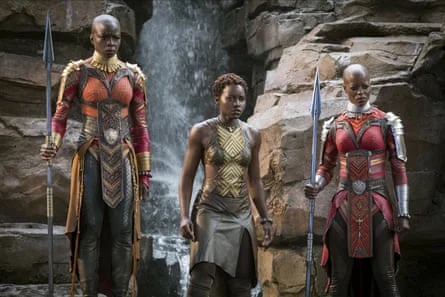
Perhaps one of the most significant contributions of modern superhero cinema has been its capacity to reflect and shape cultural conversations. Black Panther (2018) was a watershed moment, a revelation that resonated far beyond the typical superhero audience. Directed by Ryan Coogler, the film achieved critical acclaim and phenomenal box office success, grossing over $1.34 billion worldwide. It not only challenged the prevailing notion of who superhero fantasies "belonged to" but also sparked a crucial dialogue about race, identity, heritage, and the very notion of the mainstream imaginative center. By presenting a richly imagined African nation with complex political and social themes, Black Panther proved that blockbuster cinema could be both entertaining and deeply meaningful, prompting a more nuanced understanding of representation in popular culture and inspiring audiences globally.
The Unsung Heroes: Cult Favorites and Franchise Starters
While this discussion has touched upon many of the genre’s titans, it’s important to acknowledge films that, while perhaps not reaching the same stratospheric commercial heights, have left an indelible mark. Alex Garland’s Dredd (2012), despite its modest box office performance, has garnered a fervent cult following for its brutal, efficient action and stark vision. Similarly, Guillermo del Toro’s Hellboy II: The Golden Army (2008) is celebrated for its imaginative creature design and del Toro’s signature blend of dark fantasy and heartfelt character work, both of which deserved to be the foundation for more extensive franchises. These films, while outliers, demonstrate the genre’s capacity for diverse storytelling and unique artistic visions.
The Definitive Ranking
After careful consideration of artistic merit, cultural impact, influence, emotional resonance, and audience reception, the following represents a considered ranking of the greatest superhero films to date:
1. The Dark Knight (2008)
A masterclass in filmmaking, The Dark Knight transcended the superhero genre to become a critically acclaimed crime drama. Heath Ledger’s posthumous Oscar-winning performance as the Joker remains one of cinema’s most iconic portrayals of villainy, and Christopher Nolan’s grounded, intelligent direction delivered a compelling narrative that explored complex themes of chaos, order, and sacrifice. Its $534 million global gross and enduring critical consensus solidify its position at the pinnacle.
2. Spider-Man: Into the Spider-Verse (2018)
A visual and narrative triumph, this animated masterpiece redefined what was possible in superhero storytelling. Its groundbreaking animation style, coupled with a heartfelt story and a diverse cast of characters, made it a critical and commercial success, earning over $384 million worldwide and an Academy Award for Best Animated Feature. It proved that the genre could be a canvas for extraordinary artistic expression.
3. Superman (1978)
The film that proved a man could fly and captivated the world. Richard Donner’s Superman established the blueprint for the modern superhero film, blending earnest heroism with groundbreaking special effects for its time. Its cultural impact is immeasurable, cementing Superman as an enduring icon and paving the way for decades of cinematic adaptations.
4. The Incredibles (2004)
Pixar’s brilliant foray into the superhero realm is a timeless classic that resonates with audiences of all ages. Its witty screenplay, relatable characters, and exploration of domesticity within a superhero context make it a standout. Its $633 million global box office success highlights its broad appeal and enduring popularity.
5. Spider-Man 2 (2004)
Often cited as one of the best superhero sequels ever made, Spider-Man 2 deepened Peter Parker’s character arc and delivered a compelling villain in Doctor Octopus. Its emotional depth and well-executed action sequences earned it critical acclaim and over $373 million worldwide.
6. Dredd (2012)
A lean, mean, and stylishly brutal slice of sci-fi action, Dredd is a cult favorite that stands out for its unflinching portrayal of its dystopian world and its no-nonsense hero. Its critical reappraisal and dedicated fanbase speak to its effectiveness as a unique take on comic book adaptation, even if its initial box office was modest.
7. Spider-Man: No Way Home (2021)
This film was a monumental event for fans, expertly weaving together multiple Spider-Man timelines and delivering an emotionally charged narrative. Its unprecedented commercial success, grossing over $1.92 billion globally, underscores its profound connection with the audience and its ability to tap into deep-seated nostalgia and fan desire.
8. Avengers: Endgame (2019)
The culmination of over a decade of interconnected storytelling, Avengers: Endgame was a cinematic event of unparalleled scale. It delivered a satisfying conclusion to a sprawling saga, eliciting powerful emotional responses from a global audience and grossing over $2.79 billion worldwide, making it the second-highest-grossing film in history.
9. Spider-Man (2002)
Sam Raimi’s original Spider-Man revitalized the superhero genre in the early 2000s, introducing a generation to a charismatic and relatable Peter Parker. Its blend of humor, heart, and thrilling action, coupled with a $827 million global gross, made it a landmark film for Marvel.
10. Logan (2017)
A powerful and mature exploration of aging, mortality, and regret, Logan offered a starkly different, yet profoundly impactful, superhero experience. Its critical acclaim and $619 million worldwide gross demonstrated the genre’s capacity for somber, character-driven narratives that resonate deeply with audiences seeking more than just spectacle.
This list, while comprehensive, is a snapshot in time. The superhero genre continues to evolve, with new contenders constantly emerging, challenging our perceptions and expanding the very definition of what a superhero film can be. The ongoing dialogue surrounding these cinematic titans underscores their enduring power and their significant contribution to the cultural landscape.