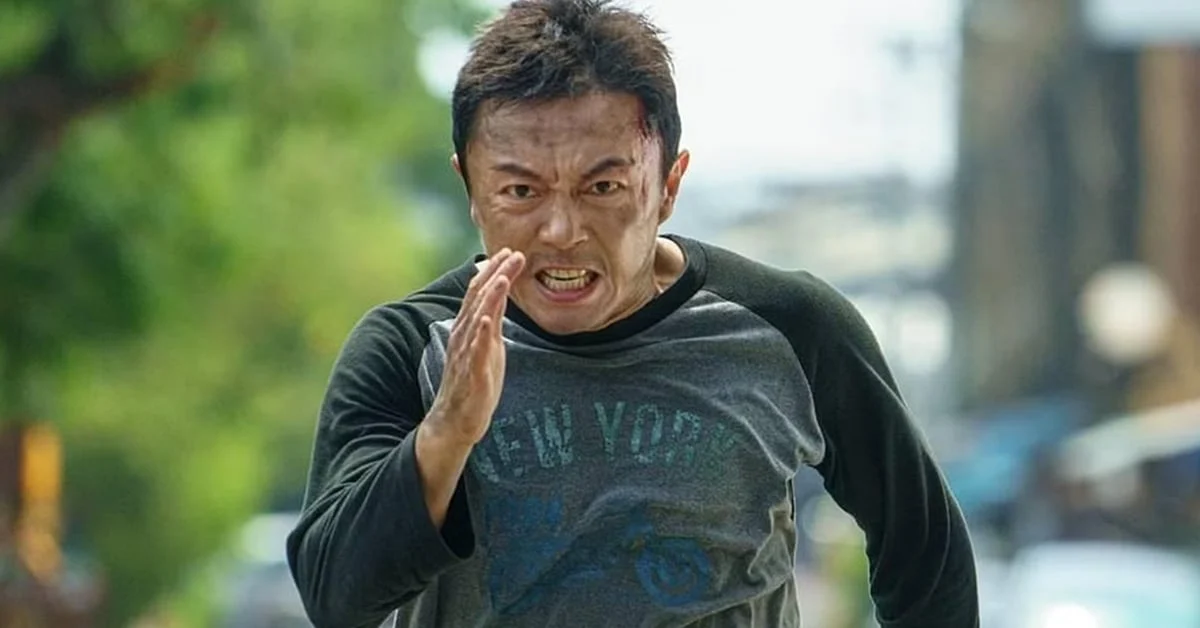
Lionsgate has announced a strategic shift in the theatrical release of its highly anticipated ultra-violent action epic, The Furious. The film, originally slated for a May 29th debut, will now make its cinematic debut on June 12th. This adjustment marks a two-week postponement for a film that has already generated significant buzz within the action film community, with early screenings reportedly eliciting comparisons to seminal martial arts classics such as The Raid.
Industry Context and Release Schedule Dynamics
The decision to delay The Furious by two weeks places it in a different competitive landscape. The original May 29th release would have positioned it against other major studio offerings and potentially seen it vying for audience attention in a crowded late-spring release window. The new June 12th date, while still within the bustling summer movie season, may offer a more focused opportunity to capture the attention of dedicated action film enthusiasts. Industry analysts suggest that such strategic date shifts are common, especially for films relying on word-of-mouth and a strong genre following, allowing studios to optimize marketing efforts and capitalize on less congested release periods.
A Father’s Vengeance: Plot Synopsis and Thematic Core
At its narrative core, The Furious presents a stark and universally resonant premise: the abduction of a young child and the subsequent descent of a father into a relentless pursuit of justice. The official synopsis details the harrowing ordeal of Wang Wei, whose young daughter is kidnapped by a ruthless criminal syndicate. His pleas for assistance from local authorities are met with obstruction and indifference, forcing him to abandon conventional channels and embark on a perilous, self-directed mission of rescue.
The narrative takes a significant turn when Wang Wei forms an unlikely alliance with Navin, a journalist actively investigating his own missing wife. This partnership propels the two men into the dangerous underbelly of a criminal network, where they unleash a brutal campaign of martial arts combat fueled by a potent blend of vengeance and desperation. The film’s thematic emphasis on paternal rage and the lengths to which a parent will go to protect their child is expected to resonate deeply with audiences, tapping into primal emotions that have long been a staple of compelling action narratives.
Production Background and Creative Team
The Furious is directed by Kenji Tanigaki, a filmmaker with a notable pedigree in the action genre, having previously helmed projects that showcased dynamic fight choreography and intense sequences. The screenplay is credited to Mak Tin Shu, Lei Zhilong, Shum Kwan Sin, and Frank Hui, suggesting a collaborative writing process that likely aimed to refine and enhance the narrative’s impact. The film is based on a character originally conceived by David Morrell, the acclaimed author known for his contributions to the thriller and action genres, notably the creation of John Rambo. This foundational character work, combined with the creative team’s expertise, suggests a strong potential for a character-driven action experience.
The film’s production is overseen by producers Bill Kong, Shan Tam, and Frank Hui. Kong, in particular, has a distinguished track record in Chinese cinema, known for bringing ambitious and visually striking films to international audiences. This production oversight is crucial in ensuring that the film’s vision is realized with the highest standards of execution, particularly in the demanding realm of action filmmaking.
Cast and Performances
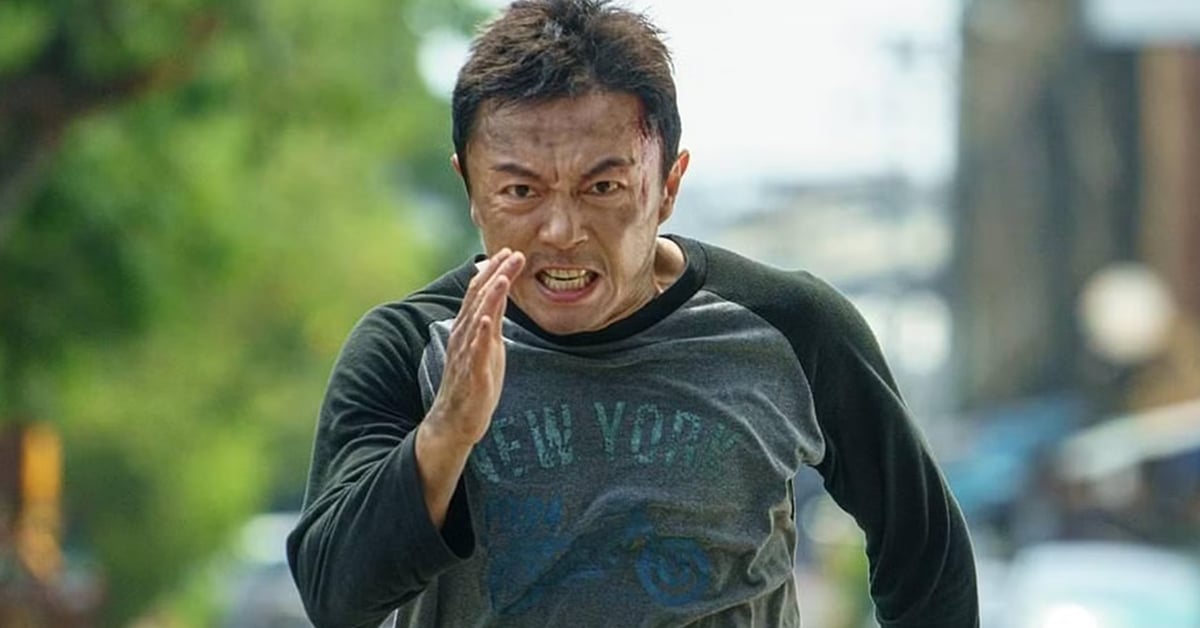
The film features a compelling cast, headlined by Xie Miao in the pivotal role of Wang Wei. Miao has established himself as a formidable presence in martial arts cinema, and his casting as the driven father is expected to lend significant authenticity and physical prowess to the character. He is joined by Joe Taslim, a popular actor and martial artist who has gained international recognition for his roles in films like The Raid: Redemption and The Night Comes for Us. Taslim’s inclusion further bolsters the film’s action credentials, promising electrifying on-screen chemistry and combat sequences.
The supporting cast includes Yang Enyou, Brian Le, and Joey Iwanaga, each contributing to the ensemble’s depth and the film’s overall impact. The combination of established martial arts talent and promising new faces suggests a cast capable of delivering both nuanced performances and visceral action.
Rating and Content Advisory
The Furious has been officially rated R by the Motion Picture Association (MPA) for "strong bloody violence and language." This rating is indicative of the film’s commitment to delivering an uncompromised and intense viewing experience. The explicit mention of "strong bloody violence" signals that the film is not shying away from graphic depictions, aligning with its "ultra-violent action epic" classification. The inclusion of "language" suggests that the dialogue will also reflect the heightened emotions and gritty reality of the narrative. This mature rating is typical for films aiming for a visceral and impactful portrayal of conflict and vengeance, signaling to audiences that the film intends to push boundaries within the genre.
Marketing and Audience Engagement
The trailer for The Furious, available on platforms like YouTube, offers a glimpse into the film’s visual style and action choreography. The trailer highlights intense fight sequences, showcasing the martial arts expertise of the cast and the directorial vision of Kenji Tanigaki. The official trailer, released to build anticipation, features prominently Xie Miao and Joe Taslim, emphasizing their central roles and the high-octane nature of their characters’ journey. The visual language of the trailer suggests a film that prioritizes kinetic energy and impactful combat, aiming to attract a global audience of action film aficionados. The inclusion of a trailer is a critical component of film marketing, providing potential viewers with a tangible preview of the cinematic experience and generating excitement prior to the release.
Broader Implications and Genre Significance
The delay of The Furious might be viewed within the broader context of the action film market. In recent years, there has been a resurgence of interest in practical stunt work and expertly choreographed martial arts sequences, with films like John Wick and The Raid series setting new benchmarks. The Furious, by drawing comparisons to these acclaimed titles, signals an ambition to contribute to this evolving landscape of action cinema.
The film’s success, both critically and commercially, could have implications for the types of action films that studios choose to greenlight in the future. A strong performance from The Furious could encourage further investment in martial arts-focused narratives and provide a platform for international talent. Conversely, a lukewarm reception might lead to a more cautious approach from studios. The film’s ability to balance its visceral action with a compelling narrative and character development will be crucial in determining its lasting impact on the genre.
Conclusion: Anticipation for a Visceral Experience
Despite the slight delay, anticipation for The Furious remains high. The film promises a potent blend of intense action, a raw emotional core, and a skilled creative team. The shift in release date, while a minor setback, may ultimately prove beneficial by allowing Lionsgate to strategically position the film for maximum impact. Audiences seeking a no-holds-barred cinematic experience, steeped in the tradition of high-impact martial arts storytelling, will be eagerly awaiting the June 12th release of The Furious. The film’s commitment to its R rating and its clear narrative drive suggest a project that is unafraid to explore the darker, more visceral aspects of its premise, aiming to leave a lasting impression on the action film landscape.