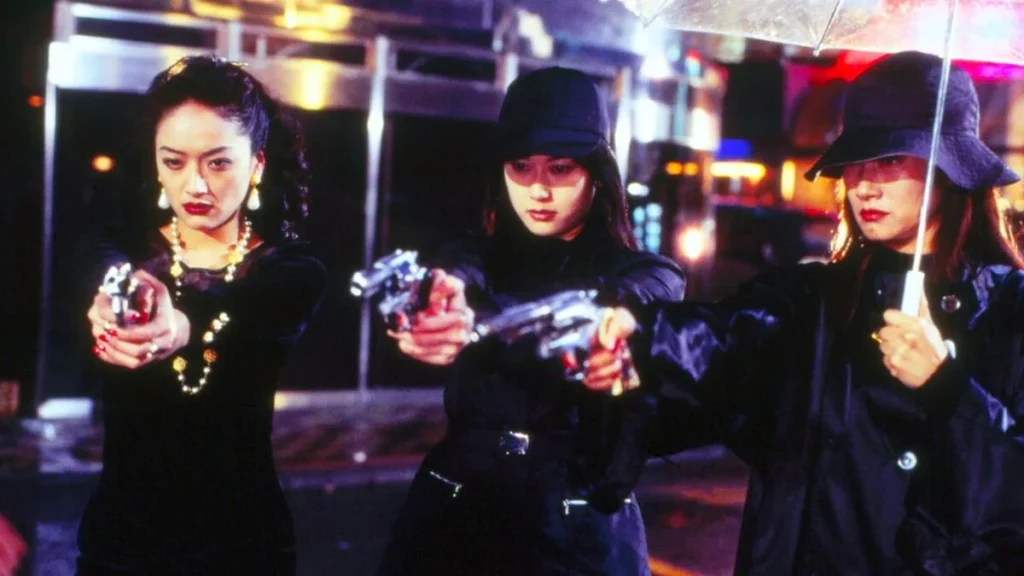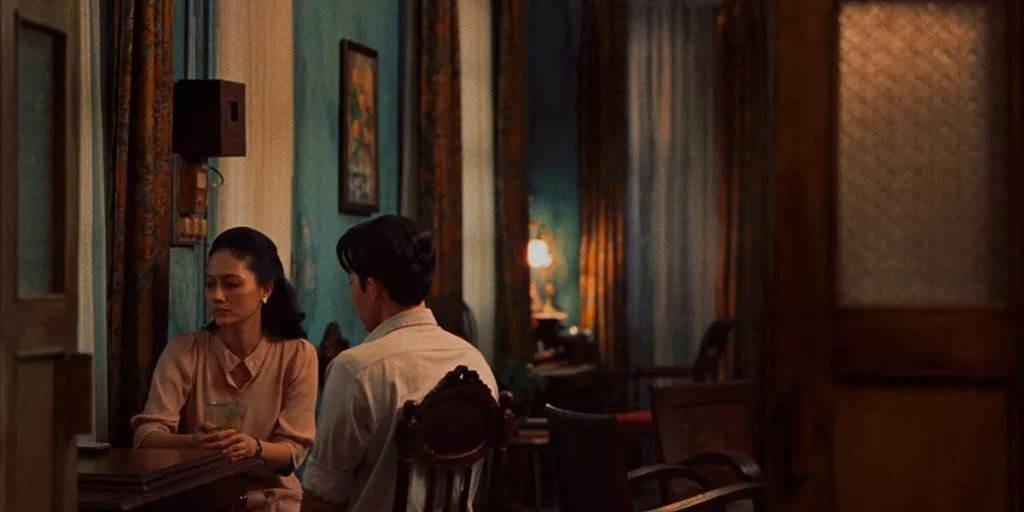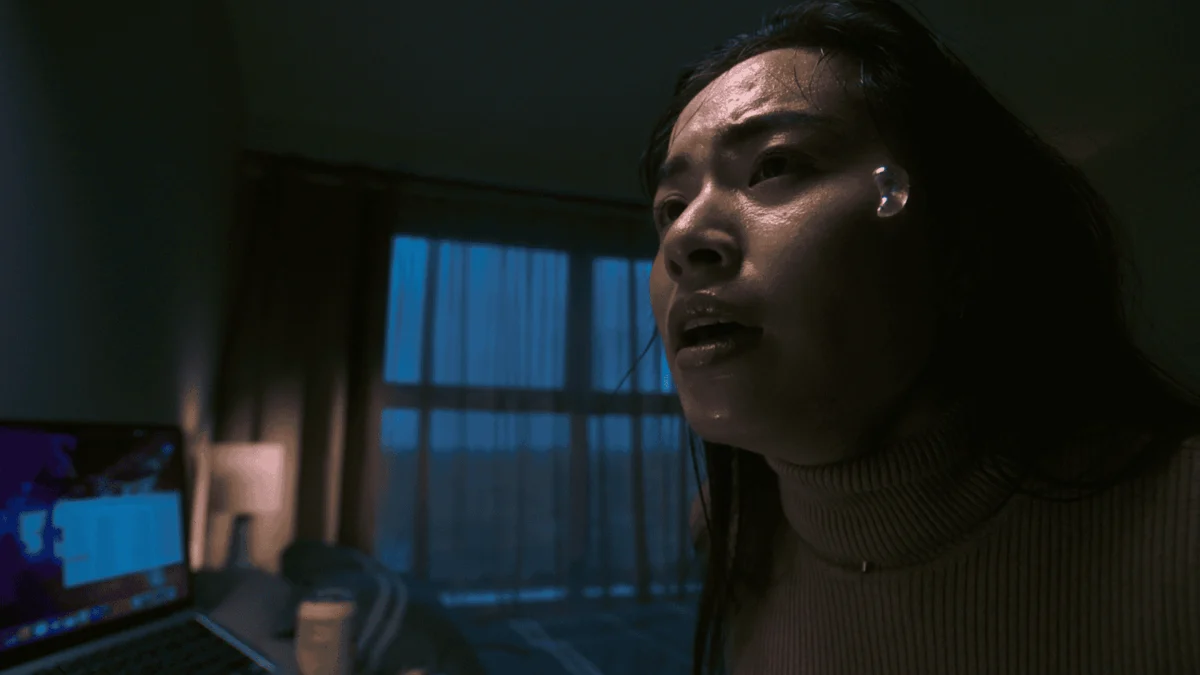
The cinematic landscape often seeks narratives that not only entertain but also provoke thought and reflect contemporary societal issues. In this context, Yeung Xiang Yu’s directorial debut, "Reclaiming Dragons," emerges as a significant short film that skillfully merges the speculative with the deeply personal. Premiering at the highly anticipated CinemAsia 2026, the film positions itself at the intersection of cutting-edge science fiction and poignant social commentary, offering a fresh perspective on the immigrant experience in modern Europe. Yeung, a Rotterdam-based screenwriter and director, has already established a reputation for crafting narratives that anchor fantastical concepts in plausible technical realities, using these frameworks to explore complex human concerns. "Reclaiming Dragons" is a testament to this unique artistic vision, promising an exploration of identity, belonging, and the allure of digital escape in an increasingly disconnected world.
The Genesis of a Vision: Yeung Xiang Yu’s Directorial Approach
Yeung Xiang Yu’s foray into directing with "Reclaiming Dragons" is a natural progression for an artist whose screenwriting has consistently demonstrated a keen eye for detail and a profound understanding of human psychology. Her work ethos, centered on "science fiction grounded in technical reality," suggests a meticulous approach to world-building, where even the most fantastical elements possess a logical internal consistency. This commitment to realism within the speculative genre allows her to create immersive environments that resonate with audiences, making the exploration of "deeply human concerns" all the more impactful. For "Reclaiming Dragons," this manifests in a narrative that juxtaposes a hyper-real virtual world with the stark, often isolating, reality of its protagonist. This dualistic approach is not merely a stylistic choice but a fundamental aspect of the film’s thematic core, enabling a nuanced examination of how individuals navigate disaffection and seek solace in alternative realities. Her emergence as a director signals a promising voice in European cinema, particularly within the sci-fi genre, which often grapples with complex social themes.
A Tale of Two Realities: Ami’s Journey of Disconnection and Escape
The narrative of "Reclaiming Dragons" is ingeniously structured around the life of Ami, a young woman whose existence is sharply divided between two vastly different realms. Her mundane reality is painted with the drab hues of a sterile Rotterdam office, where she is employed in the uninspiring task of processing shipping invoices. This professional drudgery is a potent symbol of her unfulfilling life, devoid of personal agency and emotional vibrancy. The film immediately establishes Ami’s profound sense of "emotional and cultural disconnection" through a phone call with her mother, conducted in Chinese. This linguistic and cultural barrier underscores a generational chasm and a pervasive feeling of not belonging, even within her own family unit. The sterile office environment, characteristic of many urban European settings, further emphasizes her isolation, presenting a stark visual contrast to the vibrant world she seeks refuge in.
In stark opposition to this bleak reality lies Ami’s virtual world, a refuge meticulously crafted by AI. This digital realm is introduced as "vividly artificial, almost overwhelmingly pink," replete with fantastical trees and rainbows, serving as a powerful visual metaphor for the escapist fantasies it offers. Here, Ami transforms into a fairy, navigating spaces that seamlessly blend elements of high fantasy with subtle hints of science fiction, creating an environment where she can shed the burdens of her real-world identity. This virtual persona allows her a sense of freedom and agency that is conspicuously absent from her daily life. The film masterfully uses these visual distinctions to highlight the internal struggles of its protagonist, drawing viewers into her emotional landscape.
The narrative takes a pivotal turn when Ami, during one of her virtual explorations, stumbles upon a mysterious cave. Within this enigmatic space, she encounters a striking woman, distinctively dressed in "dominatrix-like attire." This encounter is not merely coincidental; the woman not only recognizes Ami but astonishingly reveals herself as an alter ego, a darker, more empowered version of Ami herself. This revelation blurs the lines between her conscious desires and subconscious needs, introducing a powerful psychological dimension to the virtual world. Concurrently, scenes from Ami’s real life continue to unfold, including a somber memorial for her grandfather and a tense family dinner. These moments further underline her profound dissatisfaction and the growing chasm between her own feelings and the expectations imposed upon her by her mother. The mother’s inability to grasp Ami’s internal struggles, rooted in a traditional belief that stable employment should equate to happiness, intensifies Ami’s alienation, pushing her further towards the solace of her digital escape. The turning point arrives when the alter ego, during a subsequent virtual visit, offers Ami a pill. This symbolic act marks the beginning of the complete dissolution of boundaries between her two worlds, gradually drawing Ami deeper into the alternative reality, suggesting a profound and potentially irreversible transformation.
Exploring the Chinese Diaspora Experience in Europe
"Reclaiming Dragons" transcends its science fiction premise to deliver a potent and "pointed commentary on the experience of the Chinese diaspora in Europe." Ami’s journey serves as a microcosm for the multifaceted challenges faced by many second-generation immigrants navigating cultural assimilation, economic pressures, and identity formation. The film meticulously details the "exploitation in the workplace," depicting scenarios where Ami’s contributions are undervalued, and her opportunities for advancement are limited, a common grievance among immigrant communities who often find themselves in precarious labor conditions. Studies by organizations like the European Network Against Racism (ENAR) frequently highlight systemic issues of discrimination in employment across various European nations, disproportionately affecting ethnic minorities. Ami’s experience echoes these broader societal trends, painting a realistic picture of economic vulnerability.
Furthermore, the film portrays "subtle yet persistent racism that escalates over time." This ranges from microaggressions – casual remarks or dismissive attitudes that undermine her sense of belonging – to more overt forms of discrimination. Such experiences contribute significantly to the "overwhelming sense of isolation" Ami feels, exacerbated by a lack of meaningful relationships and a profound absence of personal fulfillment. The struggle to forge genuine connections in a foreign land, coupled with the pressure to conform while retaining cultural heritage, often leads to feelings of alienation among diasporic youth.
The generational conflict between Ami and her mother is a crucial element in understanding this diaspora experience. Her mother’s "inability to understand her dissatisfaction," stemming from a traditional mindset that prioritizes "stable employment" as the ultimate measure of happiness and success, creates an emotional impasse. This clash of values is deeply rooted in the historical context of immigration, where older generations often endured significant hardships to secure a better economic future for their children, sometimes at the expense of understanding their children’s evolving psychological and identity needs in a rapidly changing world. This disconnect highlights the complex intergenerational dynamics within immigrant families, where the pursuit of material stability can inadvertently overshadow the pursuit of emotional well-being and self-actualization.
The Allure of the Virtual Realm: A Necessary Escape?
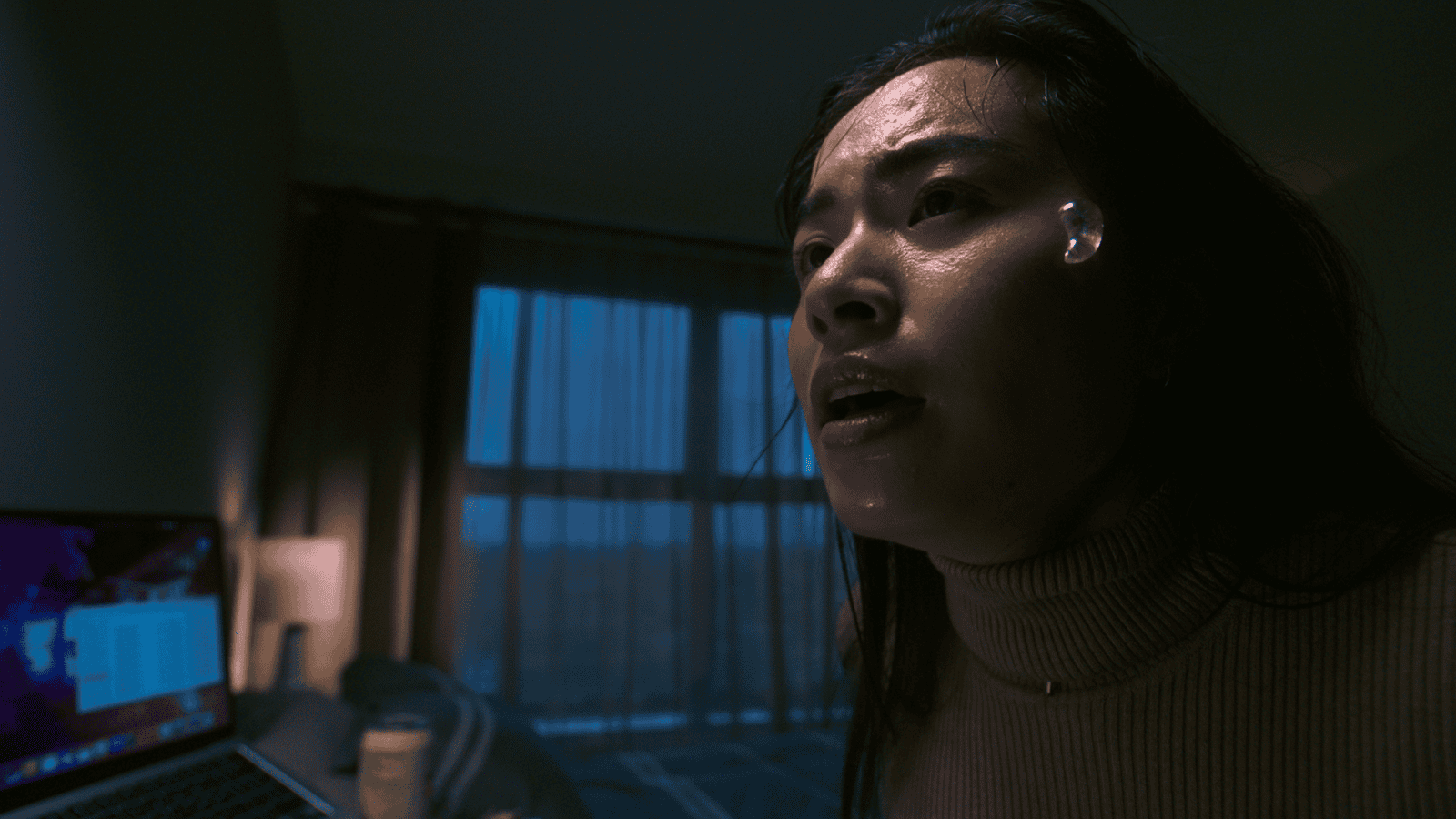
A particularly nuanced aspect of "Reclaiming Dragons" is its portrayal of the virtual world. Crucially, the film "refrains from presenting the virtual world as a straightforward addiction." Instead, it is depicted as a "viable form of escape, even a necessary one," especially when contrasted with the "bleakness of Ami’s reality." This perspective offers a sophisticated departure from conventional narratives that often demonize digital immersion. In an era where mental health challenges are on the rise and traditional support systems may feel inadequate, virtual spaces can indeed provide temporary or even sustained relief from real-world pressures. For individuals experiencing profound isolation, discrimination, and a lack of agency, a digital sanctuary can offer a sense of control, belonging, and self-expression that is otherwise unavailable.
This thematic exploration carries profound "contemporary relevance," drawing parallels with other works that delve into the psychological dimensions of digital escapism. The mention of "Replica," a documentary by Chouwa Liang, suggests a broader cinematic conversation about the increasing blurring of lines between physical and digital existence. Works like "Replica" often explore how individuals find identity, community, and purpose within online ecosystems, questioning the traditional dichotomy between "real" and "virtual" life. "Reclaiming Dragons" contributes to this discourse by positing that for some, particularly those marginalized or disaffected, virtual realities are not merely diversions but essential psychological coping mechanisms. The film’s "ambiguous ending" further reinforces the unsettling plausibility and the profound implications of such a choice for the current generation, leaving viewers to ponder the true cost and benefit of seeking solace in synthetic worlds. This ambiguity invites reflection on societal failures that might push individuals towards such extreme forms of escape, rather than simply labeling the escape itself as problematic.
Crafting the Visual Narrative: A Masterclass in Contrast and Flow
Visually, "Reclaiming Dragons" stands out as a triumph of cinematic craftsmanship, showcasing a "strong visual sensibility" from Yeung Xiang Yu and her collaborative team. The film is distinguished by its "striking contrasts and gradual tonal shifts," which are integral to conveying Ami’s emotional and psychological journey. The initial digital environment, with its "playful and colorful" aesthetic, gradually evolves into something "darker and more ominous" with the introduction of the alter ego. This visual transformation mirrors Ami’s deepening immersion and the increasing complexity of her internal world, suggesting that even a sanctuary can harbor shadows. The film’s aesthetic intelligence is further highlighted by how these evolving visual palettes "eventually bleed into reality itself," symbolizing the collapsing boundaries between Ami’s two existences.
The seamless "transitions between these spaces are handled with remarkable fluidity," a testament to the meticulous work of cinematographer Lawrence Lee Kalkman and editor Richelle van Loon. Kalkman’s precise composition not only captures the stark differences between Ami’s sterile office life and her vibrant virtual escape but also subtly hints at the underlying connections between them. His use of light, color, and framing effectively conveys mood and character perspective, guiding the audience through Ami’s fragmented reality. Van Loon’s masterful editing ensures that the narrative flow is both dynamic and emotionally resonant. The rhythmic pacing of the cuts, the deliberate juxtapositions, and the smooth transitions are cited as "some of the film’s most accomplished aspects," demonstrating how technical precision can elevate storytelling. This synergy between cinematography and editing is crucial for a film that relies so heavily on the interplay of contrasting worlds, making the journey feel both immediate and psychologically profound.
A Powerful Lead Performance: Jun Jun Liang’s Dual Role
At the heart of "Reclaiming Dragons" is the compelling performance by Jun Jun Liang, who anchors the film with her nuanced portrayal of Ami in a "dual role." Her ability to inhabit both the subdued, alienated Ami of the real world and the more empowered, fantastical alter ego in the virtual realm is critical to the film’s success. Liang’s performance "captures the differing mental states of the two personas" with conviction, allowing audiences to understand the profound emotional disparity between Ami’s internal and external lives. This duality is not merely superficial; Liang imbues each persona with distinct mannerisms, vocal inflections, and emotional registers, making the contrast believable and impactful.
Her skill in navigating these complex contrasts "adds emotional weight to the narrative," transforming what could be a purely conceptual exploration into a deeply human story. Viewers are drawn into Ami’s internal conflict, empathizing with her struggles for identity, autonomy, and fulfillment. The subtle shifts in her expressions, particularly as the boundaries between her worlds begin to dissolve, convey a powerful sense of psychological transformation. The review specifically highlights "her final expression" as one of the "most memorable moments of the piece," suggesting a climactic visual and emotional impact that encapsulates the film’s core themes. This singular image, conveyed through Liang’s performance, likely leaves a lasting impression, prompting audiences to reflect on the nature of reality, self, and escape.
Looking Ahead: Implications for Contemporary Cinema and Beyond
Ultimately, "Reclaiming Dragons" emerges as a "highly accomplished short" that unequivocally showcases "Yeung Xiang Yu’s strong visual sensibility and thematic clarity." Her directorial debut is not merely a technical showcase but a deeply resonant work that addresses pertinent issues of our time. By "merging science fiction with personal and cultural commentary," she crafts a narrative that is both "timely and thought-provoking." The film’s exploration of the Chinese diaspora experience, particularly the challenges of integration, cultural disconnection, and systemic marginalization in Europe, adds a vital voice to the growing body of cinema that seeks to represent diverse global narratives.
The nuanced portrayal of virtual reality as a legitimate, even necessary, escape rather than a mere addiction, positions "Reclaiming Dragons" at the forefront of contemporary discussions about technology, mental health, and the evolving nature of human connection. This perspective offers a crucial counter-narrative, inviting audiences to consider the systemic factors that might drive individuals towards digital sanctuaries.
As a filmmaker, Yeung Xiang Yu is undoubtedly "a filmmaker to watch." Her ability to weave together complex themes with sophisticated visual storytelling marks her as a significant new talent in the European independent cinema scene. "Reclaiming Dragons" serves as a powerful indicator of her potential to contribute meaningful and challenging works to the cinematic canon, works that not only entertain but also ignite critical conversations about identity, technology, and the human condition in an increasingly globalized and digitalized world. The film’s presence at CinemAsia 2026 suggests its immediate recognition within festivals focused on Asian diaspora narratives and innovative storytelling, further solidifying its cultural and artistic importance.